Water feels permanent. Rivers keep moving, rain keeps falling, and the tap keeps running. It’s easy to assume that water will always be there, clean and ready to use. Yet the quality of that water can change dramatically depending on what’s happening around it.
From agricultural runoff and industrial waste to aging infrastructure and naturally occurring substances, there are many ways unwanted materials can enter water supplies. Some problems are obvious, while others remain invisible until testing reveals them.
Understanding the causes of water pollution isn’t only an environmental issue. It also helps homeowners, communities, and businesses think more carefully about how water is monitored, treated, and protected.
Where Water Pollution Comes From
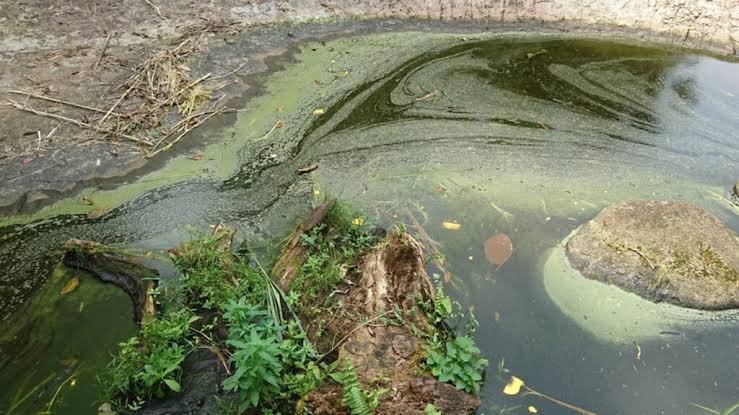
Pollution can enter water through many different pathways. Industrial facilities may release chemicals or waste into waterways when controls fail. Agriculture can introduce fertilizers, pesticides, and animal waste into streams and groundwater. Urban areas contribute runoff from roads, parking lots, construction sites, and other surfaces.
Related readingBetter Water Starts With Knowing What’s Actually in It
Even ordinary household activities can play a role. Cleaning chemicals, oils, pharmaceuticals, and improperly disposed products may eventually reach wastewater systems or natural waterways.
Rain makes the situation more complicated. As it moves across the ground, it can pick up contaminants and carry them toward drains, rivers, lakes, and groundwater.
Not every source creates the same kind of problem, of course. That’s why water-quality monitoring needs to look at local conditions rather than relying on one universal checklist.
Related readingMaking Sense of Well Water Issues and Finding the Right Solution for Your Home
Why Clean Water Can Still Contain Invisible Problems
One of the most frustrating things about water quality is that appearance isn’t always a reliable guide.
Water can look perfectly clear while containing dissolved chemicals or microscopic organisms. A strange smell or cloudy appearance may provide a clue, but the absence of those signs doesn’t guarantee that everything is fine.
This is especially important for private wells. Groundwater can pick up minerals and other substances as it moves through soil and rock. Nearby agriculture, septic systems, flooding, and changes in land use may also influence groundwater quality.
Related readingWhy Knowing What’s in Your Water Matters More Than You Think
Testing provides information that your eyes simply can’t provide.
The Role of Microorganisms in Water Quality
Not all microorganisms are harmful. In fact, many microorganisms are naturally present in the environment and play important roles in ecosystems.
The concern arises when water contains disease-causing microorganisms. Certain bacteria, viruses, and parasites can enter water through sewage, animal waste, flooding, or damaged infrastructure.
Private wells can be particularly vulnerable after heavy rainfall or flooding because contaminants from the surrounding environment may reach groundwater.
Water disinfection methods such as chlorination and ultraviolet treatment can help control microorganisms when properly designed and maintained. Filtration may also play an important role, depending on the specific water-quality problem.
Related readingWhy Carbon Filtration Has Become a Trusted Choice for Better-Tasting, Cleaner Water
The key is knowing what you’re dealing with before choosing treatment.
Nitrates and Groundwater
Nitrates are another water-quality concern, especially in areas with significant agricultural activity.
Fertilizers and animal waste can introduce nitrogen compounds into soil. Under certain conditions, nitrates can move downward and reach groundwater. Septic systems can also contribute to nitrate contamination when they aren’t properly designed, maintained, or located.
One reason nitrate contamination deserves attention is that it may not change the appearance, smell, or taste of water. A household can therefore have water that looks completely normal while testing reveals elevated nitrate levels.
This is a good example of why relying on your senses alone isn’t enough.
If testing identifies elevated nitrates, the appropriate treatment should be selected based on the concentration and the household’s water needs. Simply boiling water isn’t a reliable solution for nitrate contamination.
Related readingWhat Your Water Might Be Telling You: The Importance of Testing Before Choosing a Treatment Solution
Why Private Wells Need Regular Monitoring
Owning a private well provides independence, but it also comes with responsibility.
Municipal water systems generally have established monitoring and treatment processes. With a private well, the homeowner is responsible for understanding and maintaining the water supply.
Regular testing can establish a baseline for the household. If results change significantly later, you have something to compare against.
Testing may also be sensible after flooding, major repairs, well construction, nearby excavation, or noticeable changes in taste, odor, or appearance.
The goal isn’t to worry about every possible contaminant. It’s simply to stay informed.
How Water Treatment Can Help
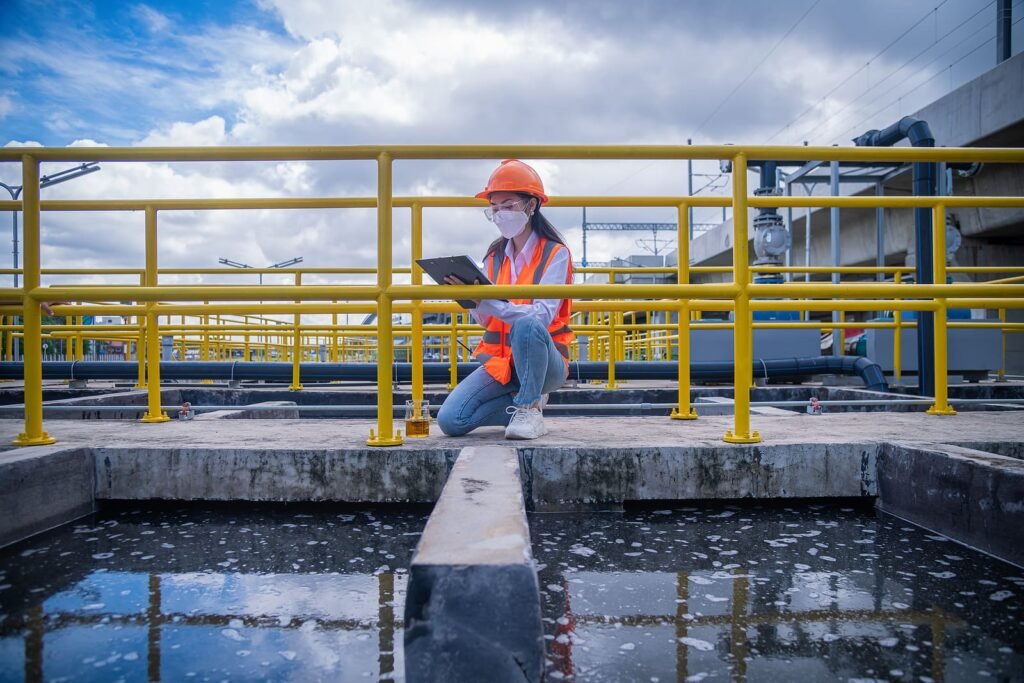
Water treatment is most effective when it’s based on actual test results.
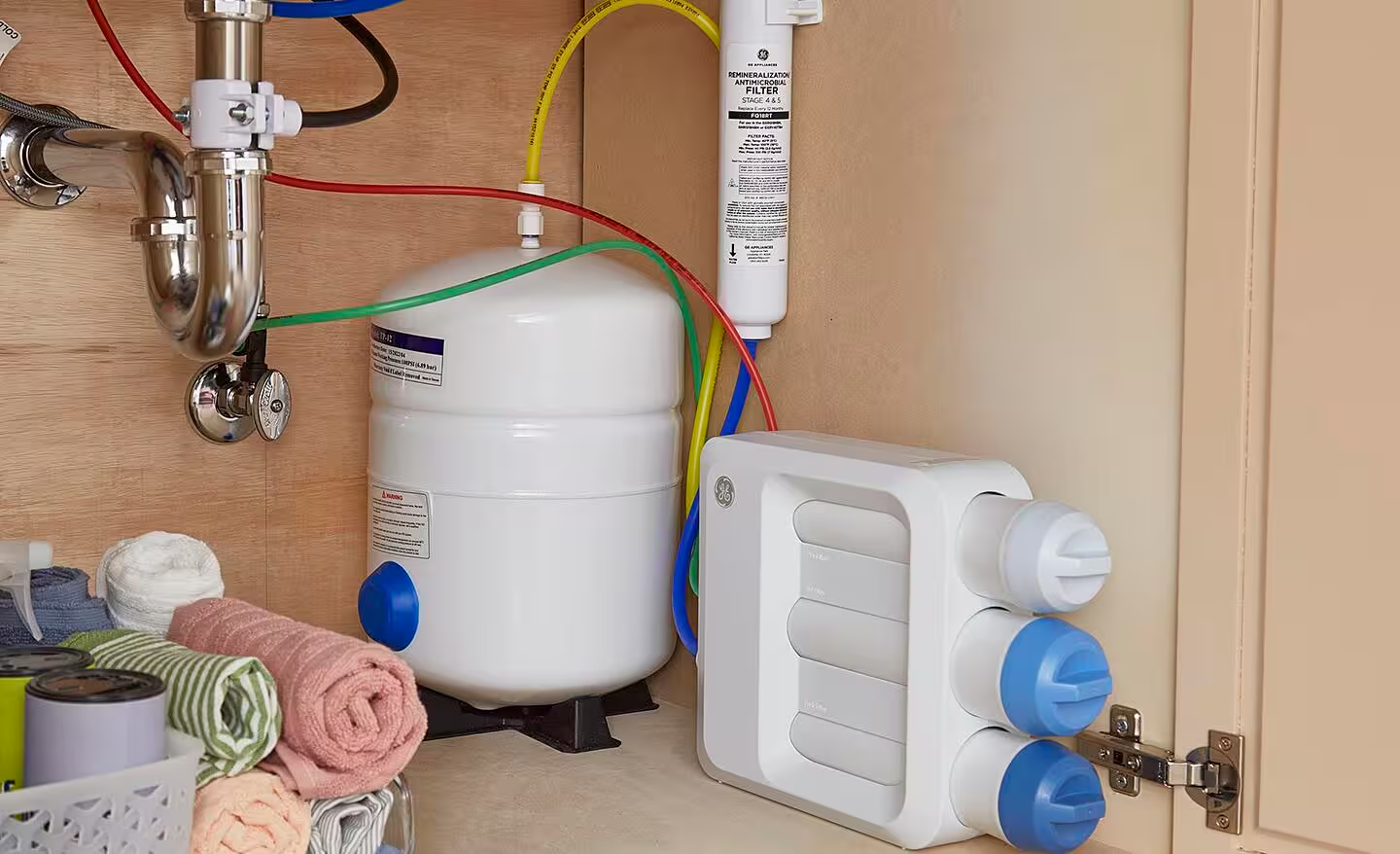
Sediment filters can help remove suspended particles. Activated carbon can improve taste and reduce certain compounds. Water softeners are designed primarily for hardness, while reverse osmosis can reduce many dissolved substances at a point of use.
For microbial concerns, ultraviolet systems or properly managed chemical disinfection may be considered.
No single technology does everything.
That’s why professional water testing can be valuable. Instead of buying equipment based on a general promise, homeowners can select treatment that matches their specific water chemistry.
Protecting Water Before It Becomes a Problem
Treatment is important, but prevention matters too.
Communities can reduce pollution by protecting groundwater recharge areas, managing agricultural runoff, maintaining wastewater infrastructure, and disposing of chemicals responsibly.
Homeowners can help by maintaining septic systems, keeping hazardous substances away from wells, and ensuring that well caps and surrounding areas are properly maintained.
Small decisions don’t seem significant on their own. Collectively, though, they can have a real effect on local water quality.
Don’t Ignore Changes in Your Water
Sometimes the first sign of a water-quality problem is surprisingly ordinary.
A metallic taste. A sudden odor. Cloudiness after a storm. Staining that wasn’t there before. These changes don’t automatically mean the water is dangerous, but they are worth investigating.
Instead of immediately purchasing a filtration system, consider testing first. A reliable test can help distinguish between an aesthetic issue and something that requires more serious attention.
It’s a much more sensible way to spend money—and it gives you useful information.
A Shared Responsibility
Clean water isn’t created by one filter, one treatment plant, or one household. It depends on how communities manage land, waste, agriculture, infrastructure, and natural resources.
For individuals, the first step is simply paying attention.
Understand your water source. Test it when appropriate. Learn what the results mean. Maintain treatment equipment properly and take reasonable steps to protect the area around your water supply.
Water may seem ordinary because it’s part of almost every moment of the day. But its quality has a quiet influence on health, comfort, agriculture, ecosystems, and daily life.
Looking after it isn’t about becoming an expert overnight. It’s about making informed choices and recognizing that clean, dependable water is something worth protecting long before a problem becomes impossible to ignore.