Water is one of those things we rarely stop to think about until something feels off. Maybe the tap water starts tasting metallic, leaves white spots on your dishes, or carries an odd smell after a heavy rain. Most of us simply assume that if water is running from the faucet, it must be perfectly safe. But that’s not always the whole story.
The truth is, water can change over time. Aging pipes, seasonal conditions, local groundwater, and even home plumbing systems all influence what eventually reaches your glass. While many contaminants aren’t visible to the naked eye, they can still affect taste, appliances, and in some cases, long-term health. That’s why understanding your home’s water isn’t about fear—it’s about making informed decisions.
Why Every Home Has Different Water
It’s easy to believe that everyone in the same neighborhood has identical water, but that’s rarely the case. Two houses on the same street can experience completely different issues depending on pipe materials, plumbing age, or water pressure.
Related readingBetter Water Starts With Knowing What’s Actually in It
For example, one family might struggle with hard water that leaves mineral deposits everywhere, while another deals with iron staining in sinks and bathtubs. Someone living on well water may notice sulfur odors, whereas municipal water users might experience chlorine taste during seasonal treatment adjustments.
That’s why general assumptions rarely tell the full story.
Small Signs That Often Get Ignored
Many homeowners learn to live with minor water issues because they don’t seem serious enough to investigate. After all, if you’ve lived with hard water for years, it starts feeling normal.
Some common warning signs include:
- White scale on faucets and showerheads
- Soap that doesn’t lather easily
- Dry skin after bathing
- Rust-colored stains
- Unpleasant taste or odor
- Cloudy drinking water
- Appliances needing frequent maintenance
These symptoms don’t automatically indicate dangerous contamination, but they do suggest your water deserves a closer look.
Related readingWhat Your Water Might Be Telling You: The Importance of Testing Before Choosing a Treatment Solution
The Value of Understanding Your Water
One of the smartest first steps is arranging free water testing through a trusted local provider. A professional analysis helps identify common issues like hardness, iron, pH imbalance, sediment, or other minerals that affect everyday life.
Instead of purchasing expensive equipment based on advertisements or assumptions, homeowners receive actual information about what’s flowing through their plumbing system. That makes every future decision far more practical.
It’s a bit like getting a health checkup. You don’t take medication before knowing what’s wrong—you gather information first.
Water Problems Aren’t Always About Safety
People often assume that water testing only matters when there’s a health concern. In reality, many water issues simply affect comfort, efficiency, and household costs.
Related readingBetter Water Throughout the Home Starts Before the Faucet
Hard water, for instance, slowly reduces appliance efficiency. Mineral buildup inside water heaters makes them work harder, increasing energy bills over time. Washing machines, coffee makers, dishwashers, and even showerheads wear out faster when minerals accumulate year after year.
Likewise, water with excess iron may stain clothing and fixtures without necessarily creating immediate health concerns.
Understanding these differences helps homeowners focus on practical solutions instead of unnecessary worry.
Related readingWhat You Should Know About Whole-Home Water Filtration
Why a Professional Evaluation Makes Sense
Many DIY testing kits available online offer basic readings, but they often provide only limited information. Results can also be confusing without experience interpreting them.
Scheduling a free water test performed by experienced professionals usually offers a much clearer picture. Beyond measuring common contaminants and mineral levels, experts can explain what the results actually mean for your household.
More importantly, they can distinguish between problems that truly require treatment and issues that are largely cosmetic.
That kind of guidance prevents homeowners from investing in filtration systems they simply don’t need.
Related readingA Practical Guide to Better Water Without Overspending
How Better Water Improves Daily Life
Improving household water isn’t always about dramatic changes. Sometimes the benefits appear gradually in everyday routines.
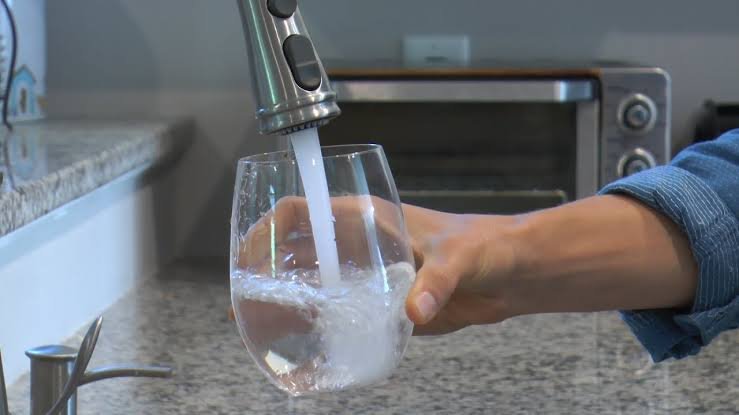
Many families notice softer laundry, cleaner dishes, brighter fixtures, smoother skin after showers, and better-tasting drinking water. Coffee and tea often taste richer because minerals no longer interfere with flavor.
Children may even drink more water naturally when it tastes fresh instead of carrying unpleasant odors or aftertastes.
Then there are the quieter advantages—water heaters lasting longer, plumbing staying cleaner, and fewer repair bills over the years.
Those savings often go unnoticed until homeowners compare maintenance costs before and after addressing their water concerns.
Choosing Solutions That Actually Fit Your Home
No single filtration system works for everyone.
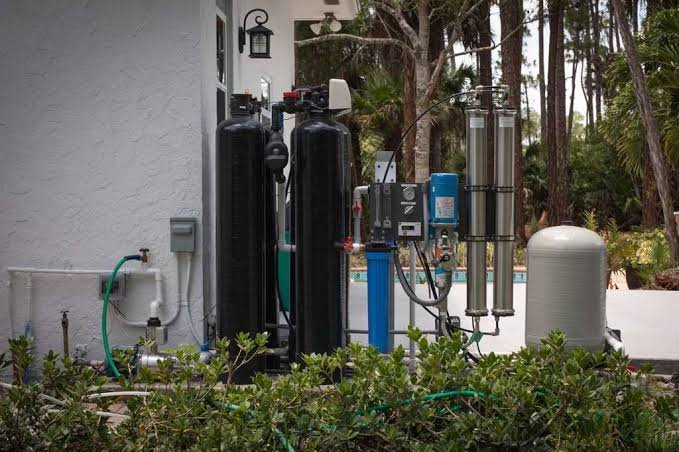
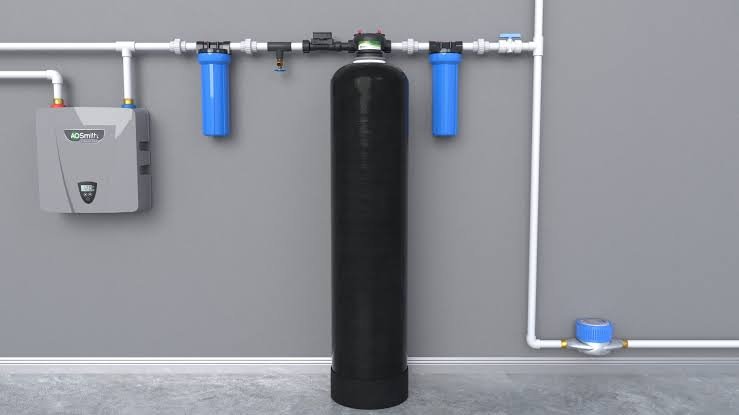
Some households benefit most from water softeners that reduce hardness. Others need reverse osmosis systems for drinking water. Homes with well water may require iron filters, sediment filtration, UV purification, or sulfur removal equipment.
The important thing is matching the solution to the actual problem rather than buying the newest product on the market.
A customized approach almost always performs better than a one-size-fits-all system.
Why Regular Testing Still Matters
Water conditions aren’t permanent.
Seasonal rainfall, municipal treatment updates, construction work, aging infrastructure, and changes in groundwater can all influence household water over time. Even if previous results looked excellent, periodic testing ensures nothing significant has changed.
Think of it like servicing your car. Regular checkups help catch small problems before they become expensive ones.
Monitoring your home’s water quality every few years provides peace of mind while helping maintain both health and household efficiency.
A Better Understanding Leads to Better Decisions
One of the biggest misconceptions about water treatment is that every home needs expensive equipment. In reality, some homes need very little, while others benefit greatly from targeted improvements.
The difference comes from knowing the facts.
Testing removes the guesswork. It replaces assumptions with real information, helping homeowners choose solutions based on evidence instead of marketing claims or online opinions.
That confidence matters.
After all, water touches nearly every part of daily life—from cooking breakfast and making coffee to bathing children and washing clothes. Something we rely on every single day deserves at least a little attention.
Final Thoughts
Clean, dependable water is something many of us take for granted until we notice stains, strange tastes, or appliance problems. Fortunately, understanding what’s happening doesn’t have to be complicated.
Starting with a professional evaluation provides valuable insight without unnecessary pressure or confusion. Once you know exactly what’s in your home’s water, every decision becomes easier—whether that’s making improvements, maintaining your current system, or simply enjoying the reassurance that everything is working as it should.
At the end of the day, better water isn’t only about cleaner glasses or shinier fixtures. It’s about confidence. Knowing that the water your family uses every day supports a healthier, more comfortable home is a simple investment that continues paying off long after the test is complete.