Most of us don’t think twice about the water coming out of the tap until it starts causing trouble. Maybe the shower leaves a chalky film on the glass, the faucet develops white crust around its edges, or freshly washed dishes somehow look less clean than they did before. It’s one of those household annoyances that creeps up slowly.
Often, the culprit is hard water. It isn’t usually something you notice in a single day. Instead, minerals gradually build up around fixtures, inside appliances, and even on laundry. Once you start seeing the signs, though, it’s natural to wonder whether a water softener or filter is worth the investment.
The answer can be yes—but only if you choose a system based on your actual water needs rather than buying the most expensive option available.
Related readingBetter Water Starts With Knowing What’s Actually in It
What Hard Water Really Means
Hard water contains higher levels of naturally occurring minerals, primarily calcium and magnesium. These minerals aren’t necessarily visible when you pour a glass, but their effects can become obvious over time.
You might notice spots on dishes, soap that doesn’t rinse away easily, stiff laundry, or scale around showerheads. Water heaters can also develop mineral buildup, which may affect efficiency.
For some homeowners, the issue is mainly cosmetic. For others, persistent scale becomes a maintenance headache.
Before choosing treatment, it’s smart to have your water tested. Knowing the hardness level gives you a much better idea of what kind of system and capacity you actually need.
Related readingWhy Better Water at Home Is One Upgrade You’ll Appreciate Every Single Day
Softening and Filtering Are Different Jobs
One common misconception is that every water treatment system does the same thing. It doesn’t.
A water softener is primarily designed to reduce hardness by removing or exchanging calcium and magnesium ions. A filter, depending on its design, may target sediment, chlorine, odors, iron, or other specific substances.
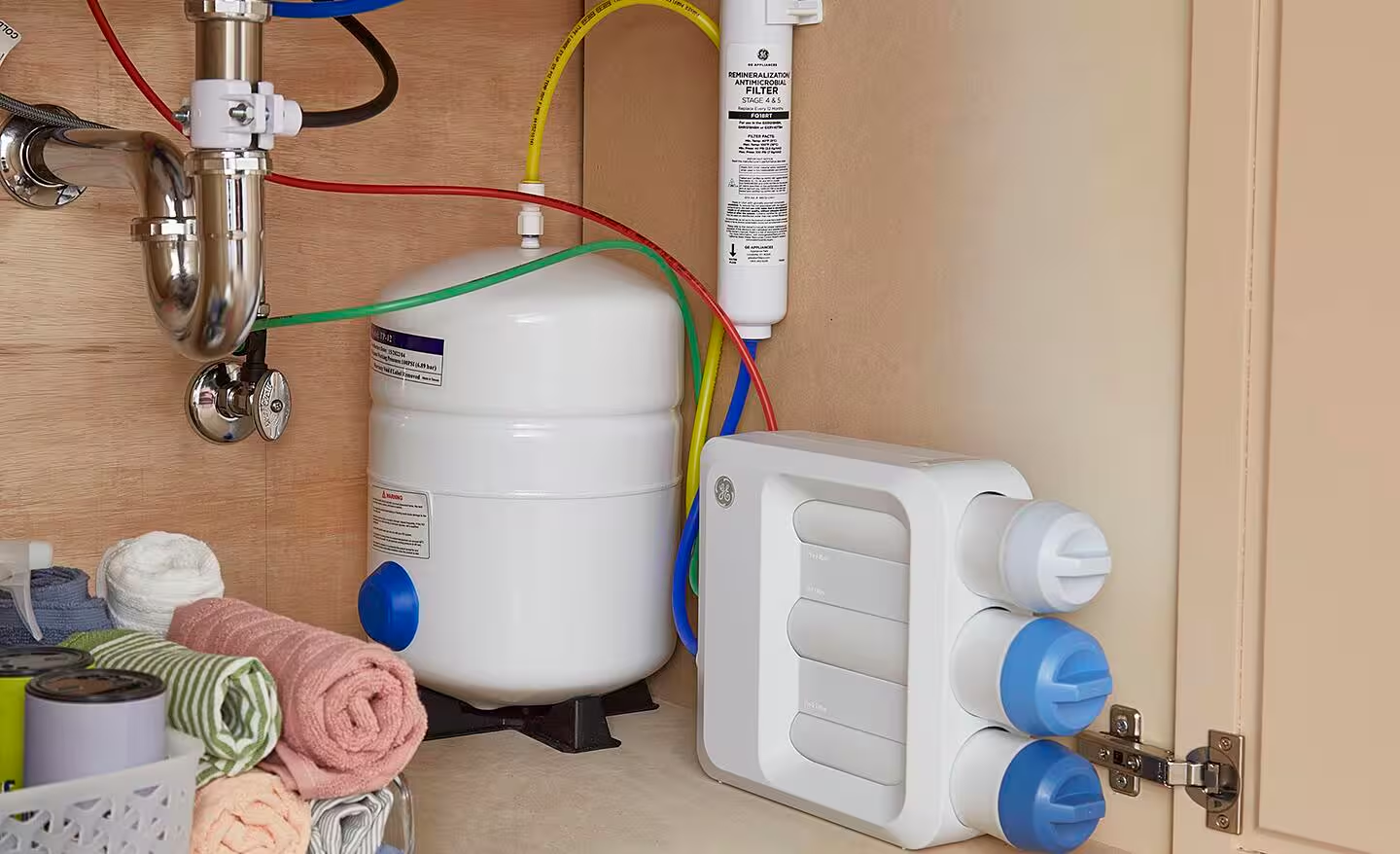
That’s why water softeners and filter systems can sometimes work well together. One handles hardness while another addresses a separate water-quality concern.
For example, imagine your water leaves scale on the shower and has an unpleasant chlorine taste. A softener can help with the scale, while an appropriate carbon filter may improve taste and odor.
Related readingBetter Water Throughout the Home Starts Before the Faucet
There’s no need to force one piece of equipment to do two completely different jobs.
Why Testing Should Come First
Shopping for water treatment equipment without testing your water is a little like buying medicine without knowing what’s wrong.
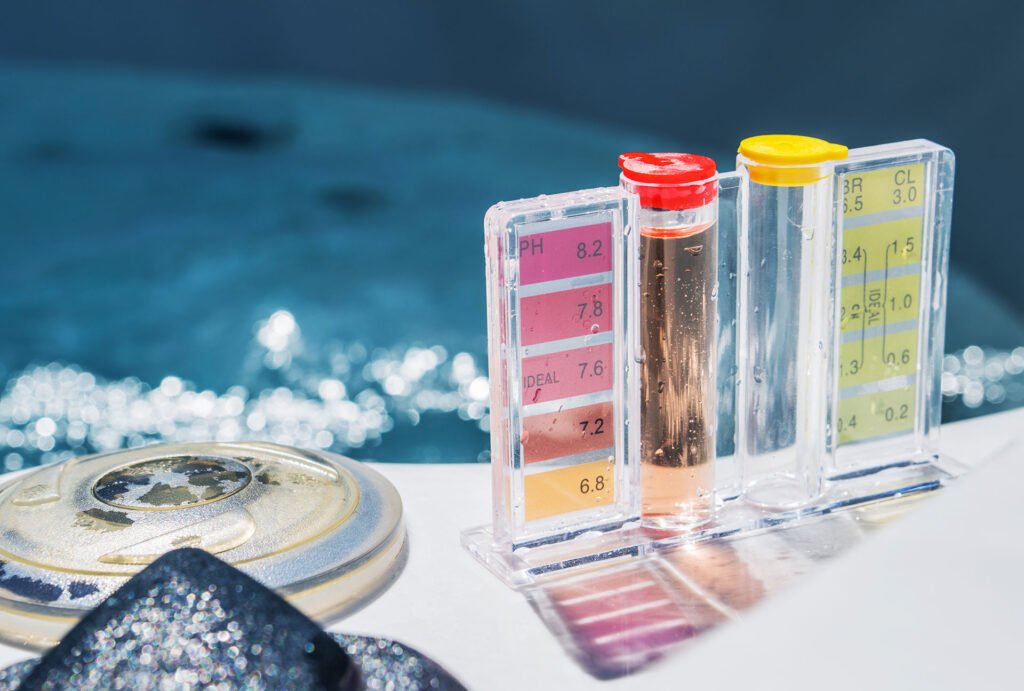
A water test can reveal hardness, pH, iron, manganese, chlorine, sediment, total dissolved solids, and other characteristics depending on the test. Private well owners may need more extensive testing because groundwater conditions can vary considerably.
Related readingWhat You Should Know About Whole-Home Water Filtration
Once you know the results, you can compare systems based on what they are actually designed to treat.
Testing can also prevent over-treatment. You may discover that your water doesn’t need an elaborate multi-stage setup at all. Sometimes a straightforward solution is enough.
Finding a Budget-Friendly Option
Water treatment doesn’t have to become a huge household expense.
Related readingHard Water Is Quietly Making Your Home Work Harder
There are budget-friendly water softeners available for homeowners who need basic hardness control without paying for features they don’t need. The key is to compare more than the initial purchase price.
Look at:
- System capacity
- Installation costs
- Salt or other consumables
- Filter replacement expenses
- Electricity usage
- Maintenance requirements
- Warranty coverage
- Expected equipment lifespan
A cheap system that needs frequent repairs may cost more over several years than a moderately priced system with reliable components.
At the same time, you don’t necessarily need a premium system just because it has a long list of features. If your household has modest water usage, a simpler system may be perfectly adequate.
Consider Your Household’s Water Usage
Sizing is one of the most overlooked parts of choosing a softener.
A small household with one bathroom doesn’t have the same water demands as a family with multiple bathrooms, frequent laundry, and several people showering around the same time.
If a system is undersized, it may struggle during high-demand periods. If it’s dramatically oversized, you may spend more than necessary.
Ask about flow rate and capacity before making a decision. A good installer should be able to explain how the system was sized for your household instead of simply recommending the largest available model.
Whole-Home Treatment Can Be Worth It
If your main issue affects the entire property, point-of-use treatment may not be enough.
A whole-house softener treats water as it enters the home. This means the water used for bathing, laundry, cleaning, and appliances receives the same hardness treatment.
That can be particularly helpful if scale is appearing throughout the house.
However, if your concern is only drinking-water taste or a specific contaminant, a smaller point-of-use filter may make more sense.
Think about where the problem occurs before deciding where to install treatment equipment. It sounds obvious, but it’s surprisingly easy to overlook.
Don’t Forget About Appliance Protection
Mineral buildup doesn’t only make fixtures look untidy. It can also affect water-using appliances.
Water heaters, dishwashers, washing machines, and coffee makers all interact with your home’s water supply. Excessive hardness can contribute to scale accumulation over time.
Reducing hardness may help these appliances operate more efficiently and can potentially reduce maintenance related to mineral buildup.
That doesn’t mean a softener will magically double the life of every appliance. Usage, maintenance, equipment quality, and other factors still matter. But managing excessive hardness is one practical step toward protecting your plumbing and appliances.
Maintenance Is Part of the Investment
Even an affordable system requires some attention.
Salt-based softeners need appropriate salt levels, while filters require periodic cartridge replacement. Some systems need professional inspection or cleaning.
Before purchasing, ask what routine maintenance actually looks like. Find out how often parts need replacing and what those parts cost.
A system that’s easy to maintain is more likely to be maintained. That’s worth remembering.
There’s little value in owning excellent equipment if it sits neglected because servicing it is too complicated or expensive.
Choose Value, Not Just a Low Price
The smartest water treatment purchase isn’t necessarily the cheapest one. It’s the one that provides useful performance without creating unnecessary long-term costs.
Start with a water test. Understand your household’s usage. Decide whether you need softening, filtration, or both. Then compare systems based on capacity, maintenance, operating costs, and warranty protection.
Don’t be pressured into buying more equipment than your water requires.
Good water treatment should make life simpler. Less scale on the shower, fewer spots on dishes, cleaner-feeling laundry, and better-performing appliances are practical benefits you can actually notice.
In the end, that’s what makes a water treatment investment worthwhile—not how impressive the equipment looks in a brochure, but how quietly it improves everyday life once it’s installed.