There’s something easy to take for granted at home: turning on the tap and expecting the water to be clean, clear, and pleasant to use. Most of us don’t think twice about it. We fill a glass, make coffee, wash vegetables, take a shower, and get on with the day.
But water quality can be more complicated than it looks.
Water may appear perfectly clear while still containing minerals, disinfectants, metals, sediment, or other unwanted substances. Strange tastes, dry skin, cloudy glasses, stains around fixtures, or an unpleasant odor can sometimes be clues that your water needs a closer look.
That doesn’t necessarily mean there’s a serious problem. It simply means guessing isn’t the best way to understand what’s happening. A proper assessment can tell you much more than appearance alone.
Related readingBetter Water Starts With Knowing What’s Actually in It
Start With Knowing What’s Actually in Your Water
One of the smartest first steps for any homeowner is testing the water before investing in a treatment system. Otherwise, it’s a little like buying medicine without knowing what’s wrong.
A free water quality analysis can provide useful information about the condition of your water and help identify common concerns. Depending on the source and the type of assessment, testing may look at factors such as hardness, pH, dissolved minerals, sediment, and certain contaminants.
This matters because water problems aren’t identical from one home to another. A house supplied by municipal water may have different concerns from a property using a private well. Even neighboring homes can experience different plumbing-related issues.
The goal isn’t to make water treatment sound complicated. Quite the opposite. Good testing should make the situation easier to understand.
Related readingWhat You Should Know About Whole-Home Water Filtration
Why Water Can Taste or Smell Different
Have you ever poured yourself a glass of water and thought, “That tastes…different”?
Taste and odor are among the first things people notice. Sometimes the reason is harmless and temporary. Other times, it can point toward something worth investigating.
Municipal water systems commonly use disinfectants to help control harmful microorganisms. One of the best-known is chlorine. While it plays an important role in water disinfection, some people dislike its noticeable taste or smell, particularly when it becomes more pronounced in drinking water.
Water can also pick up odors or tastes as it travels through household plumbing. Older pipes, stagnant water, certain minerals, and organic material can all influence what comes out of a faucet.
Related readingBetter Water Throughout the Home Starts Before the Faucet
This is why simply masking an odor with a filter isn’t always the best approach. First, understand the source. Then choose treatment that actually addresses it.
Hard Water Is More Than a Nuisance
Hard water is another common issue, especially in areas where groundwater contains higher concentrations of calcium and magnesium.
You might recognize it by the white spots left on faucets or shower doors. Maybe soap doesn’t seem to rinse away properly. Perhaps the showerhead develops a crusty layer that gets worse over time.
Related readingWhy Carbon Filtration Has Become a Trusted Choice for Better-Tasting, Cleaner Water
These are classic signs of mineral buildup.
Hard water usually isn’t something people notice immediately after moving into a home. It tends to reveal itself gradually. Your dishes may become dull. Towels can feel rougher. Appliances that use water may accumulate scale inside their components.
A water softener can help reduce hardness by treating the minerals responsible for many of these effects. But again, testing first makes sense. There’s no reason to install equipment designed for a problem your home doesn’t actually have.
What About Bromine and Other Chemicals?
People often hear about different water-treatment chemicals and wonder whether every chemical name they recognize should be a concern.
Related readingWhat Better Water Filtration Can Mean for Your Home
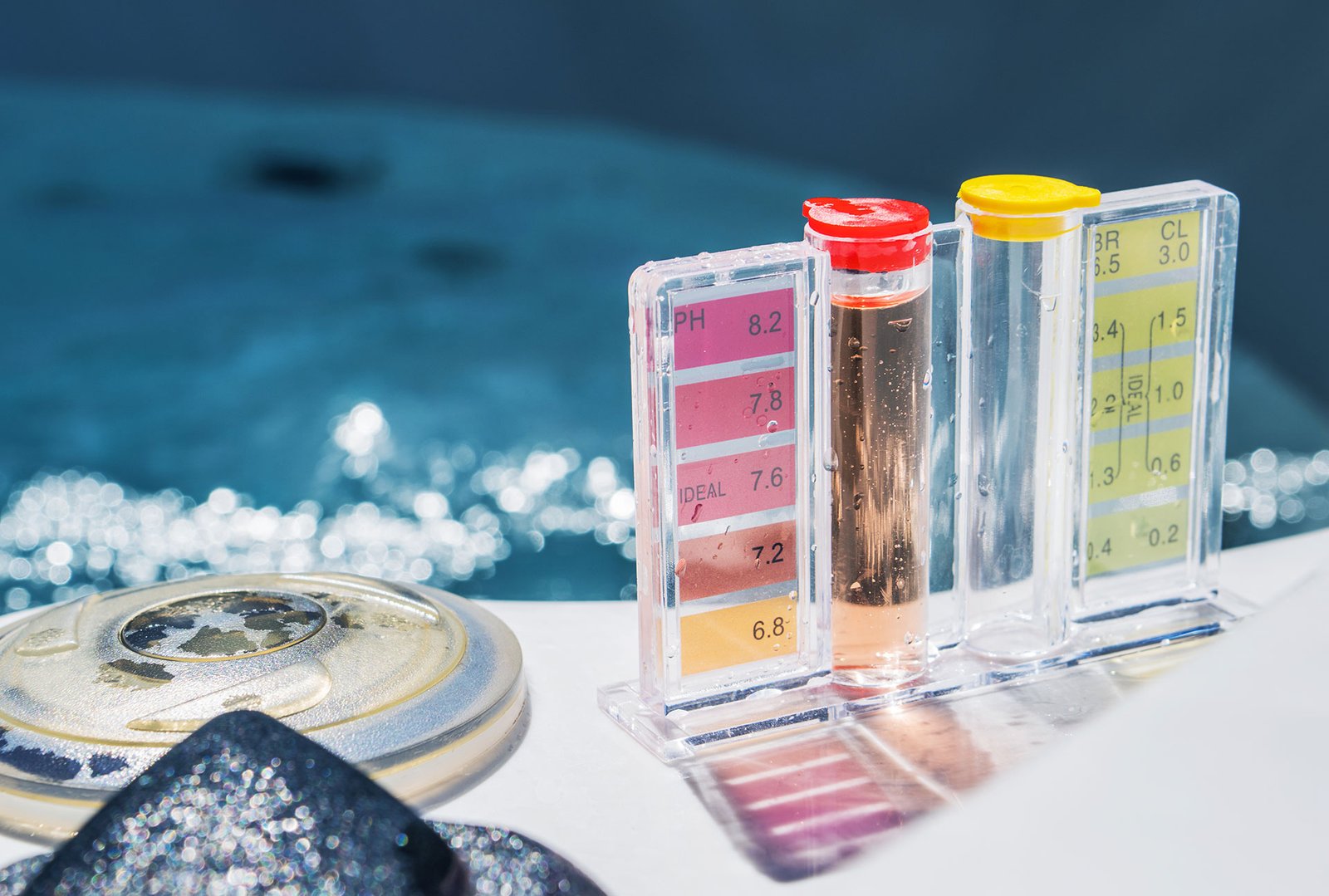
Bromine, for example, is commonly associated with swimming pools and spas, where it can be used as a disinfectant. Its role is different from the typical treatment approach used for household drinking water.
The larger lesson is that chemicals shouldn’t be judged simply by their names. Concentration, intended use, exposure, and the source of the water all matter.
This is also why online lists of “dangerous chemicals in water” can sometimes create unnecessary anxiety. A good water assessment puts things into context instead of treating every detected substance as an emergency.
For homeowners, the practical question is usually straightforward: What is present, at what level, and what treatment—if any—is appropriate?
Filters Aren’t One-Size-Fits-All
Walk into a store looking for a water filter and you’ll quickly discover that there are dozens of options. Pitcher filters, under-sink systems, whole-house filtration, reverse osmosis systems, sediment filters, carbon filters… it can become confusing fast.
The important thing to remember is that different technologies are designed for different purposes.
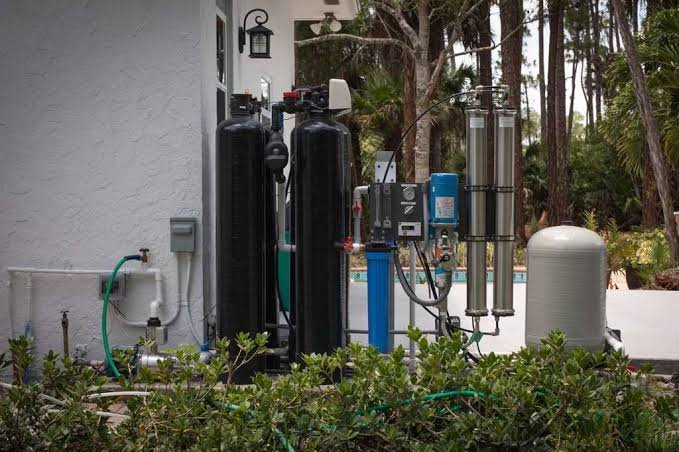
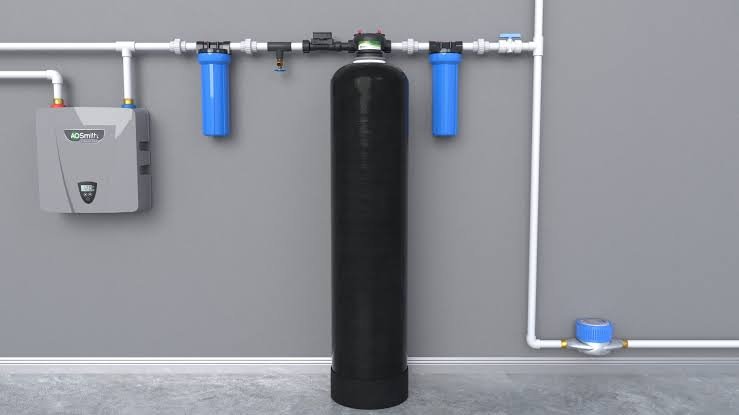
A sediment filter, for instance, can help capture suspended particles. Carbon filtration is often used to improve taste and reduce certain chemicals. Reverse osmosis can address a broader range of dissolved substances, depending on the specific system and membrane configuration.
Whole-home treatment makes sense when the goal is to improve water throughout the property, including showers, laundry, bathrooms, and kitchen fixtures. Point-of-use systems, on the other hand, may be more suitable when drinking and cooking water are the main concern.
More equipment doesn’t automatically mean better water. The right equipment is the equipment matched to the actual problem.
Your Water Source Changes the Conversation
Where your water comes from matters.
Municipal water is generally treated before it reaches your home, but the condition of that water can still be affected by distribution systems and household plumbing. Private well water is different because homeowners are responsible for monitoring and maintaining their own water supply.
Well water may contain naturally occurring minerals, sediment, iron, manganese, sulfur compounds, or other substances depending on local geology and environmental conditions.
That doesn’t mean every well has poor water. Plenty of private wells provide excellent water. It simply means regular testing is especially important because there isn’t a municipal utility monitoring the water for you in the same way.
If your water source changes, your testing and treatment strategy should change with it.
Don’t Ignore Small Changes
Water problems rarely arrive with a dramatic announcement.
More often, they’re noticed through little things: a new smell, changing taste, stains on laundry, reduced water pressure, cloudy water, or scale appearing faster than usual.
None of these symptoms automatically tells you exactly what’s wrong. But they are reasonable reasons to investigate.
It’s also worth paying attention after plumbing work, flooding, changes in your well, or other events that could affect the water supply. If several people in the household suddenly notice a change, that’s another good reason to have the water checked rather than simply getting used to it.
Sometimes the solution is as simple as replacing an old filter. Sometimes a more comprehensive treatment system is appropriate. And sometimes testing shows that no treatment is needed at all.
That last outcome is useful too.
A Better Approach to Water Treatment
The best water-treatment decisions usually follow a simple sequence: test, understand, then treat.
Start by learning what is actually in your water. Look at the source, consider what you’re noticing at home, and identify which concerns matter most to your household. From there, a qualified water professional can recommend an appropriate treatment approach.
It’s tempting to buy the most advanced-looking system on the market and hope for the best. But water treatment isn’t really about having the biggest setup under the sink or in the basement. It’s about solving the right problem.
Clean water should feel ordinary. You shouldn’t have to think about it every time you fill a glass.
And that’s really the point of understanding your water quality: not creating worry, but removing uncertainty. Once you know what your water needs, choosing the right solution becomes a whole lot simpler—and you can get back to using your tap without giving it a second thought.