Water is something most people use without giving it a second thought. You turn on the tap, fill a glass, take a shower, wash vegetables, and carry on with your day. But when the water starts tasting strange, leaving spots on dishes, or creating buildup around fixtures, it becomes hard to ignore.
For homeowners, understanding water quality is worth the effort. A good treatment setup can improve the way water tastes and feels while also helping protect plumbing and water-using appliances. The key, though, is choosing a solution based on what’s actually happening in your home.
Why Water Quality Can Vary
Water quality isn’t identical everywhere. Municipal supplies, private wells, local plumbing, and even the age of a home’s pipes can influence what comes out of a faucet.
Related readingBetter Water Starts With Knowing What’s Actually in It
Some households mainly struggle with hard water, while others notice chlorine taste, sediment, odors, or other concerns. These issues can also change over time, so something that wasn’t noticeable a few years ago may become obvious today.
That’s why testing your water is such a useful first step. Rather than guessing, you’ll have a clearer idea of which treatment method could actually help.
Why Whole-House Filtration Is Different
A filter attached to one kitchen faucet can be useful, particularly if your main concern is drinking water. But the rest of the home still receives the same incoming supply.
Related readingBetter Water Throughout the Home Starts Before the Faucet
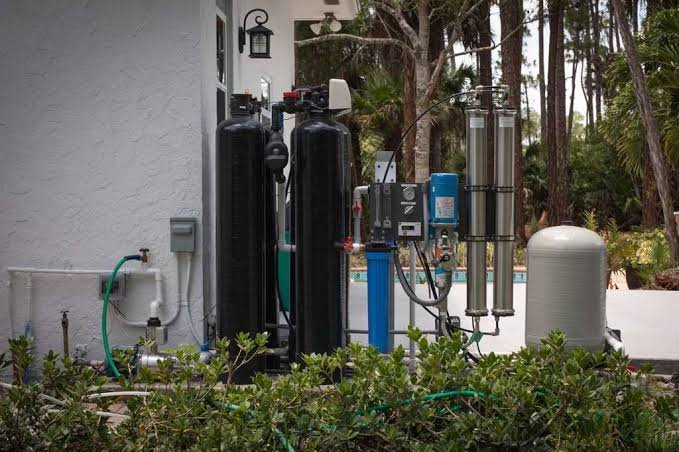
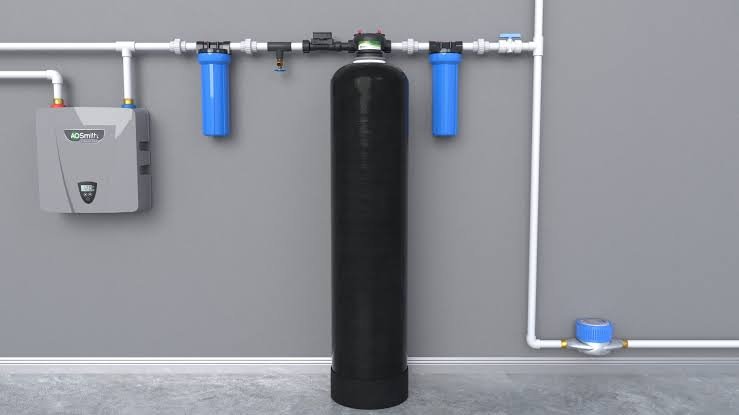
Whole House Filtration takes a broader approach by treating water as it enters the property. This means water used for showers, laundry, bathroom sinks, cooking, and other household tasks can pass through the treatment system.
That doesn’t mean every home automatically needs whole-house filtration. If your only concern is drinking-water taste, a point-of-use system may be enough. But when water-quality issues are noticeable throughout the house, treating the supply at one central point can be a more convenient option.
Understanding Harmful Contaminants
The phrase harmful contaminants can sound alarming, but it covers a wide range of substances and water-quality concerns. Some may affect taste or appearance, while others can require more specialized treatment.
The important thing is not to assume that a particular filter removes everything. Different technologies are designed for different purposes. Sediment filters can target particles, activated carbon can help with certain tastes and odors, and reverse osmosis can provide more intensive treatment for drinking water.
If you’re concerned about a specific contaminant, test for it first and choose equipment certified or specifically designed to address that issue. This is much more reliable than buying a system based on a long list of vague claims.
Related readingWhy Carbon Filtration Has Become a Trusted Choice for Better-Tasting, Cleaner Water
What Municipal Water Means for Homeowners
People often assume that water supplied by a city is automatically perfect once it reaches their home. In reality, treatment at the municipal level and water quality at the household tap aren’t always exactly the same thing.
Your city’s municipal water may be treated before distribution, but water still travels through miles of pipes before reaching individual properties. Once inside the home, household plumbing can also influence water quality.
This doesn’t mean municipal water is unsafe. It simply means homeowners may have personal reasons for additional filtration, such as improving taste, reducing odors, or addressing concerns related to their home’s plumbing.
Don’t Forget Hard Water
Filtration and water softening are different. If your main problem is calcium and magnesium hardness, a standard filter may not be the right answer.
Related readingWhy Better Water at Home Is One Upgrade You’ll Appreciate Every Single Day
Hard water can leave white deposits around faucets, create spots on glassware, and contribute to scale inside water heaters and other appliances. It can also make soap and shampoo feel less effective.
A water softener or conditioner may be more appropriate when hardness is the primary concern. Some households use filtration and softening together because they address different aspects of their water.
Again, testing first helps you avoid paying for equipment that doesn’t solve the actual problem.
Related readingWhy Knowing What’s in Your Water Matters More Than You Think
Maintenance Still Matters
Installing a filtration system isn’t the end of the story. Filters have a service life, and their performance can decline when they become saturated or clogged.
Keep track of replacement dates and follow the manufacturer’s maintenance recommendations. If your water pressure suddenly drops or the taste changes, check the system rather than assuming the issue will fix itself.
Maintenance doesn’t have to be difficult. A calendar reminder and a quick visual inspection every so often can prevent many avoidable problems.
Choosing the Right System for Your Home
When comparing filtration systems, look beyond the price tag. Consider the type of filtration, capacity, replacement costs, installation requirements, warranty, and availability of replacement parts.
Think about your household’s water usage, too. A family of six with several bathrooms will have different requirements from a couple living in a smaller home.
It’s also worth asking whether the system has been independently tested or certified for the claims being made. Certifications can provide useful reassurance because they give you something more concrete than advertising language.
Better Water Starts With Knowing Your Needs
There isn’t one perfect filtration system for every home. The best choice depends on your water source, household usage, specific concerns, and budget.
Start with a water test. Identify the actual problems. Then compare treatment technologies and choose equipment designed for those needs.
A well-chosen system should make daily life easier rather than more complicated. Whether your goal is better-tasting drinking water, fewer deposits, or cleaner water throughout the property, the right approach begins with understanding what’s coming through your taps.
Water may be an ordinary part of life, but it’s used constantly. Taking the time to improve its quality can be one of those quiet home upgrades you appreciate every single day.