There are parts of a home you barely notice until they start causing trouble. The cramped cabinet beneath the sink is one of them. It’s usually dark, a little awkward to reach, and somehow becomes the place where cleaning supplies, spare sponges, trash bags, and half-forgotten bottles all end up.
But this overlooked space can do more than store clutter. With the right setup, it can support a cleaner kitchen, better water management, and even a more efficient home. Whether you’re considering a compact filtration system or simply trying to organize your plumbing, the area beneath the sink deserves a second look.
For many homeowners, the kitchen is also where water quality matters most. We drink it, cook with it, wash produce in it, and use it several times a day. A thoughtful approach to the space beneath the counter can make those everyday routines easier.
Related readingBetter Water Starts With Knowing What’s Actually in It
Why the Area Beneath the Sink Matters
The cabinet below a kitchen sink is closely connected to the home’s plumbing. Water supply lines, drainpipes, shutoff valves and, in some homes, filtration equipment all occupy this relatively small area.
That makes organization more than an aesthetic concern.
A leaking bottle of cleaner can hide a small plumbing leak. A crowded cabinet can make it difficult to reach a shutoff valve in an emergency. And poorly installed equipment may place unnecessary stress on pipes or connections.
If you’re installing a water filter or similar equipment under the kitchen counter, planning the layout before buying anything can save plenty of frustration later. Measure the available height and width, check where the plumbing enters the cabinet, and leave enough room for future filter changes or maintenance.
It sounds simple. It is. Yet these little details are often what separate a convenient installation from one that becomes a headache.
Related readingBetter Water Throughout the Home Starts Before the Faucet
What Can You Install There?
Modern water treatment equipment doesn’t always require a huge amount of space. Depending on the home’s needs, homeowners may consider compact filtration systems, under-sink reverse osmosis units, drinking-water filters, or dedicated treatment cartridges.
The right option depends on what’s actually in the water.
For example, sediment filtration can help reduce particles, while activated carbon is commonly used to improve taste and reduce chlorine and certain organic compounds. Reverse osmosis systems use a more extensive filtration process and can reduce a broad range of dissolved substances.
That doesn’t mean every household needs the most advanced system available. In fact, choosing equipment without testing the water first is a bit like buying glasses without checking your eyesight.
Related readingWhat You Should Know About Whole-Home Water Filtration
A water test can help identify specific concerns and guide the treatment choice. It may also prevent homeowners from spending money on equipment they don’t really need.
Don’t Forget About Maintenance
Even the best water treatment equipment needs attention from time to time.
Filters have a service life. Membranes can eventually require replacement. Connections should be checked periodically, especially after installation or maintenance work.
Related readingWhy Great-Tasting Water Is One of the Best Investments You Can Make for Your Home
This is one reason accessibility matters so much when designing a system. If you have to empty an entire cabinet every time a filter needs changing, routine maintenance quickly becomes something you keep postponing.
Keep replacement filters or maintenance supplies clearly labeled, too. It’s surprisingly easy to forget when a cartridge was last changed. A small note inside the cabinet door can solve that problem.
And while you’re there, take a quick look for moisture. A damp cabinet, musty smell, warped particleboard, or unexplained puddle shouldn’t be ignored. Small leaks don’t always announce themselves dramatically. Sometimes they’re just quietly damaging the cabinet for months.
Related readingWhy Your Water Doesn’t Taste Right—and What You Can Do About It
What About Homes With Basements?
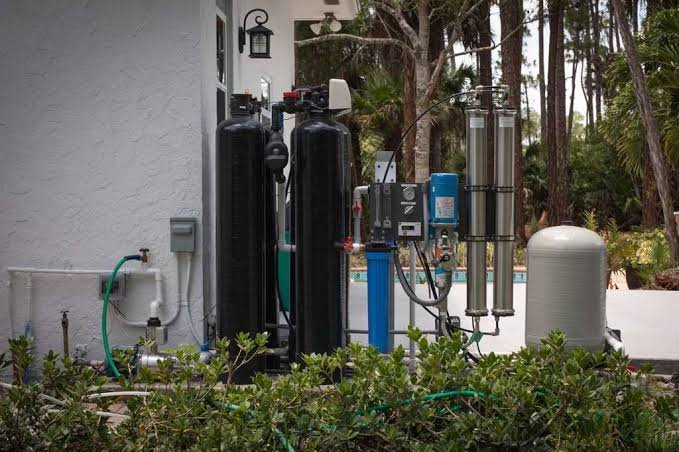
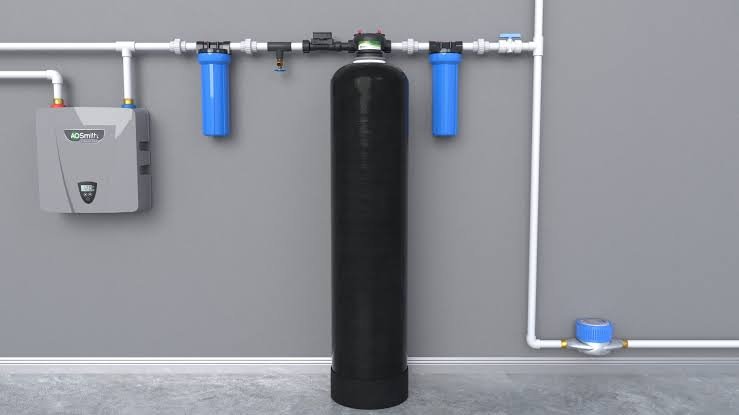
Not every water-related decision happens in the kitchen. Larger treatment equipment, storage tanks, pressure equipment, or whole-home systems may be located elsewhere, depending on the property.
For homeowners who have equipment in the basement, accessibility and protection from moisture become especially important. The basement can provide more room than a kitchen cabinet, but that extra space doesn’t eliminate the need for good planning.
Equipment should be installed in a suitable location where it can be inspected, serviced, and protected from accidental damage. Flooring and drainage conditions matter, too. If a component ever leaks or requires draining during maintenance, you don’t want water finding its way into an inconvenient corner.
In older houses, basement plumbing can also look rather different from newer installations. That’s where professional advice can be useful, particularly if you’re connecting new treatment equipment to an existing plumbing network.
Think About the People Using the Water
Water treatment isn’t only about technology. It’s about daily habits.
A household that cooks frequently may have different priorities from one that mostly drinks bottled water. A family with young children might pay particular attention to drinking-water quality, while someone living alone may care more about taste, convenience, and reducing plastic bottle use.
A water-conscious family often starts with fairly ordinary habits: fixing dripping taps, choosing efficient fixtures, avoiding unnecessary water waste, and paying attention to water quality rather than treating it as an afterthought.
That mindset can make filtration and treatment more useful, too. The goal isn’t simply to install a machine and forget about it. It’s to create a practical system that fits how the household actually lives.
A Little Organization Goes a Long Way
You don’t need a major renovation to improve the space around your kitchen plumbing.
Start by removing expired products and items you never use. Store cleaning products in a way that keeps them away from drinking-water equipment. Use a small tray beneath connections where appropriate to make moisture easier to notice. Avoid stacking heavy objects against pipes.
If filtration equipment is installed, keep its operating instructions and replacement information somewhere easy to find. Take a photo of the setup after installation. That might sound unnecessary, but months later, when you’re trying to remember which cartridge goes where, you’ll be glad you did.
Also, don’t force equipment into a space that is simply too tight. Plumbing needs room for connections, movement, and maintenance. A beautifully organized cabinet isn’t very useful if nobody can safely access the shutoff valve.
When Professional Help Makes Sense
Some home plumbing tasks are perfectly reasonable for a confident DIY homeowner. Replacing a faucet aerator or organizing supplies is one thing. Modifying water lines, installing complex filtration equipment, or dealing with persistent leaks is another.
Professional plumbers can assess the existing plumbing, verify connections, and make sure new equipment is installed correctly. They can also help identify whether a water-quality problem is actually a plumbing issue, a treatment issue, or something that requires testing.
That distinction matters. A strange taste, low pressure, discoloration, or recurring buildup can have different causes, and guessing isn’t always the cheapest route.
Sometimes paying for expert advice at the beginning saves you from paying twice later.
The Small Space That Deserves More Attention
The area beneath a kitchen sink may never become the most glamorous part of a home. That’s okay. It doesn’t need to be.
What it does need to be is functional, accessible, and safe.
Good water management starts with understanding what your household actually needs. From compact filtration to sensible plumbing organization, small improvements can make everyday life noticeably easier. And when water quality is a concern, testing first and choosing treatment based on real results is usually smarter than chasing the latest gadget.
After all, the best home systems are the ones you barely think about. They quietly do their job, fit into your routine, and don’t turn a simple filter change into an afternoon-long project.
Sometimes, making a home work better really does come down to paying attention to the little spaces we’ve been ignoring.:::