Most homeowners think about water quality at the kitchen sink first. That makes sense. Drinking water is personal, and if it tastes strange, you notice right away. But water does not only matter in the glass. It moves through the entire home, touching showers, laundry, dishes, water heaters, bathroom fixtures, and appliances every single day.
That is why water problems often show up in more than one place. The shower may smell faintly like a pool. Glasses may come out cloudy. Towels may feel rough. Faucets may collect buildup faster than expected. None of this always feels urgent, but after a while, it becomes part of the home’s daily frustration.
Good water treatment is not just about making water drinkable. It is about making the whole house feel easier to live in.
Related readingBetter Water Starts With Knowing What’s Actually in It
Why Whole-Home Treatment Makes Sense
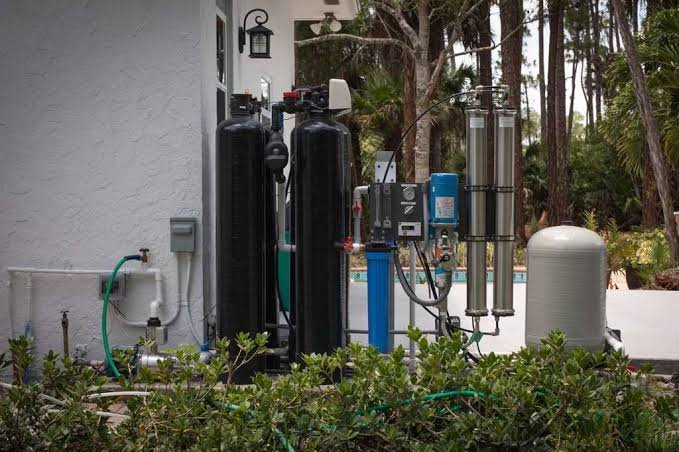
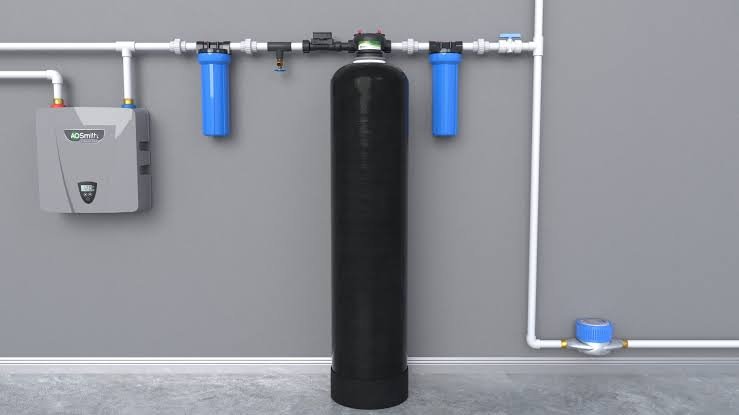
A whole home water filtration system is designed to treat water as it enters the house, before it reaches the faucets, showers, laundry machine, and appliances. Instead of fixing one tap at a time, it works closer to the source.
This can be especially helpful when the issue affects multiple areas of the home. If the water smells odd in the shower, tastes unpleasant in the kitchen, and leaves residue in the laundry, a small pitcher filter is not going to solve the bigger picture.
Whole-home filtration gives the household a more consistent water experience from room to room. It is a practical upgrade, not a flashy one, but homeowners tend to notice the difference in quiet everyday ways.
Clear Water Still May Need Help
Water can look clean and still carry things that affect its taste, smell, and performance. Municipal water is treated before it reaches the home, but treatment chemicals, sediment, minerals, and pipe conditions can influence what comes out of the tap.
Related readingWhat You Should Know About Whole-Home Water Filtration
Private wells have their own concerns too. Depending on the location, well water may contain sediment, iron, sulfur-like odors, or other naturally occurring elements. One home may struggle with staining, while another nearby home mainly deals with taste.
This is why testing matters. You cannot always see the problem, and guessing can lead to buying the wrong system.
Better Taste in More Than One Room
One of the first things families notice after filtration is cleaner-tasting water. Not just at the kitchen sink, but in the water used for ice, coffee, tea, cooking, and sometimes even brushing teeth. It may sound small, but taste affects habits.
When water tastes better, people tend to drink it more often. Kids may fill their bottles without complaining. Coffee tastes smoother. Ice does not carry that odd flavor into every drink. Even simple things like rinsing fruit or making soup feel a little more pleasant.
Related readingWhy Carbon Filtration Has Become a Trusted Choice for Better-Tasting, Cleaner Water
The point is not perfection. It is comfort and consistency.
The Problem with Chlorine Smell
Many homes receive treated municipal water, and chlorine is commonly used in that treatment process. It serves an important purpose before water reaches the home, but the leftover taste or smell is not something everyone wants in their shower or glass.
That familiar chlorine taste & odor can make water feel less fresh, even when it meets safety standards. Some people notice it more in hot showers because warm water can make smells stronger. Others notice it in ice, tea, or plain drinking water.
Whole-home filtration may help reduce these unwanted tastes and odors before the water moves through the rest of the house. For families who are sensitive to smell, that can be a real improvement.
Filtration Is Not the Same as Softening
This is where many homeowners get confused, and honestly, it is understandable. Water treatment terms get thrown around like they all mean the same thing. They don’t.
Related readingWhy Better Water at Home Is One Upgrade You’ll Appreciate Every Single Day
Filtration usually targets things like sediment, taste, odor, and certain unwanted substances depending on the filter type. A water softener, on the other hand, is mainly designed to reduce hardness minerals like calcium and magnesium. Those minerals are what often cause scale buildup, dry-feeling skin, and spots on fixtures.
Some homes need filtration. Some need softening. Many benefit from both. The right setup depends on what the water test shows and what problems the homeowner is trying to solve.
How Better Water Protects the Home
Water runs through expensive equipment. Dishwashers, washing machines, water heaters, refrigerator lines, coffee makers, and plumbing fixtures all depend on it. When sediment, mineral content, or other water issues are present, appliances may work harder or wear faster.
Related readingWhy Better Drinking Water Starts Right at the Kitchen Tap
A good filtration system can help reduce some of that burden. It may help keep fixtures cleaner, reduce unwanted particles, and improve the water used throughout the house.
This does not mean a filter magically prevents every plumbing issue. No honest provider should promise that. But improving water quality can support better long-term care for the home’s systems.
Daily Comfort Matters Too
Some benefits are not technical at all. They are just about comfort.
A shower that smells fresher. Laundry that feels cleaner. Water that does not make the bathroom smell like chemicals. A kitchen faucet you actually trust. These are the little improvements that make people say, “Why didn’t we do this sooner?”
Homes are made up of routines, and water is involved in nearly all of them. When water feels better, the routine feels better.
Maintenance Should Be Straightforward
A whole-home filtration system is not something you install and forget forever. Filters or media may need replacement, depending on the system design, water quality, and household usage. Maintenance should be explained clearly before installation.
Homeowners should know what needs to be checked, how often service is required, and what signs suggest attention is needed. Reduced water pressure, a return of odor, or changes in taste can all mean it is time for service.
The best systems are not just effective. They are easy to live with.
Final Thoughts
Better water throughout the home begins with understanding what is in the water and how it affects daily life. A whole-home system can be a smart choice when taste, odor, sediment, or overall water comfort is a concern beyond just one faucet.
The right solution should start with testing, clear recommendations, and honest expectations. No scare tactics. No confusing sales talk. Just practical guidance based on the home’s actual needs.
When the water improves, the change may feel subtle at first. Then you notice the coffee, the shower, the laundry, the ice, the dishes. Little by little, the whole home feels cleaner, fresher, and easier to enjoy.