Water problems have a funny way of sneaking into everyday life. One morning, you notice white marks around the kitchen faucet. A few days later, the showerhead seems partly blocked, or the drinking water tastes different than it used to. At first, these things might not seem worth worrying about. But when they keep happening, you start wondering whether your water needs more than a quick clean.
The challenge is knowing where to begin. Walk into the world of water treatment, and you’ll find filters, softeners, reverse osmosis units, whole-house systems, and plenty of technical terms that aren’t always easy to understand. Choosing the right equipment can feel overwhelming, particularly when every product seems to promise better water.
Fortunately, you don’t need to become a water treatment expert to make a sensible decision. A little testing, clear advice, and a practical understanding of your household’s needs can help you find a solution without spending money on equipment you don’t require.
Related readingBetter Water Starts With Knowing What’s Actually in It
Start With the Water You Actually Have
Before considering a new system, take time to understand your current water quality. Is the main concern a strange taste, mineral deposits, visible sediment, or something identified in a laboratory report? Each issue can point toward a different treatment method, and guessing can lead to disappointing results.
For example, hard water contains elevated levels of calcium and magnesium. It often leaves chalky marks on faucets and shower doors and can contribute to scale inside water heaters. Sediment, on the other hand, consists of suspended particles that may make water appear cloudy or collect in plumbing fixtures.
Other concerns are less obvious. Certain dissolved contaminants and microorganisms cannot reliably be identified by looking at or tasting the water. That’s why testing matters, especially for households using private wells or experiencing sudden changes in their supply.
Related readingWhy Better Water at Home Is One Upgrade You’ll Appreciate Every Single Day
A free water test can be a useful starting point when offered by a water treatment provider. Before relying on the results, ask what the test measures, whether it is a screening or laboratory analysis, and which concerns it cannot detect. A simple demonstration may help identify hardness, but it shouldn’t be treated as proof that water is safe to drink.
The aim is to get information that supports a real decision. Once the problem is understood, you can focus on the equipment and treatment methods most likely to address it.
Why One Water Treatment System Doesn’t Suit Everyone
Imagine two households on the same street. One struggles with mineral deposits that make cleaning difficult. The other is concerned about the taste of its drinking water. They may receive water from the same municipal supply, yet their priorities aren’t necessarily identical.
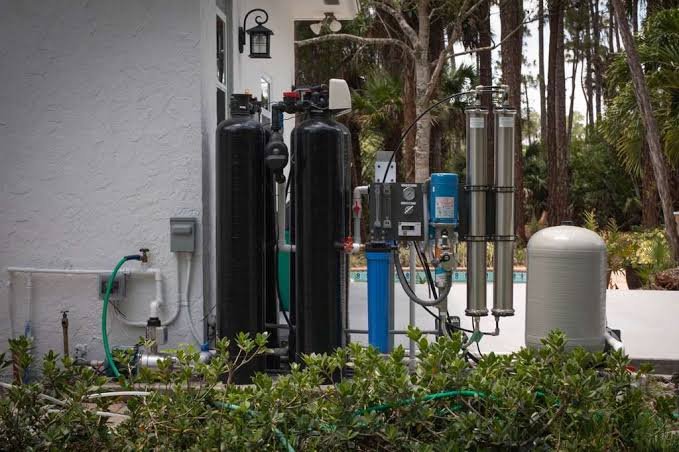
A water softener may be useful for the first household because it reduces hardness minerals through ion exchange. For the second, an appropriately selected carbon filter or reverse osmosis system may be more relevant, depending on the cause of the taste and the water’s test results.
Related readingA Practical Guide to Better Water Without Overspending
Sediment filtration can help capture suspended particles, while specialized treatment media may target particular substances under suitable conditions. No single technology removes every possible contaminant, and the performance of any system depends on its design, operating conditions, and maintenance.
This is where custom recommendations become valuable. Rather than starting with a particular product and trying to justify its purchase, a good water treatment assessment begins with your water quality, daily usage, available space, budget, and long-term expectations.
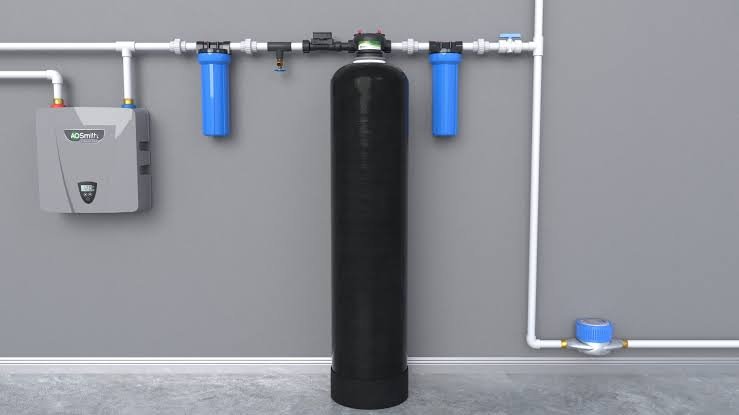
For a small apartment, a compact drinking-water system may be sufficient. A larger home with hard water throughout the plumbing may benefit from whole-house treatment. A property using well water could need a combination of filtration and other treatment stages, depending on laboratory findings.
The best recommendation is the one that solves the actual problem without adding unnecessary complexity.
Related readingBetter Water Throughout the Home Starts Before the Faucet
Ask the Right Questions Before Buying
Water treatment equipment is not something most people purchase every year, so it’s understandable to focus on the price tag. Still, the cheapest unit isn’t always the most economical choice over time.
Consider the cost of replacement filters, electricity, salt, servicing, and wastewater where applicable. Check how much water the system can treat and whether it can handle periods of high demand. A unit that works well for one or two people might struggle in a busy household.
It’s also worth asking about verified performance. If a product claims to reduce a particular contaminant, look for independent certification or reliable test data that specifically covers that substance. Certification for improving taste or reducing chlorine, for example, doesn’t automatically establish effectiveness against lead, arsenic, or microorganisms.
Related readingWhat You Should Know About Whole-Home Water Filtration
A trustworthy provider should explain what the equipment does, what it doesn’t do, and what maintenance it requires. You shouldn’t have to rely on vague promises about completely pure water to feel confident about a purchase.
Installation Matters More Than You Might Think
Even a well-designed water treatment system can disappoint if it’s installed incorrectly. Poor connections may cause leaks, unsuitable plumbing arrangements can affect performance, and incorrect settings may prevent equipment from working as intended.
Depending on the system, installation may involve plumbing changes, drainage, electrical connections, pressure checks, or adjustments to existing equipment. Reverse osmosis systems, for instance, commonly require a suitable drain connection and storage or delivery arrangement. Whole-house units need to be sized and positioned according to the property’s water demand and plumbing layout.
Choosing professional installation can help ensure that the system is fitted correctly and checked before regular use. Ask the installer to explain how the equipment operates, where shut-off valves are located, and what to do if a leak or performance issue develops.
Before the work begins, clarify whether installation costs include fittings, testing, and any necessary plumbing changes. A clear estimate helps prevent unpleasant surprises once the job is underway.
Don’t Forget the Importance of Maintenance
Once the new equipment is running, it’s tempting to forget about it. After all, the whole point is to make everyday water use easier. But filters have a limited service life, softeners may need salt, and reverse osmosis membranes eventually require replacement.
Maintenance intervals depend on the model, incoming water quality, and amount of water treated. Follow the manufacturer’s instructions rather than relying on a universal replacement schedule. If the water develops an unusual taste, the pressure drops, or the system begins leaking, investigate promptly.
Keep records of filter changes, service visits, and water test results. These details make it easier to recognize patterns and determine whether the equipment is performing as expected.
And remember, installing a treatment system doesn’t remove the need to monitor the source. Private well owners should continue appropriate water testing, while households connected to municipal supplies should investigate unexpected changes instead of assuming their equipment will correct every problem.
Make a Decision You Feel Good About
Choosing water treatment should be a process of understanding, comparing, and asking questions—not rushing into a purchase because a problem has become irritating.
Start with reliable information about your water. Identify the issues that matter most, compare treatment methods, and consider both the upfront price and ongoing maintenance. If a provider offers a test or consultation, use the opportunity to understand your options rather than treating it as an obligation to buy.
Better water doesn’t always require the biggest system or the most expensive technology. Sometimes a targeted filter is enough. In other cases, a softener, reverse osmosis unit, or carefully planned combination may be more appropriate.
The important thing is to make the choice based on evidence and your actual needs. With sound advice, suitable equipment, and regular care, you can approach water treatment with greater confidence and fewer costly surprises. That’s a worthwhile improvement for any home.