Water is easy to take for granted. It comes out of the faucet whenever you need it, so most of us don’t stop to wonder what’s traveling through the pipes until something looks, smells, or tastes unusual.
Maybe you’ve noticed a strange taste in your drinking water. Perhaps there’s sediment around a faucet, spots on your glassware, or an odor that makes you reach for bottled water instead. These little things can be annoying, but they can also be useful clues that your water deserves a closer look.
The first step isn’t necessarily buying a filtration system. It’s understanding your water and deciding what, if anything, needs to be improved.
Related readingBetter Water Starts With Knowing What’s Actually in It
Start With the Water You Actually Have
Water quality varies from one location to another. Municipal supplies go through treatment, while private wells can have their own set of challenges. Even within the same area, plumbing, storage tanks, and other factors can influence what reaches your tap.
A water test can help identify characteristics such as hardness, chlorine, sediment, iron, sulfur, and other substances.
That’s useful because water treatment isn’t one-size-fits-all. A filter designed to improve taste won’t necessarily address every dissolved contaminant. Likewise, a softener isn’t intended to solve every filtration problem.
Related readingWhy Carbon Filtration Has Become a Trusted Choice for Better-Tasting, Cleaner Water
Knowing the starting point makes the rest of the decision much easier.
Why Whole-House Filtration Can Be Practical
A point-of-use filter can be useful if your main concern is drinking water at the kitchen sink. But the water entering your home doesn’t stop there.
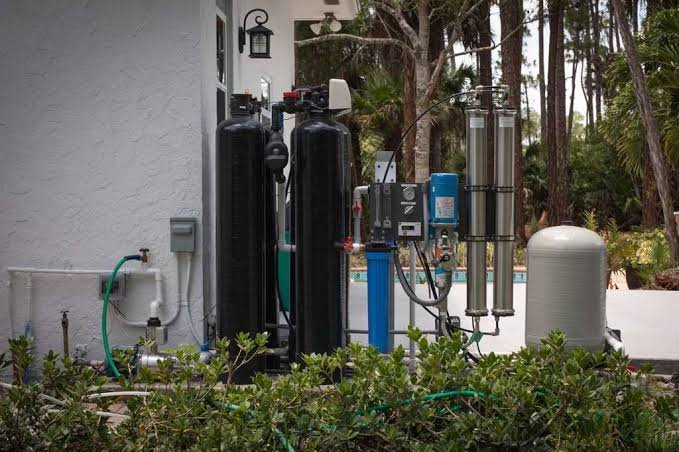
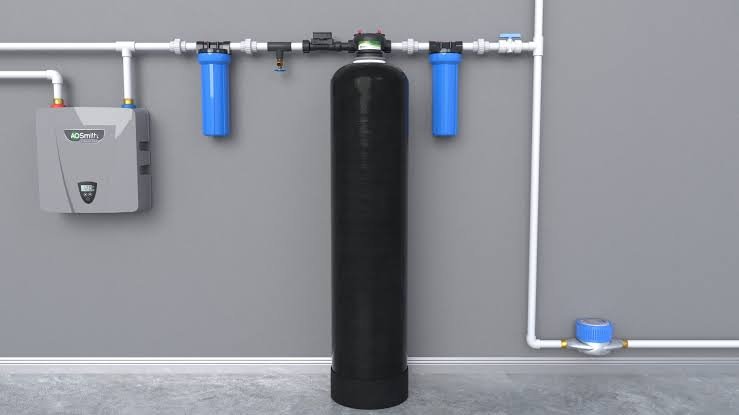
It’s also used for showers, baths, laundry, dishwashing, cooking, and appliances. If you want to address water quality throughout the property, whole house water filtration systems can provide a broader approach.
These systems are installed so treated water can reach multiple fixtures around the home. Depending on the design, they may target sediment, chlorine, unpleasant tastes and odors, or other specific concerns.
The important word here is “depending.” Every system has limits, and understanding those limits is part of choosing the right equipment.
Related readingWhy Knowing What’s in Your Water Matters More Than You Think
Clear Water Isn’t Always the Same as Clean Water
One of the easiest assumptions to make is that water must be fine if it looks clear.
Unfortunately, appearance doesn’t tell the whole story.
Some substances are invisible, and you can’t identify them simply by looking into a glass. This is why proper testing matters, especially when you’re concerned about the safety or quality of drinking water.
Certain health damaging water contaminants can be difficult to detect without appropriate testing. Depending on the source and local conditions, water may contain substances that aren’t obvious from taste or appearance alone.
That doesn’t mean you should panic every time your water tastes slightly different. It means decisions should be based on evidence rather than assumptions.
Related readingWhat Your Water Might Be Telling You: The Importance of Testing Before Choosing a Treatment Solution
Understanding Heavy Metals
The term heavy metals covers several metallic elements that can occur naturally or enter water through environmental or infrastructure-related sources. Lead, arsenic, mercury, and other metals can be a concern depending on local conditions and exposure levels.
Because these substances aren’t necessarily visible or noticeable by taste, testing is particularly important when there is a reason to suspect their presence.
If testing identifies a concern, the treatment method should be selected specifically for that contaminant. Not every household filter is designed to remove every metal.
This is one area where reading the label carefully matters. A filter can be excellent at reducing one substance while doing little for another.
Related readingBetter Water Throughout the Home Starts Before the Faucet
Your Water Source Matters
Where your water comes from can influence what treatment approach makes sense.
Municipal water is generally treated before it reaches homes, but treatment doesn’t necessarily mean every household has identical water quality at the tap. Aging plumbing, local infrastructure, and building-specific conditions can all play a role.
Private wells are different again. Well owners are responsible for understanding and monitoring their own water quality, and testing may be particularly important because conditions can change.
If you have a private well, regular testing can provide valuable information about whether the water remains suitable for its intended use.
Don’t Forget About Taste and Odor
Safety is important, but drinking-water quality is also about everyday experience.
Water with a noticeable chlorine taste or unusual odor may cause people to drink less of it or rely heavily on bottled water. That’s not ideal when clean, pleasant tap water could be available with appropriate treatment.
Filtration technologies such as activated carbon can be useful for certain taste and odor concerns. Other issues may require different treatment.
Again, the answer depends on what’s causing the problem.
Protecting Your Home’s Plumbing and Appliances
Water treatment can have benefits beyond drinking and cooking.
Hard water can contribute to scale buildup in water heaters, dishwashers, washing machines, and other equipment. Sediment can also create problems in certain plumbing and appliance applications.
Treatment doesn’t guarantee that your appliances will last forever — unfortunately, even the best dishwasher eventually decides to give up at the least convenient moment.
But addressing known water-quality issues can be part of a sensible maintenance strategy.
When equipment represents a significant investment, reducing avoidable stress on it is worth considering.
Don’t Buy the Most Complicated System Just Because You Can
Water treatment technology can become complicated quickly.
There are carbon filters, sediment filters, water softeners, reverse osmosis systems, ultraviolet treatment, specialty media, and combinations of several technologies.
It can be tempting to think that more stages automatically mean better water.
Not necessarily.
A properly selected two-stage system may be a better fit than a six-stage system that addresses problems you don’t actually have. The goal is effective treatment, not an impressive equipment list.
Maintenance Is Part of the Deal
Every filtration system has maintenance requirements.
Filters need replacement. Some systems need cleaning or periodic servicing. More advanced equipment can have membranes, lamps, tanks, or other components that require attention.
Before installing anything, ask about these requirements. Find out how often parts need replacement and what they cost.
A system that’s easy to maintain is much more likely to perform well over the long term.
Ignoring maintenance can reduce filtration performance and turn a useful investment into an expensive piece of equipment sitting in a corner.
Make the Decision Based on Evidence
The smartest approach to water treatment is fairly simple.
Test the water. Identify the specific concern. Understand which technologies address that concern. Then compare systems based on performance, maintenance, installation, operating costs, and long-term value.
Don’t be pressured into buying something just because it sounds advanced. And don’t assume the cheapest option is automatically the best deal.
Ask questions. A good water-treatment professional should be able to explain what the system does, what it doesn’t do, and why it is appropriate for your particular water.
The Bottom Line
Better water doesn’t necessarily require a complicated lifestyle change. In many homes, the right filtration system simply works quietly in the background.
You turn on the faucet and get water that tastes better. You shower, cook, wash dishes, and do laundry without constantly thinking about what’s coming through the pipes.
Most importantly, you make the decision based on what your water actually needs rather than guesswork.
That’s the real value of thoughtful water filtration: not fancy equipment for its own sake, but cleaner, more suitable water that fits naturally into everyday life.