Why Water Quality Deserves More Attention
Most of us don’t spend much time thinking about water. We pour a glass from the tap, run the dishwasher, take a shower, and move on with our day. Water is one of those things that quietly works in the background of life—until something feels off.
Maybe the water tastes a little strange. Perhaps your dishes come out cloudy, or your skin feels unusually dry after every shower. Sometimes the signs are subtle. Other times they’re impossible to ignore.
The truth is that water quality varies dramatically from one location to another. Even homes in the same neighborhood can experience different water characteristics depending on plumbing, source water, and local infrastructure. That’s why understanding what’s actually in your water is often the first and most important step before investing in any treatment system.
Related readingBetter Water Starts With Knowing What’s Actually in It
The Problem With Guessing
One of the biggest mistakes homeowners make is assuming they know what’s causing their water issues.
A person notices white spots on glassware and assumes it’s hard water. Someone else tastes chlorine and immediately starts shopping for filtration systems. While these guesses may occasionally be correct, water can be surprisingly complicated.
Different contaminants and minerals often create similar symptoms. Without proper testing, homeowners can end up purchasing equipment that doesn’t address the actual problem.
Related readingWhy Knowing What’s in Your Water Matters More Than You Think
It’s a bit like taking medication without getting a diagnosis first. You might get lucky, but chances are you’re treating symptoms rather than solving the root cause.
Understanding What’s Flowing Through Your Pipes
Water can contain a wide variety of naturally occurring minerals and substances. Some are harmless. Others may affect taste, odor, appliance performance, or overall water quality.
Common concerns include hardness minerals, chlorine, sediment, iron, sulfur compounds, and elevated levels of dissolved solids. Each can create unique challenges within a home.
Related readingWhat You Should Know About Whole-Home Water Filtration
The challenge is that these substances are often invisible. Clear water isn’t always clean water, and water that tastes fine isn’t necessarily free from issues that may affect plumbing systems or household appliances.
That’s why testing matters. It transforms assumptions into facts.
A Simple Test Can Reveal a Lot
Many homeowners are surprised by how much information a basic water evaluation can provide.
Professional testing can identify mineral concentrations, hardness levels, chlorine content, pH balance, and other important factors. These insights create a much clearer picture of what’s happening throughout the home.
Related readingWhat Your Water Is Telling You: A Practical Guide to Better Water Quality
Some companies even offer free water testing as a starting point for homeowners who want answers without making an immediate financial commitment. These evaluations can reveal concerns that might otherwise go unnoticed for years.
Even if no major issues are found, the peace of mind alone can make the process worthwhile.
Looking Beyond Taste and Appearance
When people think about water quality, they often focus on taste. While taste is certainly important, it’s only one piece of the puzzle.
Water affects plumbing systems, appliances, fixtures, laundry, dishes, and personal comfort. A comprehensive water quality analysis helps identify factors that influence all of these areas, not just drinking water.
For example, water may taste perfectly acceptable while still containing mineral concentrations high enough to damage water heaters or reduce appliance efficiency over time.
Related readingUnderstanding Water Pollution and What It Means for the Water We Use
That’s why experts recommend evaluating water from a broader perspective rather than relying solely on taste or appearance.
What Are Dissolved Solids, Anyway?
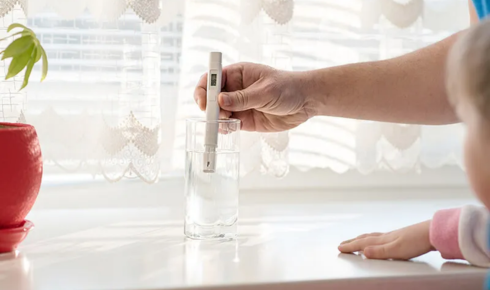
One term that often appears during testing is Total Dissolved Solids. At first glance, it sounds highly technical, but the concept is fairly straightforward.
Total Dissolved Solids, often abbreviated as TDS, refers to the combined amount of dissolved minerals, salts, metals, and other substances present in water. These materials are small enough to pass through standard filtration processes and remain suspended in the water itself.
A certain amount of dissolved solids is perfectly normal. In fact, some minerals contribute positively to taste. However, elevated levels can affect water quality, create scaling issues, and sometimes indicate the presence of unwanted contaminants.
Understanding TDS levels helps homeowners gain a more complete picture of their water’s composition.
Why Water Conditions Change Over Time
Another common misconception is that water quality remains constant year after year.
In reality, conditions can change. Municipal treatment methods may evolve. Seasonal factors can influence source water characteristics. Aging plumbing systems can also introduce new concerns over time.
I’ve spoken with homeowners who assumed their water was exactly the same as it had been ten years earlier, only to discover significant changes during a routine evaluation.
Testing periodically helps ensure that treatment solutions continue addressing current conditions rather than outdated assumptions.
Choosing the Right Solution Starts With Information
Once testing identifies specific concerns, selecting a treatment system becomes much easier.
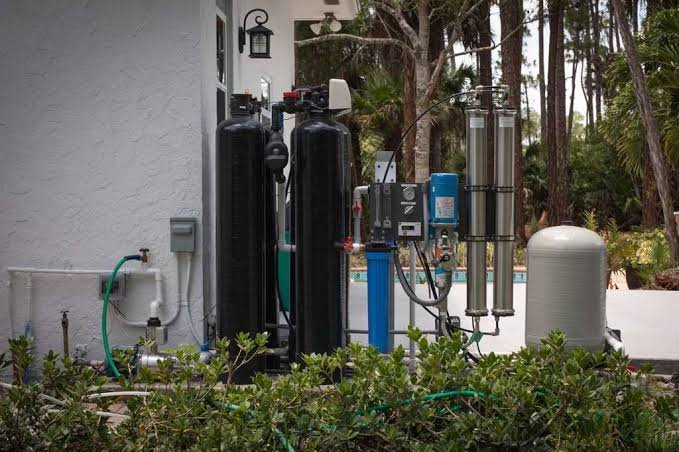
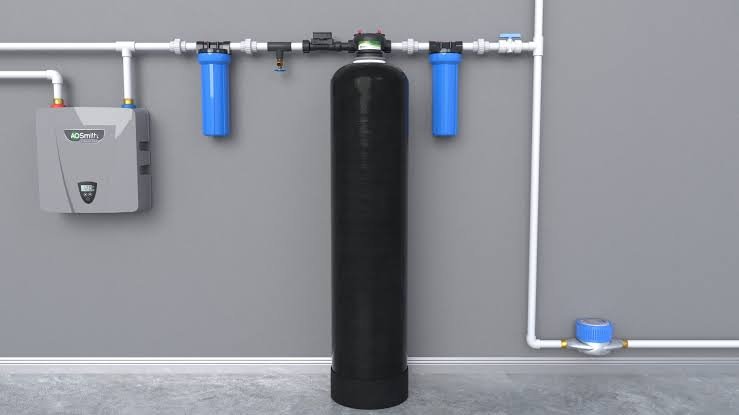
A home experiencing high hardness levels may benefit from water softening equipment. Elevated chlorine levels may call for specialized filtration. Iron issues often require completely different treatment approaches.
Without accurate information, homeowners may spend money on systems that deliver disappointing results. With proper testing, treatment becomes targeted, efficient, and far more effective.
It’s not about buying the most expensive equipment. It’s about choosing equipment that addresses your home’s actual needs.
The Long-Term Benefits of Knowing Your Water
Good water doesn’t just improve drinking experiences. It can help protect plumbing, improve appliance efficiency, reduce maintenance requirements, and enhance overall household comfort.
Homeowners who understand their water are often better equipped to make smart decisions about maintenance, upgrades, and future investments. They know what challenges they’re facing and can respond accordingly.
Perhaps even more importantly, they avoid wasting time and money on solutions that don’t solve the real problem.
A Small Step That Can Make a Big Difference
Water testing isn’t the most exciting home improvement project. It doesn’t come with dramatic before-and-after photos or instant curb appeal. Yet it may be one of the smartest investments a homeowner can make.
The information gained from testing creates a foundation for every future water-related decision. Whether the goal is better tasting water, protecting appliances, improving efficiency, or simply gaining peace of mind, understanding your water is where the journey begins.
At the end of the day, water touches nearly every part of daily life. Taking the time to learn what’s in it isn’t just practical—it’s one of the simplest ways to create a healthier, more efficient, and more comfortable home for years to come.