Most people don’t wake up thinking about the minerals in their water. They turn on the shower, rinse a coffee mug, start the washing machine, and move on with the day. Water is just water, right? Until it starts leaving clues.
A cloudy film on drinking glasses. White crust around the faucet. Soap that feels like it never fully rinses away. A showerhead that sprays sideways because half the tiny holes are blocked again. These little annoyances may seem random, but often they point toward one common household problem: hard water.
What Hard Water Actually Means
Hard water is water that contains higher levels of dissolved minerals. It usually picks them up as it travels through soil, rock, and underground deposits before reaching a home. In many areas, this is completely normal. The water may look clear and taste fine enough, but it can still create problems in daily life.
The minerals most often linked to hard water are calcium and magnesium. They are not usually harmful in the way people think of contamination, but they can be stubborn. Once heated, dried, or left sitting on surfaces, they tend to leave marks behind.
That is why hard water feels less like a dramatic emergency and more like a daily irritation that keeps returning.
Related readingA Practical Guide to Better Water Without Overspending
The Signs Are Usually Right in Front of You
One of the easiest signs to spot is residue. Faucets collect chalky buildup. Shower doors look foggy even after cleaning. Dishes come out with spots. The kettle may develop a crusty layer inside. Bathroom tiles may feel rough instead of smooth.
Then there is the way water feels. Soap may not lather well. Shampoo may seem less effective. Skin can feel dry or tight after bathing. Hair may feel dull, heavy, or harder to manage. Laundry may come out a little stiff, even with decent detergent.
None of these signs alone may seem like a big deal. But together, they tell a story.
Why Scale Becomes a Bigger Problem Over Time
The most frustrating effect of hard water is scale buildup. This happens when minerals collect on surfaces, inside pipes, and within appliances. At first it may look like a bit of white residue. Over time, it can become thicker, harder to remove, and more damaging.
Water heaters are especially vulnerable because heat encourages minerals to separate from the water and settle. Dishwashers, washing machines, coffee makers, showerheads, and faucets can also be affected.
Related readingWhy Better Water at Home Is One Upgrade You’ll Appreciate Every Single Day
Scale can reduce efficiency, clog small openings, and force appliances to work harder than they should. That means a small water issue can slowly turn into higher utility costs, more cleaning, and earlier repairs.
Why Cleaning Alone Doesn’t Solve It
Many homeowners fight hard water with vinegar, bathroom sprays, scrubbing pads, and stronger cleaners. And yes, those can remove visible buildup for a while. But cleaning does not change the water.
That is the frustrating part. You scrub the shower door on Sunday, and by Friday the haze is already coming back. You clean the faucet, but the crust returns. You descale the coffee maker, but it needs attention again sooner than expected.
Related readingBetter Water Throughout the Home Starts Before the Faucet
If the source of the problem is still flowing through the pipes, the results will always be temporary.
How Hard Water Affects Appliances
Appliances that use water every day quietly take the hit. A water heater with mineral deposits inside may need more energy to heat the same amount of water. A dishwasher may leave spots even when the detergent is good. Washing machines may struggle to rinse soap properly.
Coffee makers, humidifiers, steam irons, and ice makers can also collect mineral residue. Some people replace small appliances without realizing the water is shortening their useful life.
Related readingBetter Water Starts With Knowing What’s Actually in It
Good maintenance helps, but hard water keeps adding pressure in the background.
The Comfort Side People Notice First
Not everyone thinks about appliance efficiency, but almost everyone notices how water feels on the body. Hard water can make soap feel slippery or sticky, as if it refuses to rinse away cleanly. That leftover feeling can be annoying, especially for people with dry skin.
Hair can also feel different. It may seem flatter, rougher, or less shiny. Some people spend money on better shampoo or conditioner, when the water is part of the problem.
This is why water softening often feels like a lifestyle improvement, not just a plumbing upgrade.
Related readingBetter Water Starts With the Right Advice: Finding a Solution That Fits Your Needs
Testing Before Choosing a Solution
Before buying any system, it is smart to test the water. Hardness levels can vary a lot from one area to another, and even between nearby homes. Testing helps homeowners understand how severe the issue is and what type of solution makes sense.
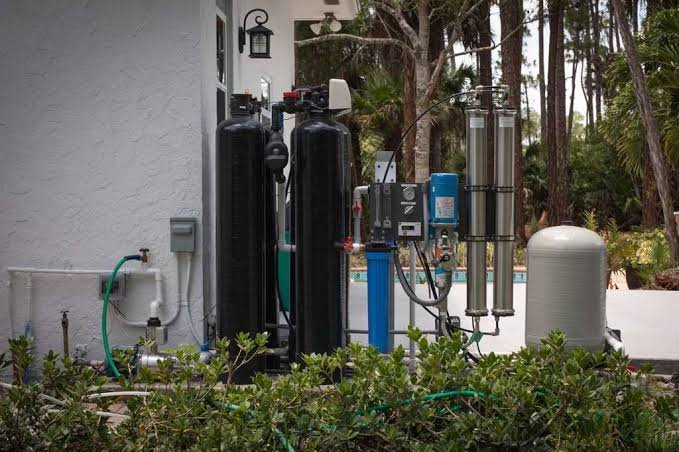
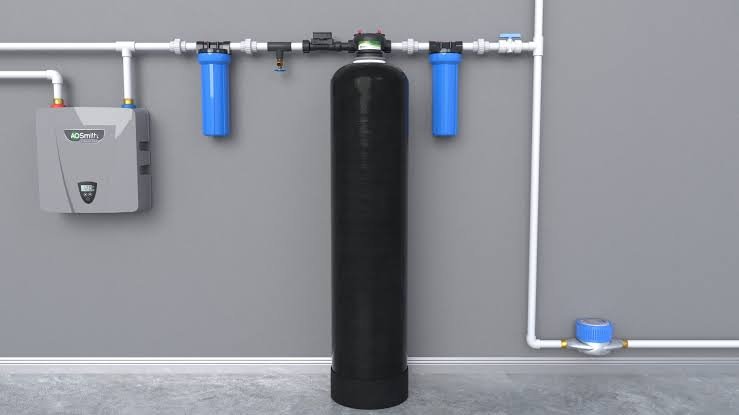
A water softener is often used to reduce hardness, but the right size and setup depend on household water use, plumbing, and the measured mineral level. Some homes may also need filtration if there are taste, odor, sediment, or iron concerns in addition to hardness.
Guessing can lead to the wrong system. Testing helps avoid that.
Why Better Water Makes Home Care Easier
When hardness is properly addressed, the change can be surprisingly noticeable. Soap lathers more easily. Dishes look clearer. Shower doors stay cleaner for longer. Towels and clothes may feel softer. Appliances may operate with less mineral stress.
It does not mean the house never needs cleaning again. Sadly, no water system can do that. But it can reduce the constant return of chalky spots and crusty buildup that makes cleaning feel pointless.
Better water simply makes the home easier to manage.
A Practical Upgrade That Pays Off Quietly
Hard water is not always dangerous, but it can be costly, irritating, and rough on the home. It affects comfort, cleaning, appliances, fixtures, and the small daily routines people barely think about until they become annoying.
The first step is paying attention to the clues: spots, scale, dry skin, stiff laundry, poor lather, and appliance buildup. From there, a proper water test can show what is really going on.
Once the right solution is in place, the difference is not loud or flashy. It is just better water doing its job quietly — in the shower, in the laundry room, in the kitchen, and everywhere else the home depends on it.