Making Sense of Well Water Issues and Finding the Right Solution for Your Home
Home Services / Main-stage visual
Living With Well Water Has Its Advantages
There’s something satisfying about having your own well. For many homeowners, it brings a sense of independence. You’re not relying entirely on a municipal system, and in many cases, well water can provide a reliable and abundant source of water for everyday life.
But owning a private well also comes with responsibilities.
Unlike city water customers, well owners are largely responsible for monitoring and maintaining their own water quality. That means paying attention to changes in taste, smell, appearance, and performance. Sometimes those changes are obvious. Other times they’re subtle enough to sneak into daily life without much notice.
A glass of water that tastes slightly metallic. A faint odor near the sink. A stain that keeps returning no matter how hard you scrub it away.
Small signs often tell a bigger story.
Why Well Water Changes Over Time
Many homeowners assume that once a well is drilled, the water it produces will remain exactly the same forever. In reality, groundwater conditions can shift over time.
Rainfall patterns, seasonal changes, underground mineral deposits, nearby land activity, and even aging well components can influence water quality. What worked perfectly five years ago may not be producing identical results today.
This doesn’t necessarily mean something is wrong. Groundwater is part of a dynamic natural system, and changes are sometimes expected.
The important thing is recognizing when those changes deserve closer attention.
The First Signs Often Appear Around the House
One interesting thing about water quality issues is that they don’t always announce themselves through drinking water alone.
Sometimes the clues show up in the bathroom. Other times they’re visible in laundry rooms, kitchens, or around plumbing fixtures. You may notice discoloration, unusual odors, or cleaning challenges that seem unrelated at first glance.
Homeowners often spend months treating symptoms before realizing that the water itself may be the underlying cause.
It’s a bit like hearing a strange noise in your car and turning up the radio. The sound disappears temporarily, but the actual problem remains.
Understanding Iron in Well Water
Iron is one of the most common naturally occurring minerals found in private wells. Small amounts may go completely unnoticed, while higher concentrations can create visible household issues.
The most recognizable sign is the appearance of iron stains around sinks, bathtubs, toilets, and other surfaces that regularly come into contact with water.
These reddish-brown marks can be incredibly stubborn. Many homeowners scrub repeatedly, only to see the stains return a few days later.
What’s frustrating is that traditional cleaning methods often address the symptom rather than the source. Unless the iron content in the water is managed, the staining cycle tends to continue.
Why Water Sometimes Smells Unpleasant
Odors are another common concern among well owners.
A strange smell coming from the faucet can immediately raise questions about safety, even when the water looks perfectly clear. One of the most frequently reported issues involves sulfur odors, which are often described as resembling rotten eggs.
In many cases, these smells result from naturally occurring sulfur compounds or sulfur-related bacteria within the water system. While the odor itself may not always indicate a serious health risk, it can certainly make everyday activities less enjoyable.
Brushing your teeth, washing dishes, or filling a glass of water feels very different when an unpleasant smell is involved.
Fortunately, odor problems can often be identified and treated once the source is properly understood.
Why Guessing Rarely Solves Water Problems
One of the biggest mistakes homeowners make is assuming they know what’s causing a water issue without testing.
The challenge is that similar symptoms can have very different causes. Water discoloration, odors, appliance performance issues, and staining may all point to different underlying conditions.
That’s why professional water testing is so valuable.
A proper analysis provides real data rather than assumptions. Instead of trying multiple products and hoping for the best, homeowners gain a clear understanding of what’s actually present in their water.
That knowledge often saves both time and money.
The Growing Importance of Water Treatment
Modern treatment technology has made it easier than ever for homeowners to address specific well water concerns.
Today’s systems can target individual contaminants and water-quality challenges with impressive precision. Rather than relying on a one-size-fits-all approach, treatment can often be tailored to the unique characteristics of a particular well.
This is especially important because no two wells are exactly alike.
A solution that works perfectly for one household may be completely unnecessary—or ineffective—for another.
Choosing the Right Well Water Solution
When homeowners begin exploring well water treatment, the number of available options can feel overwhelming.
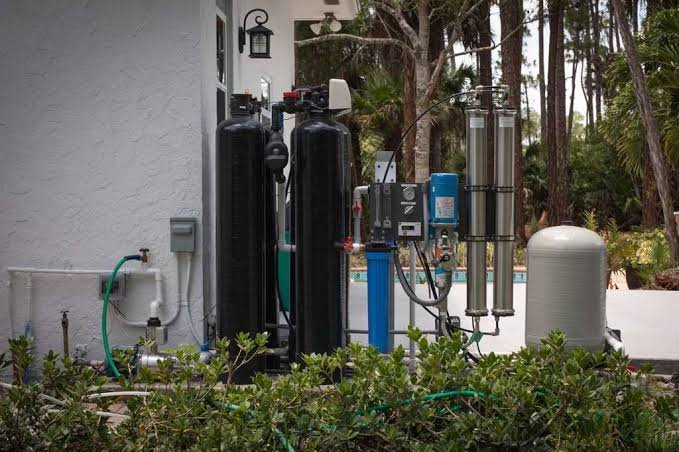
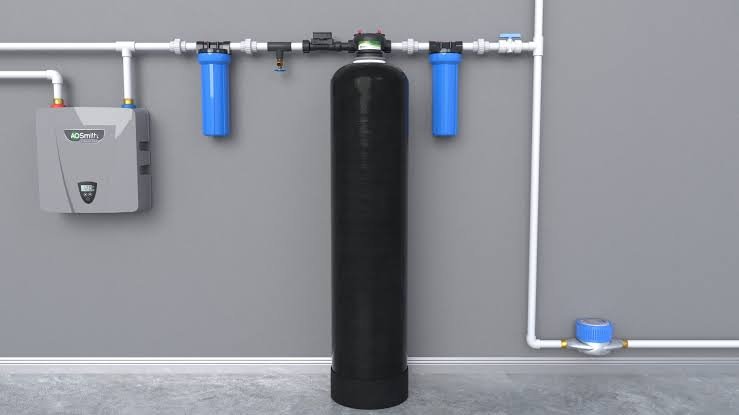
Filtration systems, oxidation units, water softeners, ultraviolet disinfection equipment, and specialized removal technologies all serve different purposes. The best choice depends entirely on the results of water testing and the specific challenges present in the water supply.
That’s why experts generally recommend starting with information rather than equipment.
Once you understand what’s in the water, selecting the right solution becomes much easier.
Without that knowledge, treatment decisions can quickly become expensive guessing games.
Maintenance Matters More Than People Think
Installing treatment equipment is only part of the process.
Like any household system, water treatment solutions require ongoing maintenance. Filters need replacement. Components need inspection. Testing should be performed periodically to ensure everything continues working effectively.
The good news is that routine maintenance is often far less costly and stressful than dealing with major water-quality problems after they’ve developed.
A little attention on a regular basis can go a long way.
Looking Beyond the Faucet
It’s easy to think about water quality only when pouring a glass to drink, but water affects far more than hydration.
It influences cooking, cleaning, bathing, laundry, appliance performance, and even the lifespan of household plumbing. Small improvements in water quality often create benefits throughout the entire home.
Many homeowners are surprised by how noticeable the difference can be once persistent water issues are properly addressed.
Final Thoughts
Owning a private well offers many advantages, but it also requires a proactive approach to water quality. Changes in taste, smell, appearance, or household performance shouldn’t be ignored, even when they seem minor at first.
Whether the issue involves naturally occurring minerals, staining, odors, or other water-quality concerns, understanding the source is the key to finding an effective solution.
At the end of the day, confidence in your water matters. When you know your water is clean, reliable, and performing as it should, everyday life simply feels a little easier—and that’s something every homeowner can appreciate.