For many families living outside city limits, having a private well feels like a small piece of freedom. There’s no monthly water bill from a municipality, no dependence on a public supply, and the feeling that your water is coming directly from the earth beneath your property. But that independence also brings responsibility. Unlike treated city water, private well water is not continuously monitored by a public system. What comes out of your tap depends on what is happening underground.
A glass of clear water can look perfectly fine and still contain minerals, bacteria, or other unwanted substances. That’s why homeowners need to understand their water source instead of waiting for problems like stains, strange odors, or unpleasant tastes to appear. Clean water is not only about appearance; it’s about protecting your family, your appliances, and your home’s plumbing for years to come.
The Hidden Problems That Can Affect Well Water
Well water quality can change for many reasons. Soil conditions, nearby farming activity, groundwater movement, and even heavy rainfall can influence what enters your water supply. One property may have excellent water, while a nearby home may struggle with completely different issues.
Related readingBetter Water Starts With Knowing What’s Actually in It
Some common concerns include hard water caused by calcium and magnesium, iron that creates orange stains on sinks and laundry, and sulfur compounds that produce a rotten egg smell. Other issues may be harder to notice because certain contaminants have no taste, color, or odor.
This is where understanding your specific water becomes important. Instead of choosing random filters or solutions, homeowners should identify the actual problem first. Testing provides a clearer picture and helps determine what treatment approach makes sense.
Choosing the Right Solution for Your Home
Every well is different, which means there is no single treatment method that works for everyone. Some homes may only need a water softener, while others might require advanced filtration to handle multiple concerns.
Related readingBetter Water Throughout the Home Starts Before the Faucet
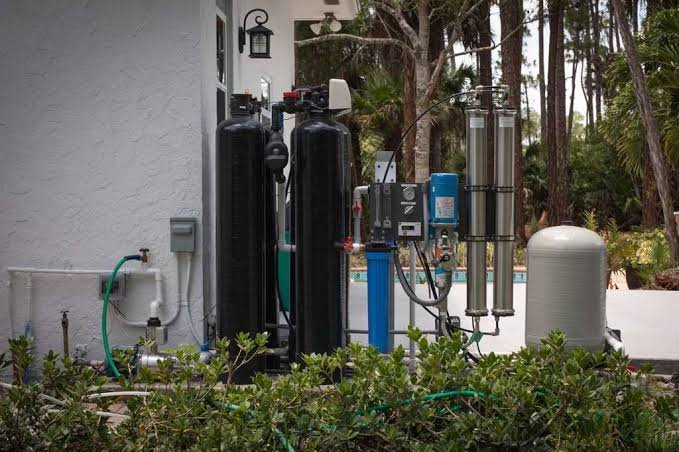
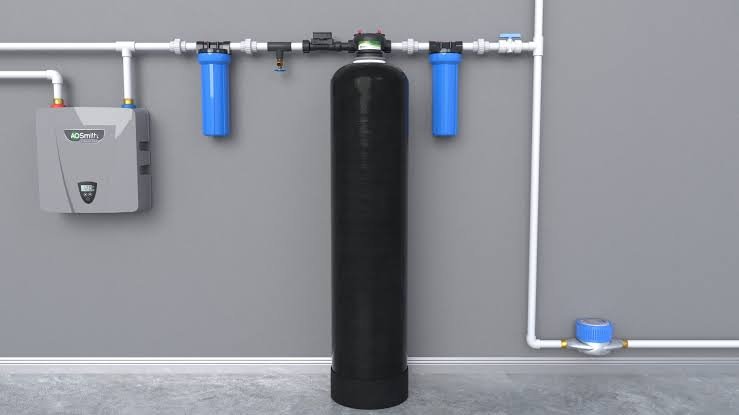
Modern well water treatment systems are designed to target specific challenges, including sediment, hardness, bacteria, chemicals, and unpleasant odors. These systems can range from whole-house filters to specialized solutions such as ultraviolet purification, reverse osmosis drinking systems, or iron removal equipment.
The right system depends on your water test results, household needs, and long-term goals. A family with young children may have different priorities compared to someone mainly trying to protect plumbing fixtures or improve taste. Taking the time to choose properly can prevent wasted money on equipment that does not solve the real issue.
Why Regular Water Testing Matters
Many homeowners only think about their well water after noticing a problem. Maybe the water starts smelling unusual, the bathtub develops stains, or the coffee tastes different. But waiting for warning signs is not always the best approach.
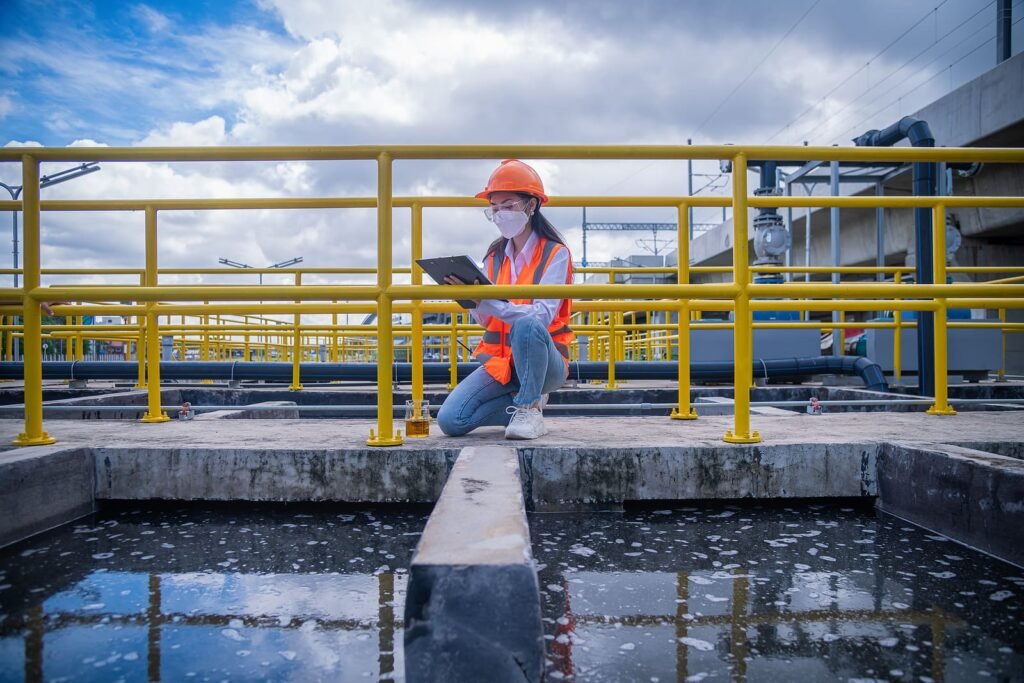
Regular testing helps you stay ahead of possible concerns. It can reveal changes in mineral levels, bacterial activity, or other conditions that may develop slowly over time. Seasonal testing can also be helpful because groundwater conditions may shift after storms, flooding, or changes around your property.
Related readingWhat You Should Know About Whole-Home Water Filtration
A simple drinking water quality can be a practical first step for homeowners who want to understand what is happening with their supply. It provides valuable information without requiring a major commitment and helps create a starting point for improving water quality.
Improving Your Home’s Water Experience
Good water affects more than just what you drink. Hard water can shorten the life of water heaters, washing machines, and plumbing fixtures. Excess minerals may leave buildup on faucets and shower doors. Odors and unusual tastes can make people avoid drinking tap water, even when the water is otherwise safe.
Improving free water test can make everyday activities more enjoyable. Cooking with better-tasting water, having softer laundry, and enjoying cleaner showers are small changes that can make a noticeable difference in daily life.
For many families, the biggest benefit is peace of mind. Knowing that your water has been tested and properly treated removes the uncertainty that often comes with owning a private well.
Maintenance Keeps Your Water System Working Properly
Installing a treatment system is only part of the process. Like any equipment in your home, water treatment systems need proper maintenance. Filters may need replacement, tanks may require inspections, and certain components should be checked periodically.
Related readingA Practical Guide to Better Water Without Overspending
Ignoring maintenance can reduce performance and may allow problems to return. A well-maintained system works more efficiently and protects your investment over the long term.
It’s also a good idea to keep records of testing results and service dates. These details can help identify patterns and make future decisions easier, especially if water conditions change.
A Cleaner Water Future Starts With Awareness
Private well ownership comes with both benefits and responsibilities. While you have control over your own water source, you also need to take an active role in protecting it. Understanding your water, testing it regularly, and selecting suitable treatment options can create a healthier and more comfortable home environment.
Related readingMaking Sense of Well Water Issues and Finding the Right Solution for Your Home
Clean water does not happen by accident. It begins with awareness, smart decisions, and a willingness to look beyond what is visible. When homeowners take the time to understand their well, they gain more than better water — they gain confidence in the place they call home.