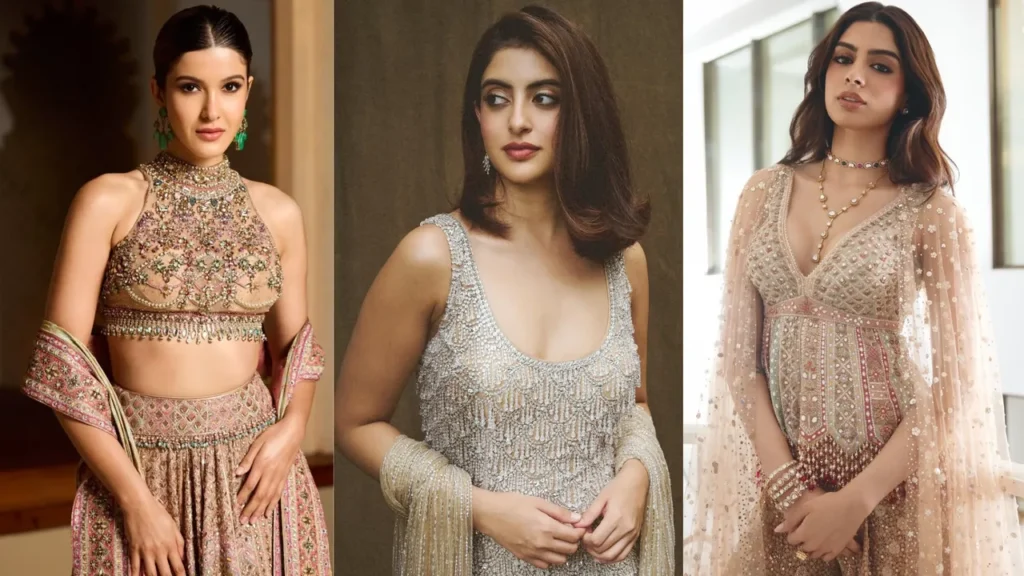
There was a time when luxury, at least in the popular imagination, meant being seen. Big logos, bold prints, unmistakable branding—the kind that made sure everyone in the room knew exactly what you were wearing. It was loud, confident, and sometimes, a little over the top.
But something has shifted. Not dramatically, not overnight—but enough to notice. The conversation around fashion and luxury is getting softer, more intentional. It’s less about showing off and more about knowing what you’re wearing, and why.
When Subtlety Starts to Speak
The idea of “quiet luxury” isn’t entirely new. It has always existed in certain circles—those who preferred craftsmanship over branding, quality over trend cycles. But recently, it’s stepped into the spotlight, oddly enough, by doing the opposite of seeking attention.
Related readingClothes Without Labels: Rethinking Fashion in a Changing India
Instead of logos, you notice textures. Instead of flashy colors, muted tones. Tailoring becomes the hero. Fabric becomes the story.
It’s the kind of style that doesn’t try too hard, and maybe that’s exactly why it works.
Quiet luxury trend kya hai aur India me kaise adopt ho raha hai?
At its core, quiet luxury is about understated elegance. It’s choosing a well-made linen shirt over a logo-heavy tee, investing in a classic leather bag instead of chasing seasonal designs, or simply wearing something that feels timeless rather than trendy.
Related readingThe Quiet Comeback of Secondhand Style in India
In India, this shift is unfolding in an interesting way. Traditionally, Indian fashion has embraced vibrancy—rich colors, intricate embroidery, bold silhouettes. And that’s not going anywhere. But alongside it, a more minimal, refined aesthetic is quietly gaining ground.
Urban professionals, especially younger buyers, are leaning toward pieces that feel versatile and long-lasting. There’s a growing appreciation for neutral palettes, clean cuts, and fabrics that age well.
It’s not about abandoning tradition—it’s about blending it with a more restrained, global sensibility.
Related readingEthical Luxury: Inside Lily Arkwright Lab Created Alexandrite Rings
The Influence of Culture and Media
Part of this shift can be traced back to global exposure. Streaming platforms, social media, and fashion influencers have made international trends more accessible than ever. Shows and personalities that celebrate understated wealth have subtly influenced how people perceive luxury.
But what’s interesting is how this idea is being localized. In India, quiet luxury isn’t just about Western minimalism. It’s also about rediscovering traditional craftsmanship—handwoven fabrics, artisanal techniques, pieces that carry a story without needing a label.
A simple khadi kurta, tailored well, can feel just as luxurious as a designer outfit—maybe even more.
Related readingLily Arkwright Earrings for Every Occasion
Buying Less, Choosing Better
Another reason behind the rise of quiet luxury is a growing awareness around consumption. Fast fashion fatigue is real. People are starting to question how often they buy, what they buy, and why.
Instead of filling wardrobes with impulse purchases, there’s a gradual move toward building a collection of pieces that last. Clothes that don’t go out of style in a season. Accessories that don’t need replacing every few months.
It’s not just about aesthetics—it’s about mindset.
The Role of Indian Brands
Interestingly, several Indian brands are embracing this philosophy. They’re focusing on quality, sustainability, and design that doesn’t scream for attention.
Related readingThe Graceful Teardrop: Mastering the Look of Pear Cut Diamonds
You’ll find labels experimenting with earthy tones, natural fabrics, and silhouettes that feel effortless. The emphasis is on how a piece feels, how it fits into your life—not just how it looks on a hanger.
This approach resonates with a certain segment of consumers who are tired of chasing trends and are looking for something more grounded.
Not Without Its Contradictions
Of course, quiet luxury isn’t entirely free from irony. After all, it’s still luxury. The price tags can be high, and the accessibility limited. In some ways, it’s just a different way of signaling status—subtle, but still present.
There’s also the question of inclusivity. Can this trend truly become mainstream in a country as diverse as India, where affordability often plays a bigger role than aesthetics?
These are questions without easy answers.
A Personal Shift, Not Just a Trend
What makes quiet luxury interesting isn’t just the clothes—it’s the attitude behind them. It reflects a kind of confidence that doesn’t need validation. A comfort with simplicity.
You might notice it in small ways. Choosing a well-fitted shirt over something flashy. Repeating outfits without worrying about being seen in the same thing twice. Paying attention to fabric, to stitching, to how something feels against your skin.
It’s less about impressing others and more about aligning with yourself.
Final Thoughts
Trends come and go, as they always do. Quiet luxury might evolve, change shape, or even fade into something else over time. But the ideas it brings—mindful consumption, appreciation for quality, a shift toward subtlety—feel like they’re here to stay.
In India, where fashion has always been a blend of tradition and transformation, this movement adds another layer. Not louder, not bigger—just quieter.
And sometimes, quiet is exactly what stands out the most.