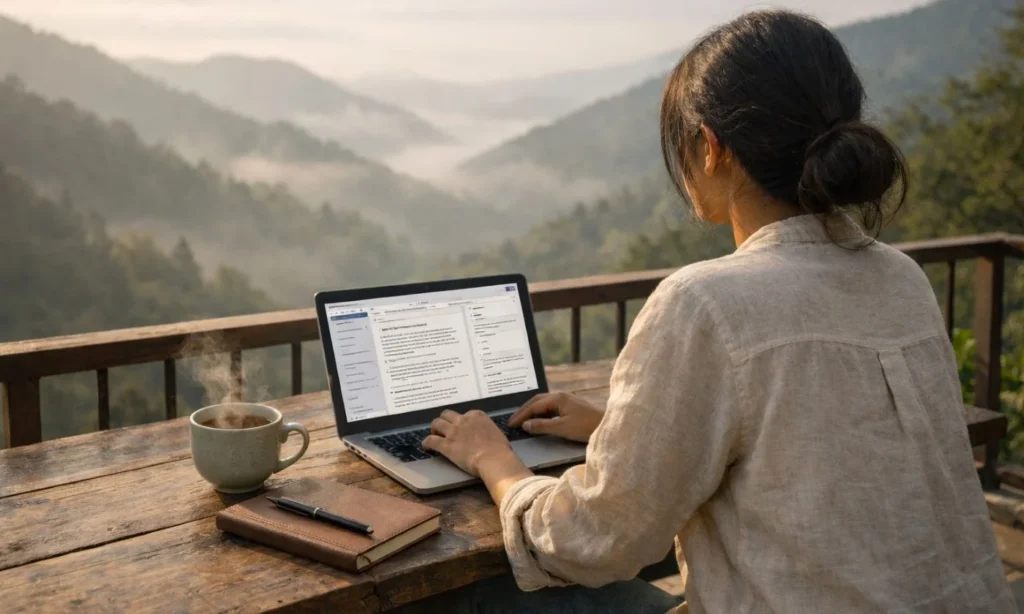
There’s something quietly thrilling about the idea of packing a bag and heading out alone. No fixed plans, no group decisions, no compromises—just you and the road, figuring things out as you go.
But let’s be honest for a second. The freedom of solo backpacking sounds romantic… until you start thinking about money. Budgeting, especially in a country as vast and varied as India, can feel overwhelming.
The good news? It doesn’t have to be.
Why Budget Planning Matters More Than You Think
When you travel solo, your budget becomes your safety net. It’s not just about saving money—it’s about giving yourself the freedom to keep going without constant stress.
Related readingTraveling Lightly: Finding Truly Sustainable Eco-Tourism in India
A well-planned budget doesn’t mean cutting corners on every experience. It means knowing where to spend, where to save, and how to stay flexible.
Because things will change. Plans always do.
Solo backpacking India me budget planning kaise kare step-by-step
It sounds like a big task, but if you break it down, it becomes surprisingly manageable.
Start with your total budget. Not what you wish you could spend, but what you’re realistically comfortable using for the entire trip.
Related readingNot Just a Vacation Anymore: How Workations Are Reshaping the Way India Works
Next, divide it into key categories—transport, accommodation, food, and experiences. This gives you a rough daily spending limit. You don’t have to stick to it perfectly, but it helps you stay aware.
Then comes destination research. India isn’t one uniform place—travel costs in Himachal or Goa will differ from cities like Delhi or Mumbai. Understanding local pricing helps avoid surprises.
And finally, keep a buffer. Always. Even if everything is planned, unexpected expenses have a way of showing up when you least expect them.
Choosing Destinations That Fit Your Budget
Not all places in India demand the same kind of spending.
If you’re on a tighter budget, consider destinations like Rishikesh, Hampi, McLeod Ganj, or Varanasi. These places offer affordable stays, local food options, and plenty to explore without spending too much.
On the other hand, places like Goa during peak season or certain hill stations can get expensive quickly. That doesn’t mean you should avoid them—but timing and planning become more important.
Sometimes, the smartest move isn’t skipping a place. It’s visiting it differently.
Accommodation: Comfort vs Cost
This is where most of your budget tends to go.
Hostels are usually the go-to for backpackers. They’re affordable, social, and often located in convenient areas. Dorm beds can range from ₹300 to ₹800 depending on the location.
Guesthouses and budget hotels are another option if you prefer privacy. Slightly more expensive, but still manageable if you plan ahead.
And then there’s the occasional splurge. Maybe a nicer stay after a long journey. It’s okay. Budgeting isn’t about saying no to everything—it’s about choosing wisely.
Food: Where You Can Save Without Missing Out
One of the best things about traveling in India is the food. It’s diverse, flavorful, and often very affordable.
Street food and local eateries are your best friends here. A filling meal can cost as little as ₹50–₹150 in many places. Plus, it gives you a more authentic experience than sticking to cafes or restaurants aimed at tourists.
That said, it’s good to be mindful of hygiene. Not every stall is worth the risk, especially if you’re traveling long distances.
Balance is key. Try local, but listen to your instincts.
Getting Around Without Overspending
Transport can either stretch your budget or break it—it depends on how you approach it.
Trains are one of the most economical ways to travel across India. Sleeper class tickets are incredibly affordable, though not always the most comfortable. For longer journeys, 3AC can be a good middle ground.
Buses are another option, especially for shorter routes. And in cities, auto-rickshaws, local buses, or even walking can save you a lot compared to taxis.
Booking in advance helps, but leaving some room for spontaneity keeps the journey interesting.
The Unexpected Costs (They Will Happen)
No matter how carefully you plan, there will be moments you didn’t account for.
A missed train. A last-minute hotel booking. Maybe even a medical expense.
This is where your buffer budget becomes essential. It’s not wasted money—it’s peace of mind.
And honestly, it’s what allows you to handle hiccups without panic.
Experiences That Don’t Cost Much (But Stay With You)
Some of the best travel moments don’t come with a price tag.
Watching a sunset in the mountains. Walking through a quiet market in the early morning. Having a random conversation with a stranger who shares a story you’ll remember for years.
It’s easy to get caught up in paid activities—tours, tickets, experiences. But don’t overlook the simple things. They often end up being the most meaningful.
Final Thoughts
Solo backpacking in India isn’t about having the perfect plan. It’s about having enough structure to feel secure, and enough flexibility to explore freely.
Your budget isn’t a restriction—it’s a guide. It helps you make decisions, but it shouldn’t stop you from enjoying the journey.
There will be days when you spend more than expected. Days when you spend almost nothing. Both are part of the experience.
So pack light, plan smart, and leave a little room for the unexpected.
Because sometimes, the best parts of travel are the ones you never planned for in the first place.