The Unique Relationship Between a Home and Its Water
There’s something appealing about living in a home that relies on well water. For many homeowners, it feels a little more independent. You’re not connected to a large municipal system, and there’s often a sense of self-reliance that comes with having your own water source.
At the same time, well water comes with responsibilities that city water users don’t always think about. The water flowing from a private well reflects the conditions beneath the ground around your property. That means its characteristics can vary over time, influenced by geology, weather patterns, seasonal changes, and environmental factors.
Most of the time, everything works just fine. But every so often, homeowners notice changes that spark questions. A different taste. An unusual odor. Stains that seem impossible to scrub away. That’s usually when curiosity turns into action.
Related readingMaking Sense of Well Water Issues and Finding the Right Solution for Your Home
Every Well Has Its Own Story
One thing many first-time well owners discover is that no two wells are exactly alike.
A neighbor’s water may taste completely different despite living only a few hundred feet away. Another household might struggle with mineral buildup while yours doesn’t seem affected at all.
That’s because groundwater interacts with the rocks, soil, and natural materials it encounters underground. These interactions shape the water’s composition long before it reaches a faucet.
Related readingWhy Your Water Doesn’t Taste Right—and What You Can Do About It
This variation is normal, but it also explains why water concerns can be highly specific to individual properties.
Understanding your well water starts with recognizing that it has its own personality, shaped by the environment beneath your feet.
Why Small Changes Deserve Attention
Human beings are surprisingly adaptable. We get used to things.
Related readingBetter Water Starts With Knowing What’s Actually in It
A slight metallic taste becomes familiar. An occasional odor feels normal after a while. Mineral stains blend into the background of everyday life. Before long, issues that would have seemed unusual years ago simply become part of the routine.
The challenge is that these small changes often provide valuable clues about what’s happening within a water system.
Paying attention doesn’t mean becoming alarmed. It simply means staying aware. Water has a way of communicating when conditions shift, and homeowners who notice those signals early are often better positioned to address concerns before they become larger problems.
Related readingWhy Knowing What’s in Your Water Matters More Than You Think
Common Challenges Found in Well Water
Because groundwater naturally interacts with minerals and organic materials underground, certain issues appear more frequently in private wells.
Hardness minerals, sediment, iron, sulfur compounds, and naturally occurring elements can all influence water quality. In some cases, these characteristics affect only taste or appearance. In others, they may contribute to maintenance issues involving plumbing fixtures and household appliances.
The important thing to remember is that many well water concerns are manageable once properly identified.
Related readingWhat Your Water Might Be Telling You: The Importance of Testing Before Choosing a Treatment Solution
The key is understanding the source of the issue rather than guessing at solutions.
When Water Starts Affecting Daily Life
Water problems become more noticeable when they begin interfering with everyday routines.
Perhaps the laundry develops discoloration. Maybe dishes come out of the dishwasher looking cloudy. Sometimes shower fixtures accumulate buildup faster than expected.
These inconveniences don’t always indicate serious problems, but they can affect comfort and household efficiency over time.
For many homeowners, the decision to investigate their water quality begins not because of a health concern, but because of these ongoing frustrations that slowly become impossible to ignore.
The Importance of Testing Before Taking Action
One mistake people occasionally make is trying to solve a water issue before understanding its cause.
Water symptoms can be surprisingly deceptive. Similar-looking stains or odors may result from completely different conditions. Installing equipment without accurate information sometimes leads to wasted money and disappointing results.
Testing provides clarity. It identifies the characteristics present in the water and helps determine whether any action is necessary.
That information creates a foundation for better decision-making and helps homeowners avoid relying on assumptions.
Why Proper Treatment Matters
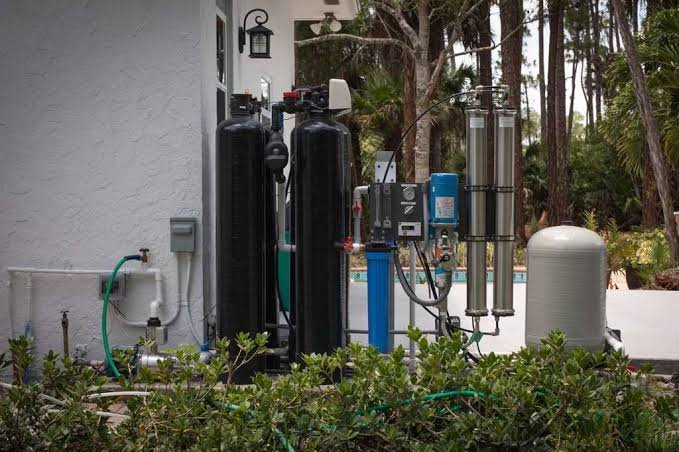
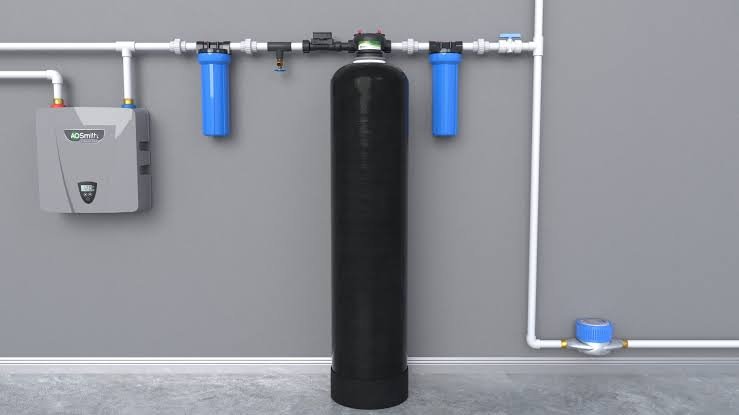
Once water characteristics are understood, appropriate well water treatment can make a significant difference.
Modern treatment technologies are capable of addressing a wide range of conditions while preserving the qualities homeowners appreciate about their water. The goal isn’t to change everything. It’s to improve the aspects that create inconvenience or concern.
A properly designed treatment approach can enhance taste, reduce maintenance issues, and improve overall household comfort.
Perhaps most importantly, it creates confidence. Knowing your water has been evaluated and properly managed offers a level of reassurance that’s difficult to put a price on.
Addressing Mineral and Odor Issues
Among the most common concerns reported by well owners are staining and unpleasant odors.
In many situations, iron and sulfur removal becomes an important part of improving water performance. Iron can leave reddish-brown stains on sinks, tubs, and clothing, while sulfur compounds may contribute to the familiar “rotten egg” smell that some homeowners encounter.
Neither issue is particularly uncommon in groundwater systems. Fortunately, both can often be addressed effectively through targeted treatment methods.
The first step is understanding exactly what’s causing the symptoms. Once identified, solutions become far more straightforward.
When a Well Needs Extra Attention
Sometimes homeowners refer to their supply as problem well water after years of dealing with recurring frustrations.
The phrase sounds dramatic, but it’s often less serious than it appears. In many cases, the water source itself isn’t the problem. Rather, the issue lies in specific characteristics that have never been properly evaluated or addressed.
What feels like a complicated water challenge may ultimately have a relatively simple explanation and solution.
That’s one reason professional testing and consultation can be so valuable. They transform uncertainty into understanding.
Looking Beyond Immediate Fixes
One of the best approaches to managing well water is thinking long term.
Instead of reacting only when issues become noticeable, many homeowners choose to monitor water quality periodically and maintain treatment systems consistently. This proactive mindset often helps prevent future surprises.
Water conditions can evolve over time due to environmental changes, seasonal fluctuations, and aging infrastructure. Staying informed allows homeowners to adapt when necessary rather than scrambling to respond after problems arise.
It’s a practical approach that supports both household comfort and long-term system performance.
The Bottom Line
Living with well water offers many benefits, but it also requires a bit more awareness than relying on a municipal supply. Fortunately, understanding your water doesn’t have to be complicated.
By paying attention to changes, conducting periodic testing, and addressing concerns with targeted solutions, homeowners can enjoy reliable, high-quality water for years to come.
The truth is that most well water challenges are not mysteries. They simply require information, patience, and the right approach. And once those pieces come together, the rewards can be felt in nearly every corner of the home—from the kitchen sink to the morning shower and everywhere in between.