There is something quietly frustrating about water that almost tastes right, but not quite. You fill a glass from the tap, take a sip, and there it is — a faint chemical note, a flat aftertaste, maybe even a smell that reminds you of a swimming pool. It is not always terrible, but it is enough to make you reach for bottled water.
For many homeowners, water issues begin this way. Not with a dramatic emergency, but with small daily annoyances. Spots on dishes. Dry-feeling skin after showers. Laundry that never feels as soft as it should. Coffee that tastes slightly off. Over time, these things become part of the house, even though they do not have to be.
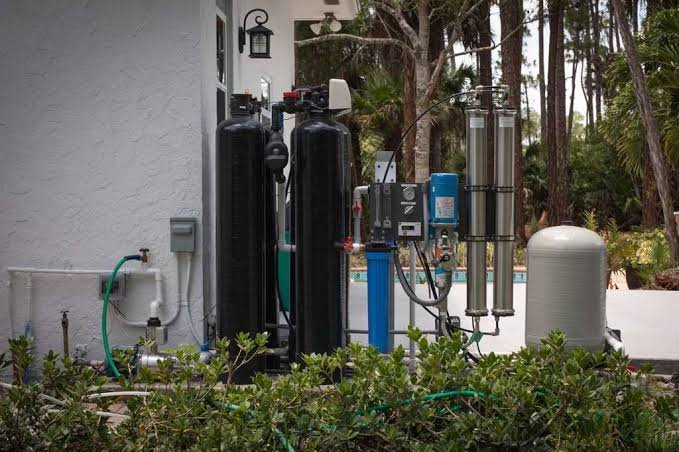
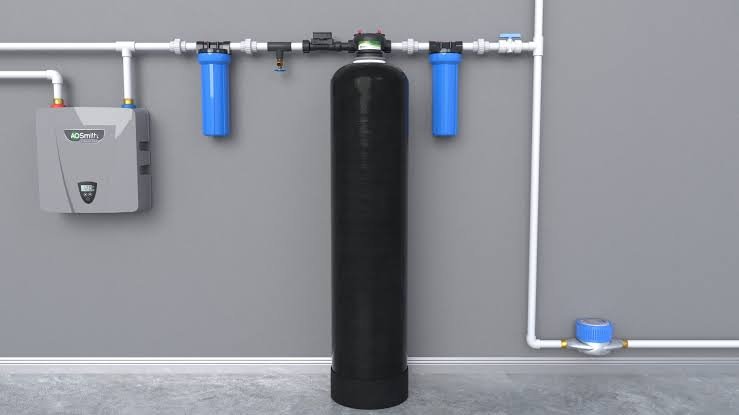
That is where whole-home water filtration can make a practical difference. Instead of treating only one faucet, a whole-home system is designed to improve water as it enters the house, helping every tap, shower, appliance, and fixture receive better-quality water.
Why One Faucet Filter May Not Be Enough
Under-sink filters and pitcher filters can be helpful, especially for drinking water. But they only treat the water at one location. The rest of the home still receives untreated water, including the water heater, washing machine, dishwasher, bathroom fixtures, and showers.
Related readingBetter Water Throughout the Home Starts Before the Faucet
That matters because water affects much more than drinking. It touches your skin, clothes, dishes, pipes, and appliances. If the water has chlorine taste, sediment, hardness, odors, or other issues, those problems may show up throughout the home.
A whole-home approach can be especially useful when the concern is not limited to the kitchen sink. If showers smell unpleasant, laundry feels rough, fixtures build up residue, or multiple taps taste odd, treating water at the entry point often makes more sense.
The Taste Problem Homeowners Notice First
Taste is personal. Some people are sensitive to even a slight chemical flavor in water, while others only notice it in coffee or tea. But once you notice it, it is hard to ignore.
Related readingWhat You Should Know About Whole-Home Water Filtration
Many families want clean great-tasting water because they are tired of buying bottled water, changing pitcher filters constantly, or apologizing when guests ask if the tap water is okay. Good-tasting water makes simple things better — drinking, cooking, ice, coffee, tea, even soup.
Depending on the source water, improving taste may involve carbon filtration, sediment reduction, conditioning, reverse osmosis at a drinking tap, or a combination of systems. The right choice depends on what is causing the taste issue in the first place.
What Causes That Chemical Smell?
Municipal water is often treated before it reaches homes, and that treatment is important for public safety. But some homeowners notice a chemical smell or flavor from disinfectants used in the water supply.
For many, chlorine taste/odor is the main complaint. It can make water less enjoyable to drink and may affect the flavor of coffee, tea, ice, and cooking. Some people also notice it more strongly in hot showers, where odors can feel more noticeable in steam.
Activated carbon filtration is commonly used to reduce chlorine-related taste and odor. In a whole-home system, carbon can help improve water throughout the house rather than only at one faucet. For homeowners who want extra polishing for drinking water, a dedicated drinking water system may still be added at the kitchen sink.
Related readingBetter Water Starts With Knowing What’s Actually in It
Filtration Is Not Just About Drinking Water
Better water can change small daily routines. Showers may feel fresher. Hair and skin may feel less dry. Towels and clothing may rinse cleaner. The smell from hot water may be less noticeable. Fixtures may look better between cleanings.
Of course, not every issue is solved by the same filter. If hardness is the main problem, a softener or conditioner may be needed. If sediment is present, pre-filtration may be required. If iron or sulfur is involved, specialty treatment may be necessary. Whole-home filtration works best when it is designed around the actual water conditions.
That is why testing is so important. Without it, homeowners may buy a filter that improves one symptom but leaves the bigger problem untouched.
Related readingA Practical Guide to Better Water Without Overspending
The Role of Water Testing
A good water test helps identify what is in the water and how severe the issue is. It may check for hardness, chlorine, pH, iron, manganese, sediment, total dissolved solids, odor concerns, and other common factors. For private wells, bacteria and safety-related testing may also be recommended.
Testing turns vague complaints into useful information. “The water tastes weird” becomes a clearer conversation. Is it chlorine? Minerals? Sulfur? Old plumbing? High dissolved solids? Once the cause is known, the treatment plan becomes much easier to build.
This also helps avoid overspending. Not every home needs a complicated system. Some need simple carbon filtration. Others need filtration plus softening. Some need drinking water treatment in addition to whole-home protection.
Related readingWhy Carbon Filtration Has Become a Trusted Choice for Better-Tasting, Cleaner Water
Protecting Fixtures and Appliances
Water quality can quietly affect appliances and plumbing. Sediment can clog screens and valves. Hardness can create scale in water heaters and dishwashers. Chlorine and other water conditions may affect taste, smell, and overall comfort. Over time, poor water quality can make appliances work harder and cleaning more frustrating.
When filtration is installed where water enters the home, it can help reduce certain issues before they spread through the plumbing. This may support better appliance performance and make daily cleaning easier.
Again, the exact benefits depend on the system design. A whole-home carbon filter has a different purpose than a softener, sediment filter, or reverse osmosis system. The best results usually come from matching the equipment to the water.
Whole-Home and Drinking Water Systems Can Work Together
Some families want better water everywhere, plus extra-polished drinking water. That is completely reasonable. A whole-home filter can improve water throughout the house, while an under-sink reverse osmosis or other point-of-use system can provide dedicated drinking water at the kitchen tap.
This layered approach is often more effective than expecting one device to do everything. The whole-home system handles broad household concerns, while the drinking water system focuses on taste, clarity, and cooking needs.
It is a bit like cleaning the whole house and then giving the kitchen counter one final wipe. Both have their place.
Maintenance Should Be Simple and Realistic
Every filtration system needs maintenance. Carbon filters eventually become exhausted. Sediment filters need replacement or backwashing. Softener salt needs checking. Drinking water cartridges and membranes need periodic changes.
A good system should be sized properly so maintenance is manageable. If a filter clogs constantly, the home may need a different pre-filter or a better understanding of the water source. If taste returns quickly, the filter may be overloaded or past its service life.
Water treatment should make life easier, not become another weekly headache.
Water That Feels Right Every Day
Better water is not just about removing something unpleasant. It is about making the home feel more comfortable. It is about enjoying a glass from the tap, cooking without odd flavors, showering without a chemical smell, and trusting the water that runs through the house.
The right filtration plan starts with understanding the water, then choosing equipment that fits the home’s actual needs. Sometimes that solution is simple. Sometimes it is layered. Either way, the goal is the same: water that tastes cleaner, smells fresher, and works better in everyday life.
And once your water feels right, you notice it less. That may be the best compliment a water system can get.