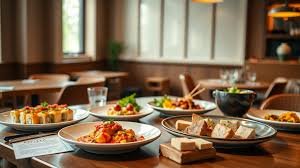
There’s a particular kind of comfort in sitting down at a restaurant. The clink of cutlery, the low hum of conversations, the anticipation of a dish arriving just right. It’s an experience—something that goes beyond food.
And yet, over the past few years, that experience has been quietly challenged. Not replaced, but reimagined. Enter cloud kitchens—those behind-the-scenes operations that exist without dining tables, without waiters, sometimes without even a visible storefront.
They don’t serve ambience. They serve efficiency.
The Rise of the Invisible Kitchen
Cloud kitchens didn’t suddenly appear out of nowhere, but the pandemic certainly accelerated their growth. With dining rooms shut and delivery apps booming, many restaurants pivoted—or started fresh—by focusing purely on takeaway and delivery.
Related readingBehind the Screens: How Dark Kitchens Are Quietly Rewriting the Food Business
Platforms like Zomato and Swiggy made it easy for customers to order from brands they’d never physically see. And for entrepreneurs, the math started to make sense.
No rent-heavy prime locations. Smaller teams. Lower upfront investment. It felt lean, almost… logical.
Why Cloud Kitchens Appeal to New Entrepreneurs
Starting a traditional restaurant has always been a high-risk game. Between real estate costs, staffing, interiors, and licensing, the initial investment can be daunting.
Related readingPop Up Dining Experience Events Made Memorable
Cloud kitchens flip that equation. You can operate out of a compact space, test multiple cuisines under different brand names, and adapt quickly based on demand. If one concept doesn’t work, you tweak it—or shut it down—without the baggage of a physical dining space.
For many first-time founders, this flexibility is a huge advantage.
Cloud kitchens vs dine-in restaurants: kaunsa model future-proof hai?
It’s tempting to frame this as a competition, but the reality is more nuanced.
Cloud kitchens are built for speed, scalability, and cost efficiency. They align perfectly with changing consumer habits—especially in urban areas where convenience often trumps experience. Late-night cravings, quick lunches, weekend binge orders—they all fit neatly into the cloud kitchen model.
Related readingBack to the Basics: Why Millets Are Quietly Returning to Indian Plates
Dine-in restaurants, on the other hand, offer something cloud kitchens simply can’t replicate: atmosphere. Celebrations, dates, family dinners—these moments need a space, a setting, a sense of occasion.
So when we ask which model is future-proof, the answer might not be one or the other. It’s about how each adapts to evolving expectations.
The Customer Has Changed
Today’s consumer is unpredictable—in the best way. The same person might order biryani at midnight from a cloud kitchen and book a table at a fine-dining restaurant the next evening.
Convenience matters, but so does experience. Price sensitivity plays a role, but so does emotional value.
This duality is shaping how food businesses operate. It’s no longer enough to be good at one thing. You need to understand when your customer wants speed, and when they want to slow down.
Challenges on Both Sides
Cloud kitchens, despite their advantages, aren’t without challenges. Visibility is a constant battle. Without a physical presence, you rely heavily on app algorithms, ratings, and digital marketing.
Margins can be tight too. Delivery platforms take commissions, packaging costs add up, and competition is fierce. You’re often one scroll away from being replaced by another option.
Dine-in restaurants face their own set of hurdles. High operational costs, staffing issues, and fluctuating footfall can make sustainability tricky. One bad season, one unexpected disruption—it can hit hard.
Hybrid Models: The Middle Ground
Interestingly, many businesses are no longer choosing between the two—they’re combining them.
Restaurants are launching cloud kitchen extensions to cater to delivery audiences, while cloud kitchens are experimenting with small dine-in spaces or pop-up experiences. This hybrid approach allows brands to diversify revenue streams and reduce risk.
It’s not about picking a side anymore. It’s about building resilience.
The Role of Technology and Data
Technology is quietly shaping the future of both models. Data analytics helps cloud kitchens understand ordering patterns, optimize menus, and predict demand. Dine-in restaurants are using tech to enhance reservations, personalize experiences, and streamline operations.
In both cases, decisions are becoming more informed, less instinct-driven.
And that’s a good thing.
Final Thoughts
If you step back and look at the bigger picture, the debate between cloud kitchens and dine-in restaurants isn’t really about which one will win. It’s about how the food industry is evolving to meet different kinds of needs.
Some days, you want the ease of ordering in—no fuss, no wait. Other days, you want the ritual of dining out, the shared experience, the memory that lingers after the meal.
Both models have a place. Both will continue to grow, adapt, and coexist.
Because at the end of the day, food isn’t just about sustenance. It’s about how we choose to enjoy it—and that choice is more flexible than ever.