The Water We Use Every Day Deserves a Second Look
Most of us don’t spend much time thinking about water. We wake up, brush our teeth, brew coffee, fill a reusable bottle, and move on with our day. Water is simply there when we need it. It’s one of those everyday conveniences that quietly works in the background.
But every so often, something changes.
Maybe the water tastes a little different than usual. Perhaps you’re tired of hauling cases of bottled water home from the grocery store. Or maybe you’re simply becoming more curious about what flows through your taps every single day.
Those questions are becoming increasingly common. Homeowners today are more informed than ever, and many are taking a closer look at the quality, taste, and reliability of their household water. It’s not necessarily driven by fear or concern. In many cases, it’s simply about comfort, convenience, and wanting a little more control over an essential part of daily life.
Related readingBetter Water Starts With Knowing What’s Actually in It
Water Quality Affects More Than We Realize
When people hear the phrase “water quality,” they often think only about drinking water. While that’s certainly important, water impacts far more than what’s poured into a glass.
It influences cooking, coffee, tea, ice makers, and even the flavor of foods prepared at home. Anyone who has traveled to a different city and noticed their coffee tastes slightly different has already experienced this firsthand.
Water also affects household routines in subtle ways. From rinsing fruits and vegetables to preparing baby formula or filling pet bowls, we interact with water dozens of times throughout the day.
Related readingWhat Your Water Might Be Telling You: The Importance of Testing Before Choosing a Treatment Solution
The interesting thing is that most people don’t notice water when it’s performing well. They only become aware of it when something feels slightly off.
Why Convenience Matters
Let’s be honest. Buying bottled water can be a hassle.
It takes up storage space, adds recurring costs, and creates a surprising amount of plastic waste over time. Many households start purchasing bottled water because they prefer the taste or simply feel more confident about what they’re drinking.
Over time, however, carrying heavy cases from the store becomes less appealing.
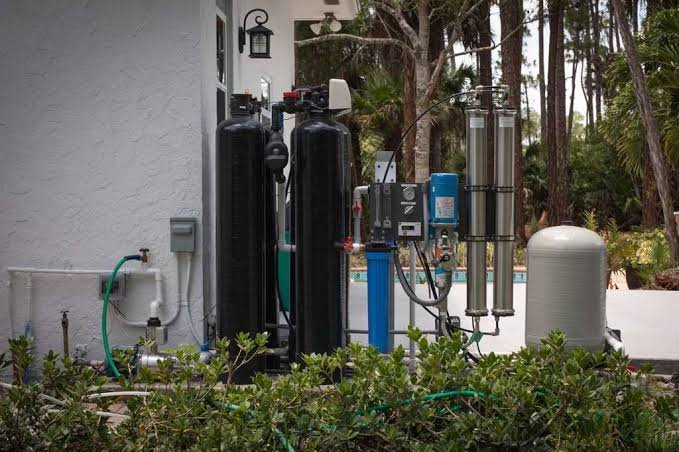
That’s one reason homeowners have become increasingly interested in drinking water systems designed specifically for residential use. These systems provide a dedicated approach to improving water at the point where families actually consume it most often.
For many households, the appeal isn’t complicated. It’s about having consistent access to water that tastes good without relying on endless trips to the store.
Related readingWhy Great-Tasting Water Is One of the Best Investments You Can Make for Your Home
The Search for Better-Tasting Water
Taste is surprisingly personal.
Some people barely notice differences in water. Others can immediately tell when something has changed. Chlorine levels, mineral content, and various naturally occurring substances can all influence flavor and odor.
While municipal treatment facilities work hard to provide safe water, safety and taste aren’t necessarily the same thing.
This distinction often motivates homeowners to explore treatment options. They aren’t necessarily trying to solve a major problem. They’re simply looking to improve their everyday experience.
Related readingWhy Carbon Filtration Has Become a Trusted Choice for Better-Tasting, Cleaner Water
After all, if you’re drinking several glasses of water each day, small improvements in taste can become meaningful over time.
The same principle applies to coffee, tea, soups, and countless other beverages and meals prepared at home.
Creating a Bottled-Water Experience at Home
One of the most common goals homeowners mention is achieving bottled-quality water without constantly purchasing bottles.
It’s easy to understand why.
Many people appreciate the clean taste associated with bottled water but dislike the ongoing expense and environmental impact. Home treatment systems offer an alternative that allows households to enjoy improved water quality directly from the tap.
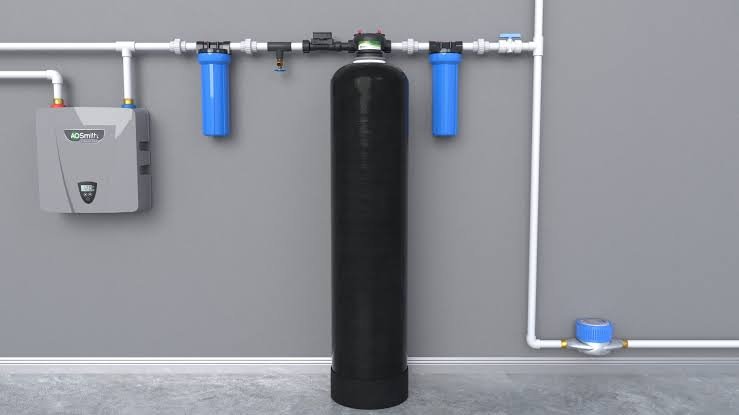
Related readingWhat You Should Know About Whole-Home Water Filtration
There’s also a convenience factor that’s hard to ignore. Instead of worrying about running out of bottled water, families can simply fill a glass whenever they need one.
For busy households, that simplicity often becomes one of the most appreciated benefits.
Understanding Point-of-Use Technology
Not every water treatment strategy needs to involve an entire home’s plumbing network.
In fact, many homeowners choose point-of-use systems that focus on specific locations where water is consumed most frequently. Kitchen faucets, drinking stations, and refrigerator water lines are common examples.
This targeted approach can be particularly appealing because it allows homeowners to address drinking and cooking water without modifying the entire household water supply.
It’s a practical solution for people who want to improve water quality in key areas while keeping things relatively simple.
Like most home improvement decisions, the best choice depends on individual goals, budget, and water conditions.
Water and Daily Comfort
Water quality isn’t always about measurable data or technical specifications.
Sometimes it’s about comfort.
It’s about enjoying a glass of cold water without questioning its taste. It’s about making coffee that tastes consistent every morning. It’s about knowing guests can fill a glass from the tap and enjoy it without hesitation.
These experiences may sound minor, but they contribute to the overall feeling of comfort within a home.
Many homeowners discover that once water quality improves, they think about it less—not more. The concerns fade into the background because the water simply performs the way they want it to.
And that’s often the goal.
Looking Beyond Drinking Water
While drinking water tends to receive the most attention, many households eventually explore broader water improvements as well.
Some homeowners install water softeners to address mineral-related concerns that affect cleaning, laundry, and bathing experiences. Others focus on maintaining plumbing and appliances by reducing conditions that contribute to buildup and wear over time.
These decisions often stem from the same underlying desire: creating a more efficient, comfortable, and reliable home environment.
Water may seem like a simple utility, but its impact extends throughout the entire household.
The more homeowners learn about it, the more connections they tend to notice.
Small Improvements Can Have Lasting Benefits
One of the most encouraging aspects of water treatment is that meaningful improvements don’t always require massive investments or complicated systems.
Sometimes a targeted solution addresses the exact concern a homeowner is experiencing. Other times, simple maintenance and routine water testing provide valuable insight that leads to better decision-making.
The key is understanding your specific situation rather than assuming every household needs