Water has a strange way of earning our trust. If it runs clear from the tap, most of us assume it’s fine. We fill a glass, make coffee, wash vegetables, bathe the kids, water the dog, and never give it a second thought. And honestly, that’s understandable. Nobody wants to treat every sip like a science experiment.
But the truth is a little less comfortable. Water can look perfectly normal and still carry things you’d rather not drink. Some problems leave stains, smells, or odd tastes. Others stay completely hidden unless you test for them. That’s what makes household water quality such a tricky subject. It’s not always dramatic. Sometimes it’s quiet, slow, and easy to miss.
Clear Water Doesn’t Always Mean Clean Water
One of the biggest mistakes homeowners make is judging water by appearance alone. Clear water can still contain minerals, gases, bacteria, metals, or chemical traces. It may taste fine too. That doesn’t automatically make it safe or ideal for long-term use.
Related readingBetter Water Starts With Knowing What’s Actually in It
This is especially true for homes using private wells. Unlike municipal water systems, which are usually monitored and treated regularly, well water depends heavily on local soil, rock layers, nearby land use, plumbing condition, and seasonal changes. A well that tested fine years ago may not be exactly the same today.
Water moves through the environment before it reaches your home. Along the way, it can pick up natural substances from underground formations or man-made pollution from farming, industry, old pipes, or runoff. Some of these issues are harmless annoyances. Others deserve much closer attention.
The Risk of Naturally Occurring Metals
One concern that often surprises people is arsenic. It can occur naturally in groundwater, especially in certain geological areas, and it does not always change the taste, smell, or colour of water. That’s what makes it so easy to overlook. You cannot reliably spot it with your eyes, and boiling water does not remove it.
Long-term exposure is the bigger worry here. People may drink the same untreated water for years without knowing there is a problem. That is why testing matters so much, particularly for well owners. A proper laboratory test can show whether levels are safe and whether a treatment system is needed.
Related readingWhy Knowing What’s in Your Water Matters More Than You Think
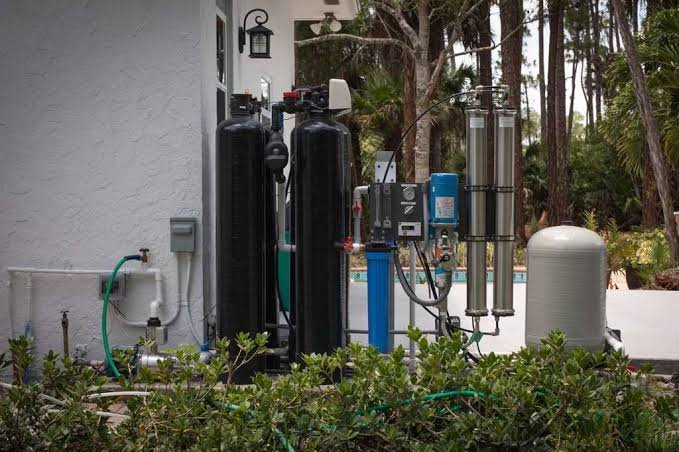
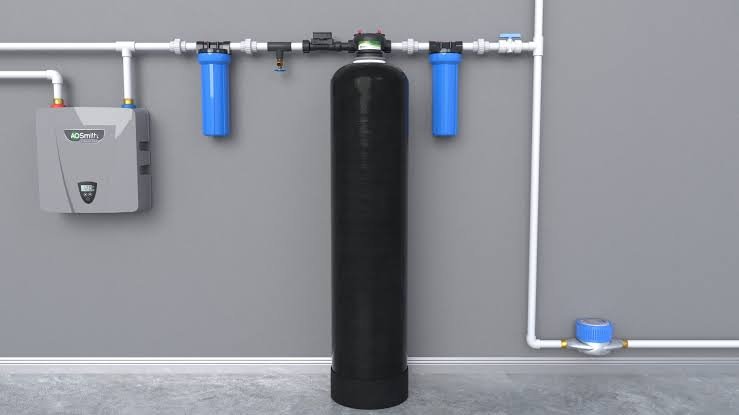
The good news is that solutions do exist. Reverse osmosis systems, specialized filters, and other treatment methods may reduce specific metals when chosen correctly. But the key phrase is “chosen correctly.” Guessing at water treatment is rarely a smart move.
When Gas Gets Into the Water
Some water issues feel stranger than others. Methane in water, for example, can sometimes be linked to natural underground conditions or nearby drilling activity, depending on the region. It may cause sputtering taps, bubbles, or unusual behaviour when water first flows out, though testing is the only dependable way to confirm what’s happening.
In many cases, methane in water is more of a safety and ventilation concern than a drinking-water taste issue. Because it is a gas, it can escape from water into indoor air under certain conditions. That’s why homeowners should take persistent bubbling, hissing, or unusual tap behaviour seriously instead of brushing it aside.
Treatment usually involves aeration or venting systems that allow gas to separate safely before water enters the home’s plumbing. Again, this is not the sort of thing to diagnose by smell or guesswork. Professional testing and advice are worth it.
Related readingUnderstanding Water Pollution and What It Means for the Water We Use
The Everyday Pollutants People Forget About
Not every water concern sounds dramatic. Some contaminants are more ordinary: sediment, iron, manganese, chlorine by-products, nitrates, bacteria, pesticides, or traces from aging pipes. These may show up through staining, bad taste, cloudy water, rotten-egg smells, or recurring stomach upset. Other times, there are no obvious signs at all.
Nitrates, for instance, can be a concern in agricultural areas. Bacteria may enter wells after flooding, damaged caps, or poor sealing. Lead can come from old plumbing materials. Iron and manganese may leave orange or black stains and make laundry look dingy. None of these problems should be treated with panic, but they also shouldn’t be ignored.
Water problems are often local. Two homes on the same road can have different results, especially if they use separate wells or have different plumbing systems.
Why Testing Should Come Before Treatment
It’s tempting to buy the first filter that promises “clean water” and hope for the best. Hardware store shelves are full of options, and most of them sound impressive. But a filter that works well for chlorine taste may do very little for metals. A sediment filter won’t solve bacteria. A water softener won’t remove every harmful substance.
Related readingWhy Better Drinking Water Starts Right at the Kitchen Tap
That’s why testing comes first. It tells you what you’re dealing with. Once you know the actual issue, you can choose a system that matches the problem instead of wasting money on guesswork.
A good water test may check for bacteria, nitrates, pH, hardness, iron, manganese, lead, total dissolved solids, and region-specific concerns. For private wells, annual testing is a sensible habit, with extra testing after flooding, nearby construction, or noticeable changes in taste, smell, or appearance.
Signs You Shouldn’t Ignore
Water doesn’t always wave a red flag, but there are clues. Sudden colour changes, oily films, persistent cloudiness, rotten-egg odours, metallic taste, black or orange staining, stomach issues after drinking water, and air spitting from taps all deserve attention.
Related readingA Practical Guide to Better Water Without Overspending
Sometimes the fix is simple. A dirty faucet aerator, an old water heater, or sediment in plumbing can cause visible problems. Other times, the source is deeper. The important thing is to notice patterns. Does it happen only with hot water? Only one tap? After heavy rain? Every morning? These details help narrow down the cause.
A Healthier Home Starts With Knowing
Clean water is one of those things that quietly supports daily life. You don’t think about it much until something feels wrong. But waiting for obvious warning signs is not always enough, especially when some water concerns stay invisible.
The practical approach is simple: test, understand, treat if needed, and maintain your system properly. It’s not about fear. It’s about being informed.
Good water gives a home a kind of calm. Coffee tastes better. Showers feel cleaner. Appliances work more reliably. And, maybe most importantly, you stop wondering what’s really coming out of the tap. That peace of mind is worth a little attention.