Water has a way of seeming simple. Turn the handle, fill the glass, rinse the apples, start the coffee. Most of us move through these little routines without much thought, because water is supposed to be trustworthy. Quiet. Ordinary. There when you need it.
But not every water problem announces itself with a bad smell, rust stain, or cloudy glass. Some concerns are invisible, and that is what makes them easy to overlook. arsenic in water is one of those issues homeowners may not think about until testing brings it to the surface. It does not usually change the taste in an obvious way. It may not smell strange. It can be present in water that looks perfectly clean.
And that is the uncomfortable part. Clear water is not always clean water.
Why Arsenic Can Show Up in Home Water
Arsenic is a naturally occurring element found in rocks, soil, and underground formations. In some places, groundwater can pick it up as it moves through the earth. That means private wells, especially in certain regions, may have arsenic without any nearby factory, spill, or obvious pollution source.
There can also be human-related sources, such as mining activity, industrial operations, older pesticides, or contaminated runoff. But for many homeowners, the issue starts underground, long before the water reaches a kitchen tap.
Related readingBetter Water Starts With Knowing What’s Actually in It
This is why two homes in the same county can have very different test results. One well may show little or no arsenic, while another nearby well may have levels that need treatment. Water does not follow property lines neatly. It moves through geology, and geology has its own quiet logic.
The Problem With Relying on Taste and Smell
Many common water issues are easy to notice. Hard water leaves scale. Iron leaves reddish stains. Sulfur creates that unpleasant rotten-egg smell. Arsenic is different. You generally cannot depend on your senses to detect it.
That makes testing the only reliable way to know what is going on. Not guessing. Not looking at the water in a clear glass. Not assuming the previous homeowner must have checked it. A lab test gives you actual information, and with something this important, actual information matters.
Related readingMaking Sense of Well Water Issues and Finding the Right Solution for Your Home
For families using drinking water from a private well, this becomes especially important. Public water systems are typically monitored under regulations, but private well owners are usually responsible for their own testing and treatment. It is not complicated, really, but it does require attention.
Why Long-Term Exposure Matters
Arsenic concerns are mostly about long-term exposure. A single glass of water is not usually the story. The bigger issue is drinking and cooking with contaminated water day after day, year after year. Over time, that exposure may increase health risks, which is why public health agencies take arsenic seriously.
This does not mean people should panic the moment they hear the word arsenic. Panic is rarely useful. But ignoring it is not wise either. The practical response is calm and straightforward: test the water, understand the result, and choose treatment if needed.
Some people avoid testing because they are afraid of what they might find. That is understandable, in a very human way. But not knowing does not make the problem disappear. It only delays the solution.
Related readingWhy Better Drinking Water Starts Right at the Kitchen Tap
Private Wells Need Regular Attention
Private wells are wonderful in many ways. They give homeowners independence and, in some areas, excellent water. But they also come with responsibility. Unlike municipal water, well water is not automatically checked at the treatment plant before reaching your home.
A good testing routine can include arsenic, bacteria, nitrates, hardness, pH, iron, manganese, and other common concerns. If there has been flooding, nearby construction, a change in taste, or repairs to the well system, additional testing may be smart.
And here is something people sometimes miss: a water softener does not remove every contaminant. It may help with hardness, but it is not the same as arsenic treatment. Different problems need different solutions.
Related readingThe Smarter Way to Keep Water Clean: Modern Disinfection Systems Explained
Treatment Should Match the Test Results
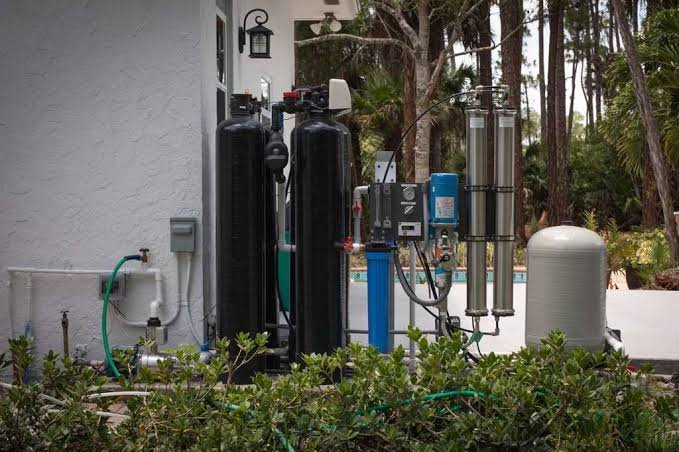
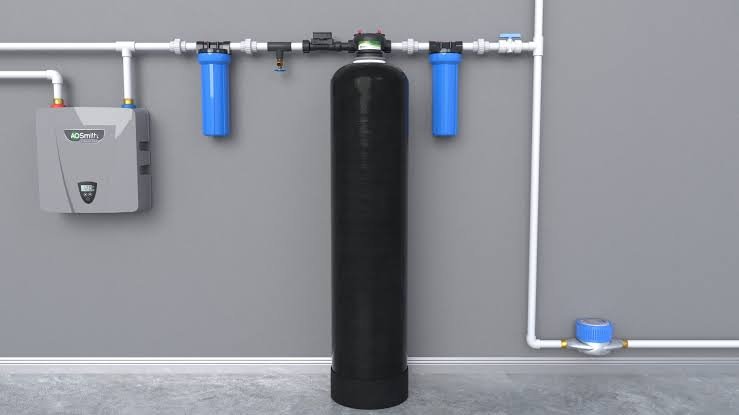
Once arsenic is confirmed, the next step is choosing the right treatment method. Depending on the water chemistry and arsenic level, options may include reverse osmosis, adsorption media, distillation, or other specialized systems. Some are designed for one tap, often the kitchen sink. Others may treat water for the whole home.
There is no one-size-fits-all answer. The best system depends on how much arsenic is present, whether the water has other issues, household usage, maintenance needs, and budget. A professional water specialist can help interpret test results and recommend a setup that actually fits the home.
This part matters because buying the wrong filter can create false confidence. A basic carbon filter may improve taste, but it may not reduce arsenic unless it is specifically designed and certified for that purpose.
Related readingWhat You Should Know About Whole-Home Water Filtration
Other Contaminants Can Be Present Too
Arsenic is important, but it is rarely the only thing worth checking. Water can carry minerals, bacteria, nitrates, sediment, metals, or chemical residues depending on the source. Some water contaminants affect taste and appearance, while others are harder to detect without testing.
That is why a broader water test can be useful, especially for well owners. If you are already testing for arsenic, it makes sense to get a fuller picture of the water system. Solving one issue while missing another can lead to frustration later.
A Sensible Way Forward
Good water care does not have to feel overwhelming. Start with awareness. Know where your water comes from. Check whether your home uses a private well or municipal supply. Review local water reports if they are available. Test when needed, especially if you have never tested before.
If results show arsenic or another concern, do not guess your way through treatment. Ask questions. Compare options. Look for systems that are tested for the specific problem you need to solve.
Water should be something you trust without thinking about it all day. That trust starts with knowing what is in it. Once you have the facts, the path forward becomes much clearer — and the glass of water on the counter feels simple again, just as it should.