Most of us don’t think about water until it gives us a reason to. It runs from the tap, fills the glass, rinses the dishes, goes into the coffee maker, and disappears down the drain. Pretty ordinary stuff. But when the taste changes, the smell feels a little sharp, or stains begin showing up around fixtures, suddenly water becomes a lot more interesting.
The truth is, water can look clean and still carry things you’d rather not have in your home. Minerals, disinfectants, sediment, metals, and other unwanted elements may be present in different amounts depending on where the water comes from and how it travels before reaching your faucet. That doesn’t always mean there’s an emergency. Still, it does mean homeowners should pay attention.
Good water is not just about being clear. It’s about taste, smell, safety, comfort, and how it affects everything it touches.
Related readingWhy Carbon Filtration Has Become a Trusted Choice for Better-Tasting, Cleaner Water
Why Tap Water Can Feel Different from Home to Home
Two homes on the same street can have slightly different water experiences. One family may complain about a strong chemical smell. Another may see cloudy glasses or dry skin after showers. A third might notice metallic-tasting water in the morning, especially from older plumbing.
That’s because water quality depends on many moving parts. Municipal treatment methods, local pipes, well conditions, old fixtures, seasonal runoff, and even home plumbing materials can all influence what comes out of the tap.
A glass of water might seem simple, but its journey usually isn’t.
Modern Filtration Is More Than a Basic Filter
Years ago, many people thought of filtration as a small pitcher in the fridge or a simple faucet attachment. Those can still be useful in some situations, of course. But today’s homeowners are often looking for something more complete, especially when water issues affect the whole house.
Related readingBetter Water Starts With Knowing What’s Actually in It
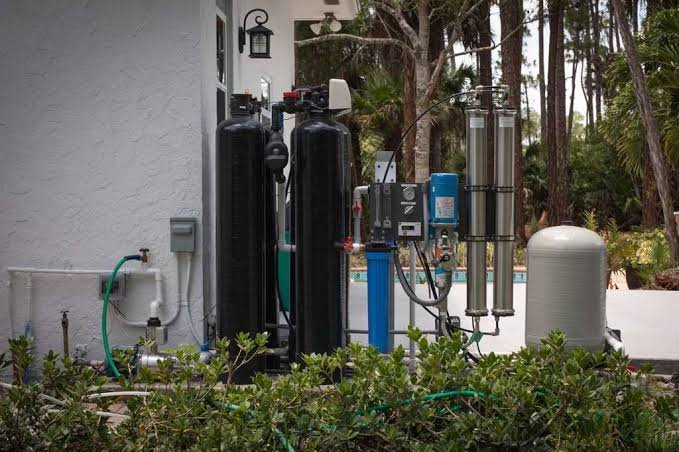
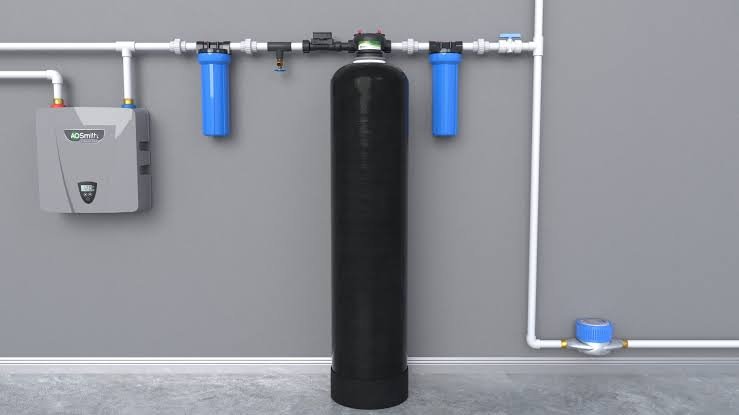
A state-of-the-art filtration system is designed to target specific water concerns with better efficiency, stronger performance, and more consistent results. Depending on the setup, it may reduce sediment, improve taste and odor, protect appliances, and help deliver cleaner water to multiple taps instead of just one drinking point.
The key is choosing a system based on actual water conditions, not guesswork. What works beautifully for one home may not solve the problem in another.
The Chlorine Taste Nobody Really Enjoys
Municipal water is commonly treated before it reaches homes, and disinfectants play an important role in helping control bacteria during distribution. That part matters. But sometimes, the leftover taste or smell can be unpleasant.
For many homeowners, chlorine removal becomes a priority when tap water smells like a swimming pool or changes the flavor of drinks and meals. You might notice it most in plain drinking water, tea, coffee, ice cubes, soup, or pasta. Warm showers can also make the smell more obvious.
While chlorine is often used for a practical reason, that doesn’t mean every household wants to taste or smell it every day. Carbon filtration is commonly used to reduce chlorine-related taste and odor, though the right option depends on how much is present and where you want treatment applied.
Related readingWhat You Should Know About Whole-Home Water Filtration
Metals in Water Are Worth Taking Seriously
Some water issues are easy to spot because they leave marks behind. Others are quieter. Metallic taste, staining, or concerns about old plumbing may lead homeowners to test for heavy metals and other unwanted contaminants.
Certain metals can enter water through natural deposits, industrial activity, aging pipes, or corrosion in plumbing systems. The concern is not always visible. That’s why testing matters so much. You can’t always smell or see what’s present, and guessing is not a reliable way to protect a household.
If test results show a concern, treatment options may include reverse osmosis, specialty filtration media, or whole-home systems depending on the contaminant and its level. The solution should match the problem closely.
Better Water Helps More Than Drinking
Cleaner water is often talked about in terms of drinking, but the benefits can reach further than the kitchen sink. Water touches laundry, skin, hair, dishes, fixtures, pipes, and appliances every day.
Related readingWhy Better Drinking Water Starts Right at the Kitchen Tap
When water contains excess sediment or minerals, appliances may work harder. Washing machines, dishwashers, water heaters, and coffee makers can all feel the effects over time. Even small improvements may reduce buildup, improve rinsing, and make everyday cleaning less frustrating.
Then there’s comfort. Showers feel different when water quality improves. Soap may rinse more easily. Skin may feel less dry. Hair may feel cleaner. These are small things, yes, but small things become big when they happen every day.
Testing Should Come Before Buying Anything
It’s tempting to buy the first filter that promises clean water. The packaging looks convincing, the reviews sound good, and the price may seem reasonable. But water treatment is not one-size-fits-all.
Related readingWhy Knowing What’s in Your Water Matters More Than You Think
Before choosing a system, a proper water test can identify what needs attention. It may check for hardness, chlorine, iron, pH, sediment, dissolved solids, metals, or other concerns depending on the water source. Private well owners especially should test regularly, because their water is not monitored in the same way as public water supplies.
Testing saves time and money because it helps you avoid treating the wrong problem. A filter that improves taste may not remove metals. A softener may reduce hardness but not address chemical odor. A sediment filter may catch particles but not correct contamination concerns.
Good decisions begin with real numbers.
The Right System Should Fit the Home
A small apartment, a large family home, and a rural property with well water may all need different solutions. Some homes only need drinking-water filtration at one tap. Others benefit from a whole-house system that treats water before it reaches showers, laundry, and appliances.
Maintenance also matters. Filters need replacement. Systems should be checked. Water conditions can change. A reliable setup is not just about installation; it’s about long-term performance.
The best water treatment plan feels practical, not complicated. It should solve real problems, fit daily use, and make life easier instead of becoming another chore.
Clean Water Brings Quiet Confidence
There’s something reassuring about filling a glass of water and not thinking twice. No strange smell. No odd taste. No nagging worry about what might be in it. Just water that feels right.
That’s really what good filtration is about. It’s not only a home upgrade or a technical system tucked away somewhere. It’s peace of mind in a very ordinary form — coffee that tastes better, showers that feel nicer, appliances that are better protected, and a household that feels a little more cared for.
Water may be easy to overlook, but it has a way of shaping daily comfort. When you understand what’s in it and treat it properly, the difference is not loud. It’s quieter than that. Cleaner. Smoother. Noticeable in the little moments that make a home feel well looked after.