There’s something easy to forget about household water: clear doesn’t always mean clean, and good taste doesn’t necessarily mean good quality. Water can look perfectly normal while carrying minerals, sediment, chlorine, metals, or other unwanted substances that affect how it tastes, smells, or behaves around the house.
That’s why choosing a treatment system shouldn’t start with buying the most expensive filter on the shelf. It should start with understanding the water itself. A practical approach combines reliable water filtration with testing, appropriate treatment, and a little attention to the problems you notice every day—from spots on dishes to dry-feeling skin and scale around faucets.
Start With the Problem, Not the Product
Every water supply is a little different. Municipal water may contain disinfectants such as chlorine, while private wells can have naturally occurring minerals, sediment, iron, sulfur compounds, or hardness. Even two homes in the same neighborhood may experience different water issues because of plumbing materials, groundwater conditions, or changes in the local supply.
So, before choosing equipment, think about what you’re actually trying to solve.
Is there an unpleasant taste? A rotten-egg smell? White scale around the shower? Cloudy water after heavy rain? Staining in sinks and toilets? Maybe the water tastes fine but leaves your glasses covered in spots.
Related readingBetter Water Throughout the Home Starts Before the Faucet
These clues matter. They can point toward very different treatment needs.
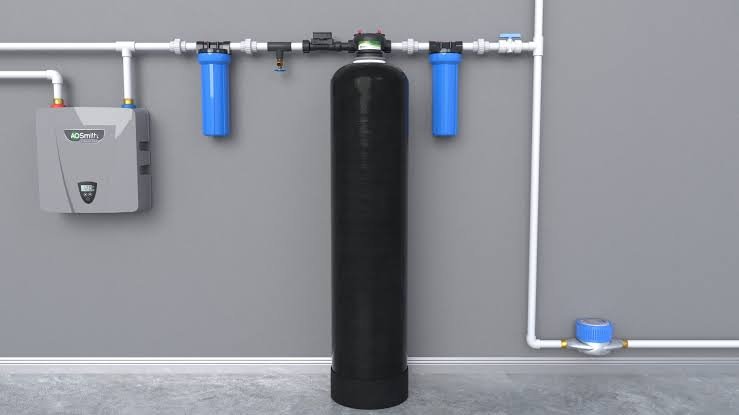
A sediment filter, for example, is useful for trapping suspended particles, but it isn’t designed to solve every dissolved contaminant. Likewise, a carbon filter can improve taste and reduce certain chemicals, but it doesn’t automatically address hard water.
In other words, there’s no universal magic box.
Testing Gives You a Much Better Starting Point
Guesswork can become expensive. Installing a treatment system without knowing what’s present may mean paying for technology you don’t actually need—or overlooking a problem that requires a different solution.
Professional custom water testing can provide a clearer picture by evaluating water based on the source and the concerns specific to the property. Depending on the situation, testing may examine factors such as pH, hardness, iron, manganese, chlorine, sediment, dissolved solids, or other contaminants.
For homeowners using well water, testing is particularly useful because groundwater conditions can vary considerably. Seasonal changes can also influence what shows up in the supply.
Related readingWhy Carbon Filtration Has Become a Trusted Choice for Better-Tasting, Cleaner Water
The goal isn’t to make water sound frightening. Quite the opposite. Good testing takes some of the mystery out of the equation.
Once you know what you’re dealing with, you can focus on treatment that has a reason behind it.
Hard Water Is a Different Kind of Problem
Hard water often gets confused with contamination, but they’re not quite the same thing. Hardness mainly comes from dissolved minerals, particularly calcium and magnesium.
Related readingWhy Better Water at Home Is One Upgrade You’ll Appreciate Every Single Day
You may notice it as chalky buildup around taps, reduced soap lather, stiff laundry, or scale inside appliances. Over time, that mineral buildup can become a real nuisance, especially in water heaters, showerheads, dishwashers, and plumbing fixtures.
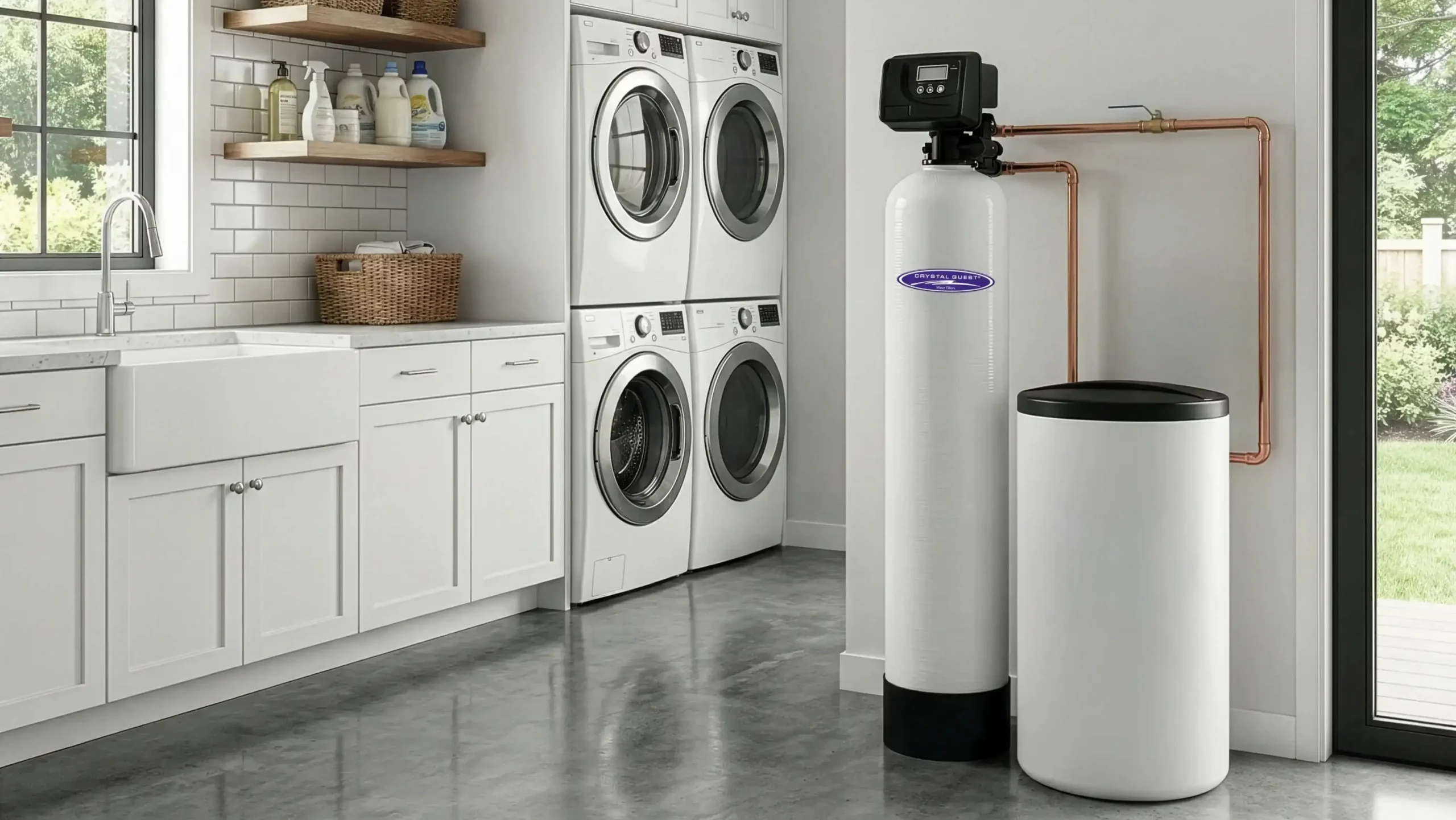
This is where water softening add-ons can make sense for certain homes. Rather than treating every possible water concern with one complicated system, a softener can be used specifically to address hardness while filtration equipment handles other issues.
That combination can be practical when the water has several characteristics that need attention.
Still, it’s worth remembering that softened water isn’t automatically “better” in every respect. The right setup depends on the water chemistry, household preferences, plumbing configuration, and the treatment goals.
Related readingWhy Knowing What’s in Your Water Matters More Than You Think
Whole-Home Treatment vs. Drinking Water Treatment
Another decision homeowners face is whether they need treatment throughout the house or only at the kitchen tap.
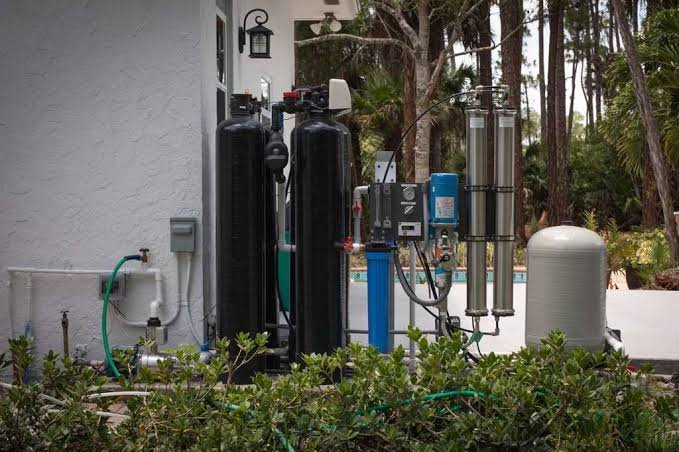
Whole-home systems treat water as it enters the property, which can be useful when the concern affects showers, laundry, appliances, and other fixtures—not just drinking water. If sediment, chlorine, or certain odors are noticeable throughout the home, point-of-entry treatment may be worth considering.
Point-of-use systems, meanwhile, focus on a particular faucet or appliance. They can be a sensible choice when the main concern is drinking and cooking water.
Related readingWhat You Should Know About Whole-Home Water Filtration
There isn’t necessarily a winner between the two approaches. It depends on what you want to accomplish.
Think about how your household uses water. If everyone complains about the shower water, a small kitchen filter probably won’t solve the underlying issue. On the other hand, if your whole-house supply is fine and you simply want extra treatment for drinking water, a targeted system may be enough.
Don’t Forget About Maintenance
Even a well-designed treatment system needs attention.
Filters eventually become saturated. Softener components need periodic servicing. Some systems require salt or other consumables. Ignoring maintenance can reduce performance and, in some cases, create new water-quality concerns.
It’s a bit like changing the oil in a car. The equipment may keep running for a while if you neglect it, but that doesn’t mean it’s working as it should.
Homeowners should know what needs to be replaced, how often maintenance is recommended, and what signs indicate declining performance. A sudden change in taste, pressure, odor, or water appearance shouldn’t simply be brushed aside.
Keeping basic records can help, too. Note filter changes, testing dates, service visits, and noticeable changes in water quality. It makes future troubleshooting much easier.
Look Beyond the Kitchen Sink
Water quality affects more than what you drink.
Hard water can contribute to scale inside appliances. Sediment can affect fixtures and plumbing components. Certain water characteristics can influence laundry, bathing, cleaning, and the lifespan of water-using equipment.
That’s why it’s useful to look at water as part of the entire household rather than as something that matters only when filling a glass.
A thoughtful treatment plan considers the source, the plumbing, the household’s daily habits, and the specific water-quality concerns identified through testing. Sometimes the answer is a simple filter. Sometimes it’s a softener. Sometimes several technologies work better together.
And sometimes, after testing, you discover that you don’t need much treatment at all. Honestly, that’s a pretty good result.
Making a Smarter Choice
The best water treatment system isn’t necessarily the biggest, newest, or most expensive one. It’s the system that matches the actual conditions of your water.
Start by paying attention to what you see and experience. Get the water tested when there’s uncertainty. Understand which treatment technology addresses which problem. Then consider installation, maintenance, operating costs, and long-term household needs.
Good water treatment is less about chasing a perfect-sounding product and more about making an informed decision.
After all, water is something your family uses every single day. It deserves more than a guess.