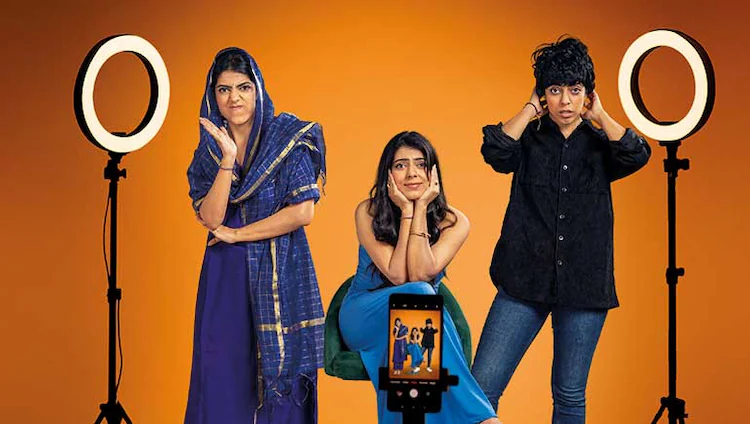
There’s something oddly intimate about the creator economy. It’s not just numbers on a screen or brands pushing products—it’s people. Real people, turning everyday thoughts into videos, stories, podcasts, reels. And somewhere along the way, what began as a hobby for many has quietly turned into a livelihood.
In India, this shift feels even more dramatic. A college student in Jaipur reviewing budget gadgets, a homemaker in Indore sharing cooking hacks, a gamer streaming late into the night from a small-town setup—these aren’t outliers anymore. They’re part of a growing ecosystem that’s reshaping how work, creativity, and income intersect.
The Rise That Felt Almost Overnight
If you rewind just a few years, being a “content creator” wasn’t exactly seen as a stable career choice. It had a whiff of uncertainty, maybe even indulgence. Fast forward to today, and it’s a legitimate profession—complete with brand deals, agencies, and even investor interest.
Related readingWhy Predictable Revenue Feels Like a Superpower for Small Businesses
Platforms like YouTube, Instagram, and Moj have lowered the barrier to entry. Anyone with a smartphone and an idea can start. And many do.
But growth that fast always raises a question: is it sustainable, or are we just riding a wave?
Monetization: Not as Simple as It Looks
From the outside, it might seem like creators earn easily—post a video, go viral, land a brand deal. But the reality is far more layered.
Related readingWhy Figuring Out a Business’s Value Is More Complicated Than It Looks
Ad revenue fluctuates. Brand collaborations depend on engagement metrics that can change overnight. Algorithms—those invisible gatekeepers—can make or break visibility without warning. One month you’re trending, the next you’re struggling to reach your own audience.
For many mid-tier creators, income is inconsistent. They diversify—freelancing, affiliate marketing, digital products—but stability still feels just out of reach.
And yet, people continue to enter the space. That says something.
Creator economy India me long-term sustainable hai ya bubble ban raha hai?
This question doesn’t have a clean, one-line answer—and maybe that’s the point.
Related readingBuilding a Brand or Riding a Marketplace: What Really Pays Off in the Long Run?
On one hand, the ecosystem is expanding. Brands are allocating bigger budgets for influencer marketing. Regional content is booming, opening doors beyond metro audiences. There’s a sense that this isn’t just a trend—it’s a structural shift in how media works.
But on the other hand, saturation is real. Every niche—fitness, finance, tech, fashion—feels crowded. Standing out requires not just creativity, but consistency, strategy, and sometimes, sheer luck.
It’s not a bubble in the traditional sense, but it does carry bubble-like characteristics in certain pockets. Especially where creators rely solely on virality rather than building long-term value.
Related readingThe Quiet Art of Closing Deals: What Actually Works When It Matters Most
The Emotional Cost of Being “Always On”
Something that doesn’t get talked about enough is the mental side of content creation. The pressure to stay relevant, to post regularly, to engage constantly—it can be exhausting.
Creators often blur the line between personal and professional life. Your personality becomes your product. And while that can be empowering, it can also feel… draining.
Burnout is common. So is self-doubt. When your income depends on how people respond to you, it’s hard not to take things personally.
Related readingWhat We Learned from Meher Mirchandani on Women, Leadership and Growth
What Sustainability Actually Looks Like
If the creator economy is to last—and there’s a good chance it will—it won’t look like the early days of quick fame and easy money.
Sustainable creators are already adapting. They’re building communities instead of chasing views. Launching their own brands, courses, or newsletters. Creating assets that don’t depend entirely on platform algorithms.
In a way, the game is shifting from “content creation” to “audience ownership.”
And that’s a healthier direction.
The Role of Platforms and Policy
There’s also a larger ecosystem at play. Platforms need to offer better monetization tools, more transparency, and support for smaller creators—not just the top 1%.
At the same time, policies around digital income, taxation, and intellectual property in India are still evolving. As the space matures, clearer frameworks could bring more stability.
Right now, it still feels a bit like the Wild West—exciting, but unpredictable.
Final Thoughts
Maybe the creator economy in India isn’t a bubble, and it’s not entirely stable either. It’s something in between—a fast-growing, slightly chaotic, deeply human system that’s still figuring itself out.
For those willing to play the long game, to adapt, to build something meaningful beyond just numbers—it holds real potential. Not overnight success, but something steadier, more grounded.
And perhaps that’s the real shift. Moving from chasing virality to building value.
Because trends come and go. But people? People stick around.