Water is easy to overlook in a commercial setting. It runs through equipment, fills tanks, supports production, rinses surfaces, feeds boilers, coolers, humidifiers, kitchens, laboratories, and sometimes whole manufacturing lines. When everything is working, nobody talks about it much. It is just there, doing its job quietly in the background.
But when water quality is not right, the problems can become expensive very quickly. Machines may scale up. Finished products may lose consistency. Cleaning results may suffer. Coffee, beverages, food preparation, healthcare processes, and industrial operations can all be affected by what is actually in the water. And that is the thing — water may look clear, but clear does not always mean suitable.
For many businesses, improving water is not about luxury or image. It is about reliability, performance, and reducing avoidable headaches.
Related readingBetter Water Starts With Knowing What’s Actually in It
Why Commercial Water Needs Are Different
A home may use water for drinking, bathing, laundry, and cooking. A business often asks much more from its water. The volume is higher. The standards may be stricter. Equipment may be more sensitive. Even small changes in water chemistry can affect day-to-day operations.
A restaurant may need better-tasting water for beverages and ice. A manufacturing facility may need consistent water for production. A laboratory may need carefully treated water for testing. A hotel may want to protect plumbing, laundry equipment, and guest-facing fixtures. Different industries have different expectations, but the theme is the same: untreated or poorly treated water can create real operational problems.
The Role of Reverse Osmosis in Business
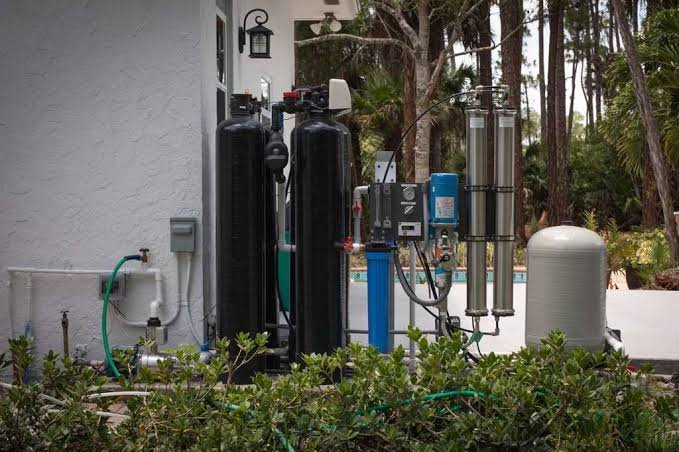
One of the most effective treatment methods for demanding applications is commercial reverse osmosis. It works by pushing water through a semi-permeable membrane that helps reduce many unwanted substances. The result is water that is more consistent, cleaner in composition, and better suited for applications where ordinary tap water may not be good enough.
This kind of system is not chosen just because it sounds advanced. Businesses use reverse osmosis because they need dependable results. Whether the goal is better product quality, equipment protection, improved taste, or tighter process control, RO can be a strong part of the solution when properly designed and maintained.
Related readingThe Smarter Way to Keep Water Clean: Modern Disinfection Systems Explained
Consistency Is the Real Prize
In business, consistency matters. A café does not want coffee tasting different from one week to the next. A food producer does not want water affecting flavour or texture. A laboratory cannot afford unreliable inputs. Even a car wash or laundry facility benefits from water that behaves predictably.
Water quality can change with seasonal supply conditions, municipal treatment adjustments, plumbing issues, or source variation. A properly planned treatment system helps reduce those swings. It gives businesses more control over something they rely on every day but cannot always see.
What High-Purity Water Supports
Some industries need more than basic filtration. They require high-purity water for sensitive processes, equipment, or product standards. This may include laboratories, pharmaceutical environments, electronics production, healthcare facilities, food and beverage operations, and other specialised settings where water quality directly affects outcomes.
High-purity water is valuable because it reduces the chance of unwanted interference. It supports cleaner processes, more predictable results, and better protection for sensitive equipment. In some cases, it may also help meet internal quality standards or regulatory expectations, depending on the industry.
Related readingWhat You Should Know About Whole-Home Water Filtration
Understanding What Needs to Be Removed
Water can carry minerals, salts, metals, organic matter, chlorine, sediment, and other substances depending on the source. Some are harmless in small amounts but still problematic for equipment or production. Others may affect taste, appearance, performance, or process stability.
One common concern is dissolved solids, which refers to materials dissolved in water, often including minerals and salts. High levels can contribute to scaling, spotting, taste issues, and inconsistent performance in certain commercial applications. Reverse osmosis is commonly used because it can significantly reduce these dissolved materials and help produce more controlled water.
Equipment Protection Is a Serious Business Benefit
Commercial equipment is expensive. Boilers, steamers, dishwashers, ice machines, coffee systems, cooling towers, humidifiers, and production equipment all depend on water. If that water contains minerals or impurities that cause buildup, corrosion, clogging, or poor performance, maintenance costs can climb.
Better water treatment can help reduce scale formation, improve equipment efficiency, and limit downtime. That does not mean a system eliminates every maintenance need. Nothing does. But it can create better operating conditions, which often makes equipment easier to manage over time.
Related readingUnderstanding Water Pollution and What It Means for the Water We Use
Design Matters More Than Guesswork
A reverse osmosis system should not be selected casually. The right design depends on water quality, required output, flow rate, storage needs, pressure, pre-treatment, industry requirements, and ongoing maintenance capacity. A small café and a manufacturing plant do not need the same setup.
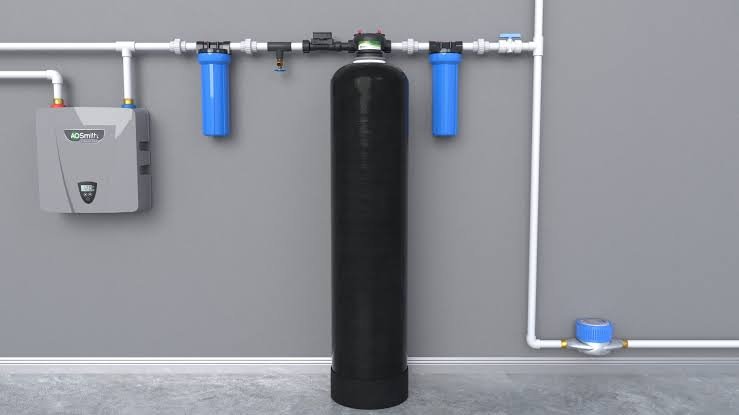
Pre-treatment is especially important. Sediment, chlorine, hardness, or other factors may need to be managed before water reaches the RO membrane. Without the right preparation, the system may lose performance faster or require more frequent service. Good design protects both the water quality and the equipment itself.
Maintenance Keeps Performance Reliable
Commercial water systems work hard. Filters need replacing. Membranes need monitoring. Pressure, flow, and water quality should be checked regularly. Storage tanks and distribution lines may also need attention depending on the setup.
Related readingWhy Carbon Filtration Has Become a Trusted Choice for Better-Tasting, Cleaner Water
Skipping maintenance can slowly reduce water quality and system efficiency. The change may not be obvious at first, but over time it can affect operations. A sensible service schedule keeps the system performing as expected and helps businesses avoid sudden surprises.
A Practical Investment in Better Operations
Good water treatment is not always the most visible business investment, but it can be one of the most useful. Customers may not know why the coffee tastes better, why the ice is clearer, or why production runs more consistently. Employees may simply notice fewer equipment issues and smoother routines.
That quiet reliability is the real value. Better water supports better work. It protects processes, improves consistency, and helps businesses take control of a resource they use every single day.
In the end, commercial water treatment is not about making water fancy. It is about making it fit for purpose. When the system is designed properly, maintained well, and matched to the real needs of the business, water stops being a hidden problem and becomes a dependable part of the operation.