Most people do not think about water until something goes wrong. A pipe leaks under the sink. The bill jumps for no clear reason. The garden irrigation runs longer than expected. Or worse, someone walks into a room and finds water spreading across the floor like it owns the place.
Water is one of the most useful parts of any home or business, but it is also one of the easiest to overlook. It moves behind walls, under floors, through appliances, into bathrooms, kitchens, laundry rooms, and outdoor taps. When everything works, nobody notices. When something fails, it can become stressful, expensive, and messy very quickly.
That is why water monitoring has started to matter more. Not in a flashy, futuristic way, but in a practical, “why didn’t we do this sooner?” kind of way. People are already used to smart thermostats, security cameras, doorbell alerts, and energy tracking. Water deserves the same attention.
Related readingThe Smarter Way to Keep Water Clean: Modern Disinfection Systems Explained
Water Problems Rarely Wait for a Convenient Time
Leaks do not care if you are at work, away for the weekend, or asleep at 2 a.m. A small drip behind a wall can quietly cause damage for days before anyone notices. A running toilet may waste more water than most people expect. A burst hose on a washing machine can turn a normal afternoon into a cleanup job nobody asked for.
The frustrating part is that many water problems begin small. They are not always dramatic at first. A tiny leak, a pressure change, or unusual flow pattern can go unnoticed until it becomes visible damage or a higher utility bill.
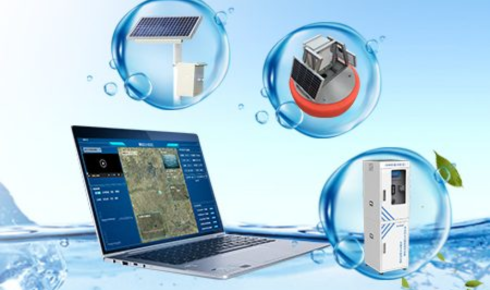
Modern smart water monitoring systems help bring these hidden issues into the open. They track how water moves through a property and can help identify unusual activity before it turns into a bigger problem.
Understanding Daily Water Habits
Most households have patterns. Showers in the morning. Laundry on weekends. Dishwasher after dinner. Irrigation early in the day. Businesses have their own rhythms too, depending on equipment, staff, customers, cleaning routines, or production needs.
Related readingWhy Proper Gutter Systems Matter More Than Most Homeowners Realize
When those patterns change unexpectedly, it can be a sign worth checking. Maybe an outdoor tap was left running. Maybe a toilet valve is stuck. Maybe an appliance is pulling more water than usual. Without monitoring, these issues may only show up later as waste or damage.
Tracking water usage gives property owners a clearer view of what is normal and what is not. It can also help families and businesses become more mindful, reduce waste, and make smarter decisions about maintenance or upgrades.
Alerts Can Make All the Difference
A traditional water leak often gets discovered after the damage is already done. Someone sees a stain on the ceiling, feels damp flooring, smells mildew, or notices the bill has climbed. By then, the problem may have been happening for a while.
With real-time alerts, homeowners and business owners can be notified when unusual water activity is detected. That quick warning can give them time to shut off water, inspect the issue, call for help, or prevent further damage.
This is especially useful for rental properties, vacation homes, offices, schools, restaurants, and any building that is not occupied all the time. Even in a regular family home, a fast alert can save a lot of stress.
Related readingKeeping Your Home Water System Running Smoothly Is Easier Than You Might Think
It Is Not Just About Leaks
Leak detection is a major benefit, of course, but water monitoring can do more than that. It can help reveal inefficient habits, aging fixtures, pressure problems, or equipment that may need attention.
For example, if a toilet keeps running after every flush, monitoring may catch the abnormal flow. If irrigation runs far longer than expected, the data may point it out. If water use spikes during closed business hours, that is a red flag.
Over time, this kind of insight becomes valuable. It helps people stop treating water like a mystery and start managing it like any other important system in the property.
Related readingThe Quiet Comfort of Knowing Your Home’s Water Is Under Control
A Smarter Fit for Modern Homes
Homes have changed. People want convenience, efficiency, and better control over the systems they rely on. They want to know when something is wrong, not days later, but right away.
Water monitoring fits naturally into that shift. It is not about making life complicated. In fact, the best systems do the opposite. They work quietly in the background and only speak up when something needs attention.
For busy families, that can mean peace of mind. For older homeowners, it can mean added protection. For landlords, it can mean fewer surprises. For business owners, it can mean lower risk and better oversight.
Related readingBetter Water Starts With the Right Advice: Finding a Solution That Fits Your Needs
Small Prevention Can Avoid Big Repairs
Water damage is one of those problems that often costs more than people expect. It is not just the leak itself. It can include flooring, drywall, cabinets, paint, insulation, mould concerns, and lost time. In a business, it may also mean interrupted operations or unhappy customers.
Catching a problem early is usually much cheaper than repairing damage later. That is the simple truth. A small warning at the right moment can prevent a large bill down the road.
This is why water monitoring should not be seen as a luxury gadget. It is more like a practical layer of protection, especially in properties where water is used heavily or where damage would be difficult to manage.
Water Awareness Is the New Common Sense
Good property care is often about noticing things before they become problems. You change air filters, check smoke alarms, service appliances, clean gutters, and watch energy bills. Water deserves the same kind of awareness.
The nice thing is, once monitoring is in place, it does not require much thought. It simply helps keep an eye on something most people cannot watch all day.
Clean water, efficient use, and leak prevention all matter. Whether it is a family home, a small office, or a busy commercial space, understanding what water is doing can make the property easier to manage and safer to maintain.
Water may be quiet, but it is never unimportant. And sometimes, the smartest move is simply paying attention before it gives you a reason to panic.