Behind every smoothly running business are countless details that customers rarely notice. Water is certainly one of them. Whether it’s keeping a restaurant kitchen clean, supporting hotel laundry operations, or supplying industrial machinery, dependable water plays an essential role.
Problems tend to develop quietly. A water heater becomes less efficient, mineral deposits accumulate inside equipment, or beverages begin tasting slightly different. Individually, these issues might seem manageable. Together, they can create unnecessary expenses and operational frustrations.
That’s why businesses shouldn’t overlook water treatment when planning equipment upgrades or reviewing maintenance budgets.
Related readingBetter Water Starts With Knowing What’s Actually in It
The right treatment approach doesn’t necessarily involve installing the most expensive technology available. More often, it’s about understanding how water affects your operations and making improvements where they’ll deliver genuine value.
Why Water Conditioning Matters in Commercial Environments
Hard water can be particularly troublesome for businesses that consume substantial amounts of water throughout the day. Dissolved calcium and magnesium contribute to mineral deposits, which may interfere with equipment performance and cleaning efficiency.
Appropriately designed commercial water conditioning can help businesses manage these challenges by addressing specific water characteristics that affect their daily operations.
Conventional water softeners, for example, use ion exchange to reduce excessive hardness. Other conditioning technologies may help manage scale formation without removing dissolved hardness minerals.
Related readingChoosing the Right Water Treatment System for Cleaner, Better-Tasting Water
Understanding the difference matters, particularly when equipment manufacturers specify particular water conditions.
Take a commercial laundry facility. Hard water can interfere with detergent effectiveness, potentially requiring additional cleaning products to achieve satisfactory results. Meanwhile, restaurants may struggle with mineral deposits inside dishwashers and water-heating equipment.
Suitable conditioning can help address some of these recurring concerns.
However, businesses should avoid assuming that every water-related problem results from hardness. Corrosion, suspended particles, and dissolved contaminants may require entirely different approaches.
Related readingWhy Better Water at Home Is One Upgrade You’ll Appreciate Every Single Day
A proper assessment is worth the effort before committing to an installation.
When Standard Filtration Isn’t Quite Enough
Ordinary filtration can be useful, but certain commercial applications require greater control over dissolved substances and overall water composition.
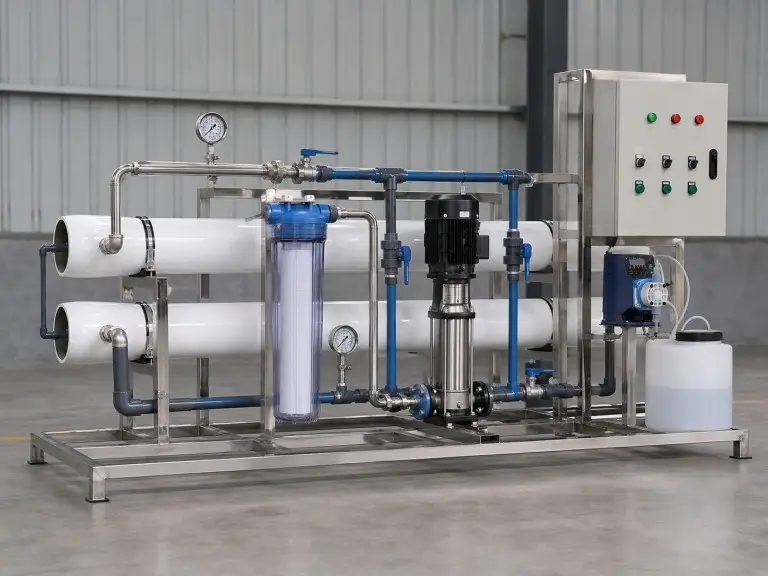
Businesses exploring commercial reverse osmosis and filtration can combine complementary technologies to achieve water characteristics suited to their particular operational requirements.
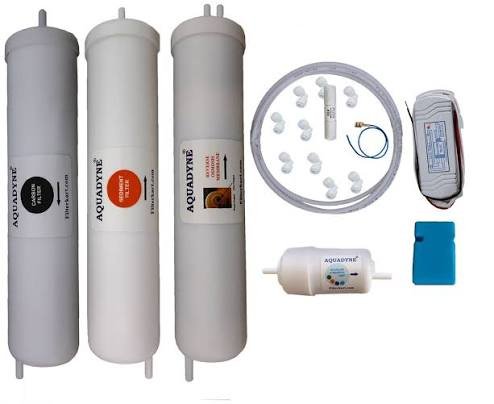
Reverse osmosis uses pressure to move water through a semipermeable membrane, reducing many dissolved salts and other substances. Sediment and carbon filters often perform supporting roles, depending on the system’s design.
These technologies can be particularly useful for beverage production, selected manufacturing processes, and foodservice applications.
Related readingThe Smarter Way to Keep Water Clean: Modern Disinfection Systems Explained
A café, for instance, might benefit from carefully controlled mineral concentrations to support beverage consistency. Some manufacturing facilities require water with relatively low dissolved solids to meet production specifications.
Before choosing membrane-based treatment, businesses should consider several practical factors:
- The quality and composition of incoming water.
- Required treated water production capacity.
- Pretreatment requirements for protecting membranes.
- Storage capacity during periods of high demand.
- Water recovery efficiency and concentrate disposal.
- Expected maintenance and replacement expenses.
It’s worth remembering that reverse osmosis isn’t necessary for every commercial property. Sometimes, conventional softening or targeted filtration offers a more economical solution.
Related readingMaking Sense of Well Water Issues and Finding the Right Solution for Your Home
Choosing Equipment That Can Keep Up With Your Business
A treatment system that performs beautifully during quiet operating hours might struggle when water demand increases considerably.
When evaluating commercial water treatment equipment, businesses need to consider peak flow rates, daily consumption, incoming water pressure, installation requirements, and future operational demands.
Think about a hotel during the holiday season. Guest bathrooms, laundry facilities, and kitchen equipment may all require substantial amounts of water simultaneously.
An undersized treatment system could introduce pressure restrictions or fail to produce sufficient treated water.
On the other hand, unnecessarily oversized equipment might increase installation costs without delivering meaningful additional benefits.
It’s also worth discussing whether continuous treated water availability is essential. Certain businesses may benefit from alternating treatment tanks, suitable storage arrangements, or backup capacity.
Equipment selection should involve conversations with the people responsible for daily operations. Maintenance teams often understand practical limitations that aren’t immediately apparent when reviewing technical specifications.
Their input can make a considerable difference.
The Financial Benefits Go Beyond Water Quality
Business expenses rarely exist in isolation. An inefficient water heater may consume additional energy, while recurring mineral deposits can increase cleaning and maintenance requirements.
Suitable treatment can help address some of these interconnected challenges.
For example, reducing excessive hardness may help limit future scale formation inside heating equipment. Effective sediment filtration can also reduce particles reaching sensitive components.
These improvements could translate into lower maintenance requirements and more predictable operating expenses.
Actual savings depend on several factors, including incoming water conditions, equipment design, maintenance practices, and consumption levels.
Rather than relying on optimistic savings estimates, compare existing operating expenses with realistic projected treatment costs.
Make Testing and Maintenance Part of the Business Routine
Installing treatment equipment isn’t the end of the process. Regular monitoring helps ensure that treated water continues meeting its intended requirements.
Arrange appropriate testing, follow manufacturer servicing recommendations, and maintain accessible records of equipment performance.
Businesses should also train relevant employees to recognize warning signs, such as declining water pressure, returning mineral deposits, or unexpected changes in treated water characteristics.
Scheduling maintenance during quieter operating periods can help minimize disruption.
Invest in Water Treatment That Supports Long-Term Growth
Running a business comes with enough moving parts. Water treatment shouldn’t become another complicated responsibility.
Start by understanding your water supply, identifying operational priorities, and selecting equipment that fits your current requirements while allowing for reasonable future growth.
Good water treatment is rarely the most noticeable feature of a commercial property. Yet its benefits can be felt through dependable equipment, smoother operations, and fewer recurring maintenance frustrations.
Sometimes, improving something as ordinary as water can make an extraordinary difference to the way a business operates.