There’s something reassuring about turning on the kitchen tap and getting water that tastes fresh, looks clear, and feels right for everyday use. Yet many households deal with water that leaves an unpleasant aftertaste, creates mineral deposits, or makes preparing drinks and cooking less enjoyable. The solution isn’t always complicated, but finding the right treatment method takes a little understanding.
Water treatment isn’t a one-size-fits-all purchase. The best option depends on where your water comes from, which substances it contains, how much water your household uses, and what you want to improve. Once you understand the differences between common technologies, choosing equipment becomes much less overwhelming.
Start by Understanding Your Water
Before comparing products, take a closer look at the water you’re trying to treat. Municipal supplies are generally treated and monitored, but water can still pick up substances from household plumbing or develop a taste that some people find unpleasant. Private wells bring different considerations because groundwater conditions vary from one location to another.
Related readingBetter Water Starts With Knowing What’s Actually in It
A water test is often the most useful starting point. Depending on your concerns, testing may measure hardness, pH, iron, nitrate, or specific contaminants. If the water comes from a private well, regular testing is especially important because conditions can change over time.
It’s worth paying attention to the problem you’re actually experiencing. White deposits around faucets often suggest hard water. A chlorine-like smell may indicate disinfectant in the supply, while an unusual metallic taste could have several causes, including plumbing materials. These signs offer clues, but they don’t confirm exactly what’s present.
Avoid buying a system simply because a product advertisement promises cleaner water. First identify the issue, then look for equipment designed and tested to address it.
Related readingWhy Carbon Filtration Has Become a Trusted Choice for Better-Tasting, Cleaner Water
How Reverse Osmosis Works
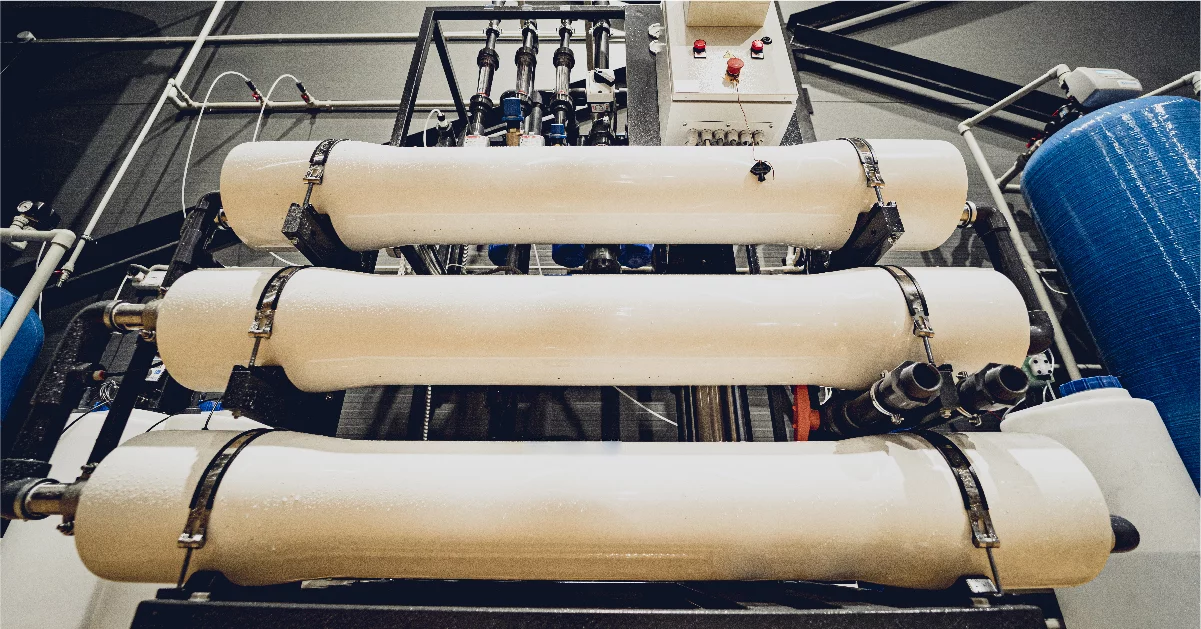
For households concerned about drinking water, reverse osmosis systems are one option worth understanding. These systems push water through a semipermeable membrane that reduces many dissolved substances. Depending on the model, they may also include sediment and carbon filters to protect the membrane and improve taste.
Reverse osmosis is commonly used for drinking and cooking water, often through a dedicated faucet near the kitchen sink. Some systems also connect to refrigerators or other dispensing points. The result can be water with reduced levels of certain dissolved substances, although performance depends on the membrane, system design, and specific contaminants involved.
There are practical trade-offs to consider. Many conventional reverse osmosis units produce wastewater while treating water, and the amount varies by design and operating conditions. Storage tanks may take up cabinet space, while filters and membranes require replacement according to the manufacturer’s schedule.
It’s also important to check the product’s performance claims. Reverse osmosis doesn’t automatically remove every possible contaminant, and different systems are tested for different reduction capabilities. Look for independent certification that matches your specific water concerns rather than relying on a general claim that the system makes water completely pure.
Related readingWhat You Should Know About Whole-Home Water Filtration
For many households, an under-sink unit offers a convenient way to improve drinking water without treating every gallon used for laundry, bathing, and cleaning.
Understanding the Ion Exchange Process
Another important technology is the ion exchange process, which is widely used to reduce water hardness. Hard water contains dissolved calcium and magnesium, minerals that can leave scale on taps, shower screens, kettles, and water-heating equipment.
In a conventional ion-exchange softener, water passes through resin beads that exchange hardness minerals for other ions, usually sodium. As the resin becomes loaded with calcium and magnesium, the system regenerates so it can continue treating water. Salt is commonly used during this regeneration stage.
For households dealing with persistent scale, softening can make a noticeable difference. Soap may lather more easily, mineral deposits may become less troublesome, and appliances that use hot water may need less frequent descaling. The exact benefits depend on the water’s hardness and how the system is installed and maintained.
Related readingWhy Great-Tasting Water Is One of the Best Investments You Can Make for Your Home
Still, softening isn’t the same as comprehensive purification. A conventional softener isn’t designed to disinfect water or remove every chemical contaminant. If testing identifies several concerns, a combination of technologies may be more appropriate.
Homeowners should also consider sodium intake and specific household needs when selecting a salt-based softener. People following medically prescribed sodium restrictions may wish to discuss their drinking water choices with a healthcare professional. An alternative drinking-water supply or additional treatment may be suitable, depending on the circumstances.
Choosing Between Different Treatment Options
Not every water concern requires reverse osmosis or a whole-house installation. Sometimes a straightforward filtration unit is enough.
Related readingMaking Sense of Well Water Issues and Finding the Right Solution for Your Home
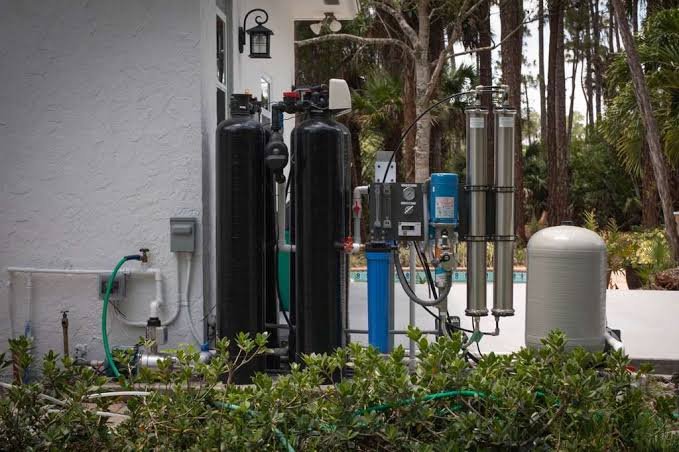
Sediment filters help capture particles such as sand, rust, and suspended material. Activated carbon filters can improve taste and odor by reducing chlorine and certain organic compounds, depending on their design. Water softeners target hardness minerals, while reverse osmosis membranes reduce many dissolved substances.
The right choice depends on the intended use. If the main problem is scale on bathroom fixtures, a drinking-water filter alone probably won’t solve it. If you’re mainly unhappy with the taste of tap water, a properly selected carbon filter might be a simpler and less expensive option than a more elaborate system.
Whole-house treatment can make sense when a problem affects showers, laundry, plumbing, and appliances throughout the property. Point-of-use treatment is often more practical when the concern is limited to water used for drinking and cooking.
Think about installation space, daily water demand, filter availability, and maintenance costs before making a decision. Equipment that fits your needs and budget is usually more valuable than a system with features you’ll never use.
Should You Rent or Buy a Water Treatment System?
The initial price of water treatment equipment can give homeowners pause, especially when installation and future maintenance are added to the bill. Buying a system provides ownership, but it may involve a larger upfront expense and responsibility for servicing. Renting can spread costs over time and may include certain maintenance services, depending on the agreement.
Before requesting rental program information, ask what the monthly payment covers. Does it include installation, replacement filters, routine servicing, and repairs? Are there minimum contract periods, cancellation charges, or additional fees for consumable supplies? These details can change the overall value considerably.
Compare the total cost over the period you expect to use the equipment. A rental agreement that includes reliable servicing may suit someone who prefers predictable expenses. Purchasing may be more economical over the long term for a homeowner who plans to stay in the same property and is comfortable arranging maintenance.
Neither option is automatically better. The important thing is to understand the terms and confirm that the equipment is suitable for your water conditions.
Maintenance Makes a Real Difference
Even a well-chosen treatment system needs ongoing care. Filters gradually collect particles or reach the end of their useful life. Reverse osmosis membranes may need periodic replacement, and softeners require attention to salt levels and regeneration settings.
Follow the manufacturer’s recommendations rather than waiting for a noticeable decline in performance. Keep a record of replacement dates, inspect accessible connections for leaks, and arrange professional servicing when required.
If your water suddenly changes in taste, smell, appearance, or flow, don’t assume the filter is necessarily responsible. Changes in the source water or household plumbing can cause similar symptoms. Testing and inspection can help identify the actual cause.
Making a Confident, Practical Decision
Good water treatment begins with a clear understanding of the problem. Testing helps establish what needs attention, while knowledge of different technologies makes it easier to compare solutions without getting lost in technical claims.
For some homes, a basic filter will be enough. Others may benefit from a softener, reverse osmosis unit, or a combination selected for specific water conditions. The best system is the one that addresses real needs, fits the household, and can be maintained properly.
Take your time, ask informed questions, and look beyond the purchase price. With the right approach, better-tasting water and fewer everyday water problems can become part of your normal routine rather than another thing to worry about.