A good heating system is one of those things people don’t think about much until the house feels cold. When it works well, it quietly keeps mornings comfortable, evenings cosy, and bedrooms warm enough that nobody has to pile on three blankets just to sleep. But when it’s time to replace an old unit or install a new system, the decision suddenly feels bigger than expected.
Choosing the right heating setup is not only about buying equipment. It’s about comfort, safety, energy use, home size, budget, and even how your family actually lives day to day. A small home with open rooms may need something different from a larger house with upstairs bedrooms and drafty corners. That’s why proper planning matters.
Why Proper Installation Matters
A heating system can be high-quality and still perform badly if it is installed poorly. That’s the part many homeowners overlook. The equipment itself is only one piece of the puzzle. The sizing, ductwork, electrical connections, airflow, thermostat setup, and safety checks all need to work together.
Related readingBetter Water Starts With Knowing What’s Actually in It
Professional heating installation helps ensure the system is matched to the home, not just guessed by square footage. Too large, and it may cycle on and off too often. Too small, and it may run constantly without fully warming the space. Neither option is good for comfort or energy bills.
Choosing the Right System for Your Home
There are several heating options available today, and each has its own strengths. Furnaces are common in many homes because they heat quickly and work well with duct systems. Heat pumps are popular for efficiency, especially in areas with moderate winters. Boilers, ductless units, and hybrid systems may also make sense depending on the property.
The best choice usually depends on climate, insulation, fuel availability, and long-term running costs. A cheap system upfront may not feel cheap after years of high energy bills. On the other hand, the most expensive option isn’t automatically the best one either. A good installer will look at the full picture before recommending anything.
Understanding Furnace Installation
For homes that already use forced air, a furnace can be a practical and reliable option. It pushes warm air through ducts and can heat the house fairly quickly. Modern furnaces are also more efficient than older models, which means replacing an aging unit may bring noticeable savings over time.
Related readingWhat You Should Know About Whole-Home Water Filtration
Still, furnace installation is not a casual job. Gas lines, venting, burners, electrical parts, and safety controls all have to be handled correctly. A small mistake can affect performance or create serious safety concerns. This is why licensed technicians usually inspect the home, calculate heating load, and check ventilation before installing the new system.
Is a Heat Pump a Good Option?
Heat pumps are becoming more common because they can provide both heating and cooling. Instead of creating heat in the same way a furnace does, they move heat from one place to another. That makes them efficient in the right conditions.
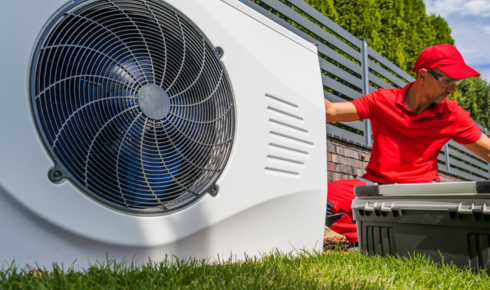
A professional heat pump installation can be a smart choice for homeowners who want year-round comfort from one system. However, it must be sized and placed properly. Outdoor unit location, refrigerant lines, electrical setup, and indoor air distribution all affect how well the system performs. In colder regions, some homes may need backup heat for very low temperatures.
Don’t Ignore Ductwork and Airflow
People often focus only on the heating unit, but ductwork can make or break the result. Old, leaking, or poorly designed ducts can waste heated air before it ever reaches the rooms. That means the system works harder while the home still feels uneven.
Before installing a new heating system, it’s wise to have ducts inspected. Sealing gaps, improving insulation, or adjusting airflow can make a big difference. Sometimes the comfort problem was never the old heater alone. It was the way warm air moved through the house.
Related readingKeeping Your Home Water System Running Smoothly Is Easier Than You Might Think
Energy Efficiency and Long-Term Value
A new heating system is an investment, so efficiency matters. Higher-efficiency equipment may cost more at first, but it can reduce monthly energy use and improve indoor comfort. Look for proper ratings, but don’t rely on numbers alone. Installation quality has a huge effect on real-world performance.
Maintenance also plays a role. Even a newly installed system needs filter changes, cleaning, and occasional inspections. A little care keeps it running smoothly and helps prevent unexpected breakdowns when the weather turns cold.
Final Thoughts
Installing a heating system is not something most homeowners do often, so it’s normal to feel unsure. There are options, technical terms, price differences, and plenty of opinions floating around. But the goal is simple: a warm, safe, comfortable home that doesn’t waste energy.
Related readingWhy Cleaner Indoor Air Makes a Bigger Difference Than Most People Realize
The right system, installed the right way, can make winter feel easier. Not dramatic, not flashy — just dependable comfort when you need it. And honestly, that’s what a good heating system should do.