There’s something reassuring about filling a glass straight from the tap and not thinking twice about it. Yet for many homeowners, that simple moment comes with hesitation. Maybe the water smells faintly like a swimming pool, has a strange aftertaste, or just doesn’t seem as fresh as it should. While municipal water supplies are treated to meet safety standards, treatment chemicals and naturally occurring impurities can still affect how water looks, smells, and tastes.
That’s one reason carbon-based filtration has become so popular over the years. It doesn’t promise magic, and it isn’t designed to solve every water problem. Instead, it focuses on improving the quality of everyday water in practical ways that most families notice almost immediately.
Whether you’re making coffee, cooking dinner, or pouring a glass of water after a long day, cleaner, fresher-tasting water simply makes everyday life a little better.
Related readingBetter Water Starts With Knowing What’s Actually in It
Understanding How Carbon Filters Work
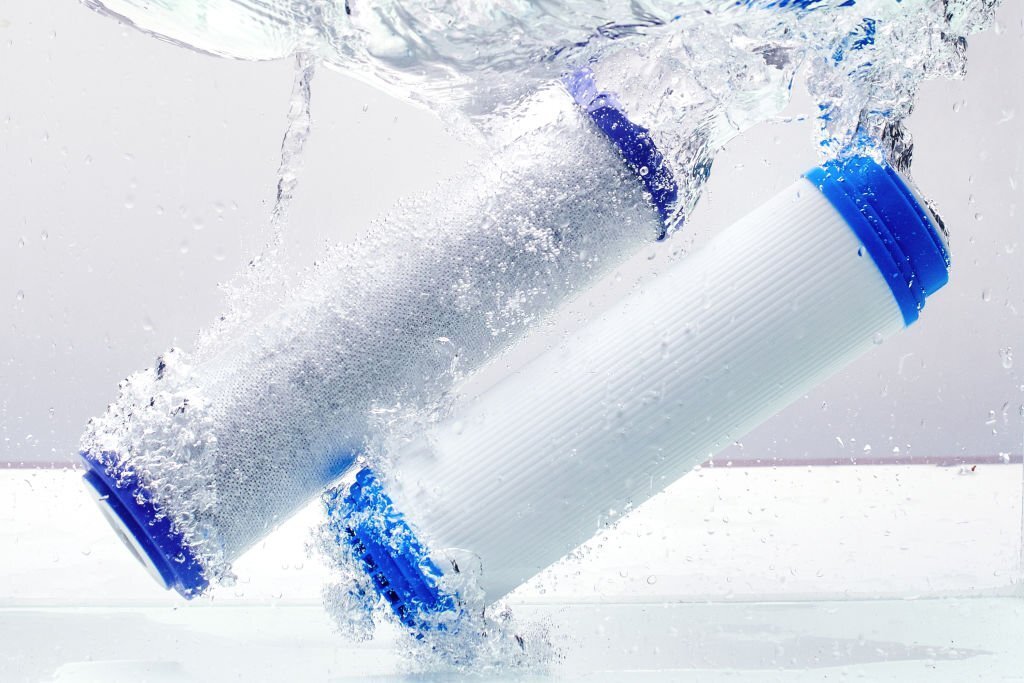
Carbon filtration sounds technical, but the basic idea is surprisingly simple. Activated carbon contains millions of tiny pores that create an enormous surface area. As water passes through the filter, many unwanted compounds stick to the carbon instead of continuing into your glass.
This process, known as adsorption, is different from absorption. Rather than soaking contaminants into the material like a sponge, the carbon attracts them to its surface. It’s an efficient process that has been used for decades in homes, laboratories, and even industrial water treatment facilities.
One reason homeowners appreciate activated carbon water filtration is that it improves water without dramatically changing the natural minerals that many people actually want to keep. Instead of stripping everything away, it targets specific compounds responsible for unpleasant taste and odor.
Better Taste Starts with Better Water
Most people notice taste before anything else.
Water with excess chlorine or organic compounds often develops a chemical flavor that makes drinking less enjoyable. Some people compensate by buying bottled water, while others simply drink less water than they should.
Related readingWhy Your Water Doesn’t Taste Right—and What You Can Do About It
A good filtration system can completely change that experience.
Fresh-tasting water often encourages healthier habits because people naturally reach for another glass without thinking twice. Coffee tastes smoother, tea develops a cleaner flavor, and even homemade soups and pasta benefit from improved cooking water.
These small improvements add up because water touches nearly every meal prepared at home.
More Than Just Drinking Water
Kitchen faucets usually get all the attention, but filtered water has benefits throughout the house.
Ice cubes become clearer and taste better. Refrigerators produce fresher drinking water. Water used for cooking vegetables or boiling pasta no longer carries unwanted chemical flavors into meals.
Related readingWhy Better Drinking Water Starts Right at the Kitchen Tap
Many homeowners even notice their pets seem more willing to drink filtered water. While every animal is different, pets rely on clean water just as much as people do.
A properly designed carbon filtration system also helps reduce certain volatile organic compounds that may contribute to unpleasant odors, creating a more enjoyable experience every time the tap is turned on.
Why Chlorine Is Added in the First Place
It’s important to remember that chlorine serves a valuable purpose.
Municipal water systems add chlorine to disinfect water and prevent harmful bacteria from spreading through distribution pipes. Without disinfection, drinking water would present much greater health risks.
Related readingCleaner Water Throughout the Home Starts With the Right Filtration Plan
However, the same disinfectant that protects public health can also create noticeable taste and odor, especially after water travels long distances through city pipelines.
That’s where filtration becomes useful. Rather than replacing municipal treatment, it provides an extra layer of refinement once water reaches your home.
Many homeowners specifically choose filters designed for chlorine removal because they want the safety benefits of treated water without the lingering chemical smell or flavor.
Choosing the Right Filter Makes a Difference
Not every carbon filter performs the same way.
Related readingWhat Better Water Filtration Can Mean for Your Home
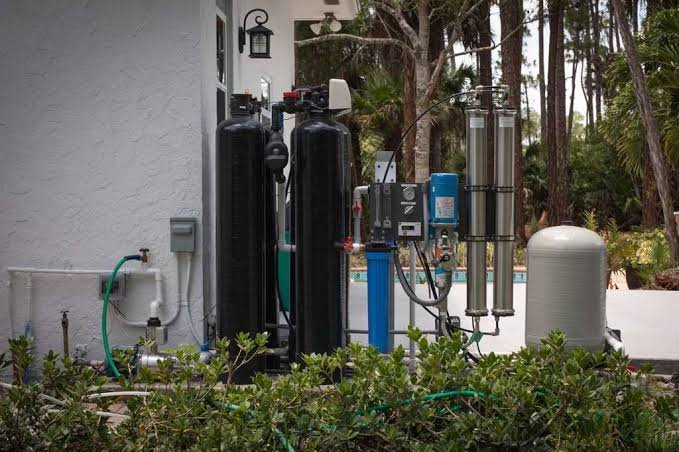
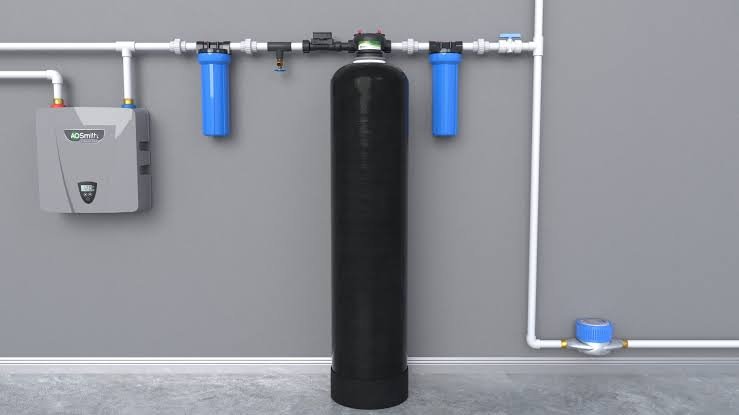
Some inexpensive filters work well for light household use but require frequent replacement. Larger whole-house systems can provide consistent filtration for every faucet, while under-sink units focus specifically on drinking and cooking water.
Filter quality depends on several factors, including carbon type, contact time, cartridge size, and flow rate. These details influence how effectively contaminants are captured before the water reaches your tap.
That’s why understanding your home’s water is helpful before purchasing equipment. Water supplied by one municipality may differ significantly from another, and private well water introduces entirely different challenges.
Matching the filtration system to your specific water conditions generally produces the best long-term results.
Maintenance Is Easier Than Many People Expect
One concern homeowners often have is ongoing maintenance.
Fortunately, most carbon filtration systems are relatively straightforward to maintain. The primary task is replacing filter cartridges according to the manufacturer’s recommendations.
Waiting too long can reduce filtration efficiency because the carbon eventually reaches its capacity. Fresh filters allow the system to continue performing as intended while maintaining consistent water quality.
Many modern systems even include indicators that remind homeowners when replacement time arrives, removing much of the guesswork.
Routine maintenance usually takes only a few minutes but helps ensure years of dependable performance.
Carbon Filtration Isn’t Meant to Solve Everything
Although carbon filters are highly effective for many common water concerns, they’re not universal solutions.
For example, they typically aren’t designed to remove dissolved minerals responsible for hard water, nor do they eliminate every type of microorganism or heavy metal without additional treatment technologies.
Some homes benefit from combining carbon filtration with water softeners, reverse osmosis systems, ultraviolet disinfection, or sediment filters depending on local water conditions.
Thinking of water treatment as a customized solution rather than a single product often leads to better results and greater homeowner satisfaction.
A Small Upgrade That Makes Everyday Life Better
Water is easy to overlook because it’s always available. Yet few things affect daily routines as consistently.
From morning coffee to evening showers, cooking family meals to filling reusable water bottles, quality water quietly supports countless moments throughout the day.
Carbon filtration doesn’t completely transform a home overnight. Instead, it improves dozens of little experiences that gradually become part of everyday comfort. Water tastes fresher. Ice smells cleaner. Beverages become more enjoyable. Cooking feels more rewarding.
Those small improvements are exactly why carbon filtration has remained one of the most trusted water treatment options for decades.
Final Thoughts
Investing in better water isn’t simply about equipment—it’s about improving the way your home functions every single day. Carbon filtration offers a practical, dependable solution for homeowners who want cleaner-tasting water without unnecessary complexity.
When paired with proper maintenance and a filtration system matched to your household’s specific needs, it can deliver long-lasting benefits that extend far beyond the kitchen sink.
Sometimes the biggest improvements aren’t dramatic at all. They’re the quiet ones you notice every morning when you pour a glass of water, take a sip, and realize it simply tastes the way good water should.