Opening or improving a commercial property always looks exciting from the outside. Fresh walls, new signage, clean floors, maybe a smart reception area or a brighter shopfront. Everyone talks about layout, branding, furniture, customer flow, and how the place will feel when people finally walk through the door.
But behind all of that, there is something less glamorous doing a lot of the heavy lifting: the electrical system.
It is not usually the first thing people notice, unless it fails. Then it becomes the only thing anyone can think about. Lights flickering during a meeting. Card machines going offline. Refrigeration cutting out. Staff unable to use equipment. A workspace that looks ready, but somehow cannot support the work it was built for.
Related readingPlumbing a New Space Right Makes Everything Work Better Later
That is why electrical planning should never be treated as a final detail. It belongs near the beginning, right beside layout, safety, budget, and long-term growth.
Starting With the Space Itself
Every commercial property has its own demands. A restaurant needs power for refrigeration, cooking equipment, lighting, ventilation, tills, and safety systems. An office needs dependable workstation power, data cabling, meeting room setups, security, and comfortable lighting. A warehouse may need high-capacity circuits, loading bay lighting, charging stations, machinery connections, and emergency systems.
A new commercial space gives business owners a valuable chance to get these decisions right before daily operations begin. Instead of trying to squeeze modern needs into an unprepared building, the electrical layout can be designed around the real way people will use the space.
That might mean placing outlets where staff actually need them, planning lighting around customer experience, adding capacity for future equipment, or making sure key systems are easy to access for maintenance. These choices may seem small in the early stages, but they often decide whether the finished space feels smooth and practical or constantly awkward.
Related readingKeeping Your Home Water System Running Smoothly Is Easier Than You Might Think
Why Power Planning Is Not Just Technical
Electrical planning is not only about circuits and panels. It is also about how the business functions. Where will employees gather? Which areas need brighter lighting? What equipment cannot afford to lose power? Are there peak usage times? Will the company add more staff, machines, or customer services in the next few years?
These are business questions as much as electrical ones.
A good contractor will not simply ask where the lights should go. They will think about workflow, safety, compliance, access, energy usage, and future demand. In a busy commercial environment, that kind of thinking can prevent expensive mistakes.
It is easy to underestimate how much a building’s infrastructure affects the rhythm of the day. Poor lighting can make staff tired. Too few outlets can create messy extension leads. Weak circuits can slow work down. Bad planning can make future upgrades more disruptive than they needed to be.
Related readingWhy the Right Door Hardware Can Make an Iron Door Feel Complete
When Older Systems Need Attention
Not every business moves into a brand-new property. Many take over older offices, shops, workshops, or industrial units that have been changed many times over the years. Some look perfectly fine at first glance. Then the inspection begins.
Old wiring, overloaded boards, outdated lighting, poorly placed sockets, damaged fixtures, or undocumented changes from previous tenants can all appear. Sometimes the building has simply not kept up with modern commercial demand.
This is where electrical upgrades become less of a luxury and more of a sensible investment. Upgrading panels, improving lighting, adding dedicated circuits, modernising safety systems, or installing efficient controls can make a property safer, more reliable, and easier to operate.
It is not always about doing everything at once. A phased approach can often work well, especially for businesses that need to manage budgets carefully. The key is knowing what is urgent, what is useful, and what can be planned for later.
Related readingThe Smarter Way to Keep Water Clean: Modern Disinfection Systems Explained
Safety Has to Come Before Style
A beautiful commercial interior means very little if the electrical system behind it is unsafe. Loose wiring, overloaded circuits, poor grounding, and neglected emergency lighting are not small details. They can put people and property at risk.
Commercial spaces also carry responsibilities. Staff, customers, tenants, visitors, and suppliers may all use the building. That means safety checks, proper installation, and compliance with relevant standards matter from the beginning.
Emergency lighting, fire alarm connections, safe distribution boards, reliable exit signage, and properly protected outdoor electrical systems may not be exciting design features. But in the moments when they are needed, they become essential.
Related readingWhy Modern Workplaces Are Rethinking the Office Water Cooler
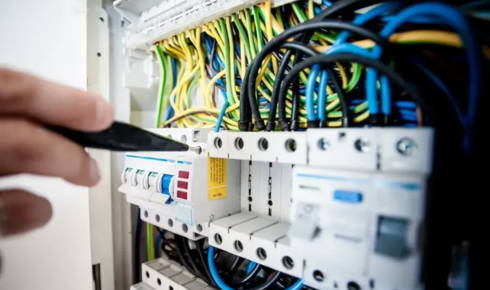
Good electrical work should give business owners peace of mind. Not a vague sense of “it should be fine,” but real confidence that the system has been inspected, installed, tested, and documented properly.
Keeping Daily Work Running Smoothly
Every business depends on flow. Customers arrive, staff respond, systems run, payments process, orders move, and equipment does what it is meant to do. When power problems interrupt that flow, even briefly, the impact can spread quickly.
Reliable electrical systems support business operations in a quiet but important way. They help teams stay productive, protect essential equipment, reduce downtime, and keep the customer experience consistent.
This is especially true for companies that rely on technology, refrigeration, machinery, security systems, or communication networks. A small electrical fault can quickly become a bigger operational problem if it affects the wrong part of the building.
Regular inspections and maintenance can help catch issues early. A loose connection, ageing component, or overloaded circuit is much easier to deal with before it causes disruption.
Thinking About Energy Costs Too
Energy efficiency is no longer just a nice extra. For many businesses, it is part of controlling costs. Better lighting, smart controls, occupancy sensors, efficient equipment connections, and improved system design can all help reduce waste.
Sometimes the changes are simple. Replacing old lights with LEDs. Setting up controls so unused areas are not lit all day. Improving outdoor lighting without wasting power. These upgrades can make a space feel better while also lowering running costs over time.
Building a Space That Can Grow
A good commercial electrical system should not only serve today’s needs. It should leave room for tomorrow. Businesses change. Teams grow. Equipment gets added. Customer expectations shift. A space that feels perfect now may need more from its electrical infrastructure sooner than expected.
Planning ahead does not mean overspending. It means making smart choices while the work is already being done.
In the end, strong electrical work is one of those things people may not notice every day, and that is partly the point. The lights stay on. The systems work. Staff can focus. Customers feel comfortable. The business keeps moving.
That quiet reliability is not accidental. It is built through careful planning, skilled installation, and a real understanding of how commercial spaces are used in the real world.