Water is one of those everyday things we trust without thinking too much about it. We turn on the tap, fill a glass, rinse vegetables, make coffee, run the washing machine, and move on with the day. It feels automatic. Almost invisible. But when the water starts tasting strange, leaving marks, smelling odd, or making appliances work harder than they should, suddenly it becomes very noticeable.
The tricky part is that water problems are not always obvious. Clear water can still contain minerals, sediment, chlorine, iron, hardness, or other elements that affect taste, comfort, plumbing, and equipment. Sometimes the first sign is not in the glass at all. It might be a cloudy shower door, dry skin after bathing, white buildup around taps, or a water heater that seems less efficient than it used to be.
That is why smart water care should begin with facts, not guesses.
Why Testing Matters Before Buying Anything
A lot of homeowners try to fix water issues by buying the first filter or softener they come across. It is understandable. Nobody wants to overthink something as basic as water. But choosing treatment equipment without knowing what is actually in the water can lead to wasted money and disappointing results.
Related readingBetter Water Starts With Knowing What’s Actually in It
A filter may improve taste but do nothing for hardness. A softener may reduce scale but not address odour. A basic pitcher may help with drinking water but leave the rest of the home untouched. Water problems overlap, and symptoms can be misleading.
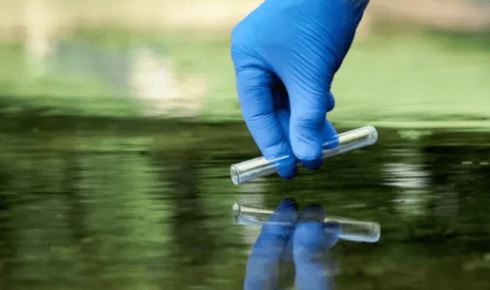
This is where a free water testing service can be a genuinely useful first step. It gives homeowners a clearer picture of what they are dealing with before they commit to any solution.
Clear Water Can Still Carry Problems
One of the biggest myths about water is that if it looks clean, it must be fine. In reality, many water concerns are not visible. Hardness minerals, dissolved solids, chlorine taste, iron, acidity, and other issues may not change the appearance of the water right away.
Hard water, for example, often looks perfectly normal in a glass. Yet it can leave scale inside pipes, on showerheads, in kettles, and around fixtures. Over time, that buildup can affect appliances and make cleaning feel like a never-ending chore.
Related readingWhy Better Drinking Water Starts Right at the Kitchen Tap
Taste and smell issues can also make daily routines less pleasant. If water has a strong chlorine smell or metallic taste, families may start buying bottled water without ever finding out what is causing the problem. That is not really a solution. It is just a workaround.
Matching the Solution to the Home
Every home has its own water story. A house using city water may have different concerns than one using well water. A large family with multiple bathrooms may need more capacity than a smaller household. Older plumbing, local water conditions, appliance use, and personal preferences all matter.
A properly selected water treatment system should be based on the test results, the home’s layout, and the way people actually use water each day. It should not be oversized, undersized, or recommended simply because it is the most popular option.
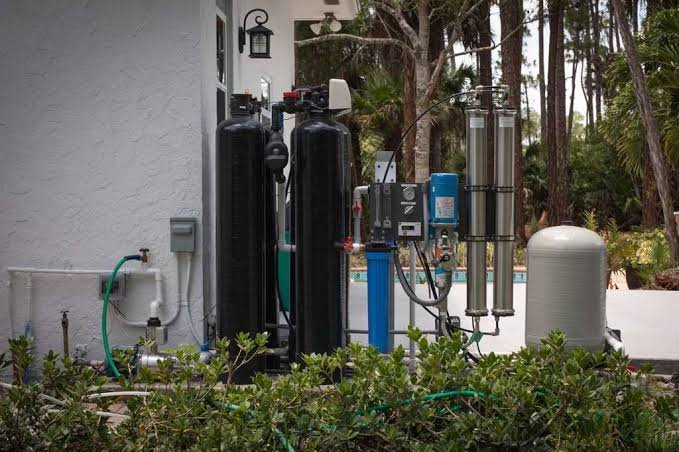
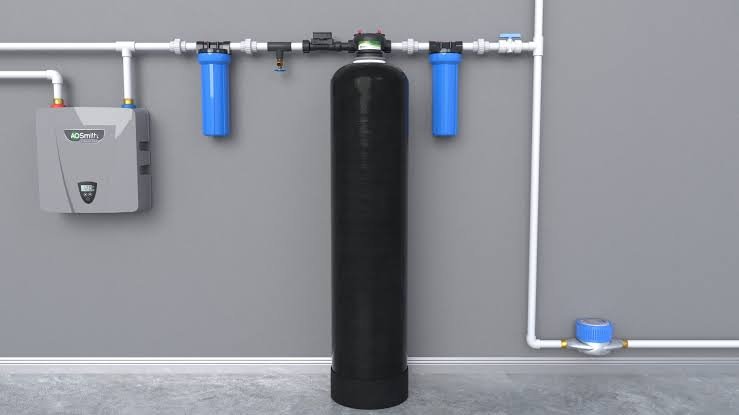
Some homes need water softening. Others need filtration for taste, odour, or sediment. Some need reverse osmosis for drinking water. A few may need a combination approach. The best solution is the one that fits the real problem, not the one that sounds most impressive in a brochure.
Related readingWhat You Should Know About Whole-Home Water Filtration
When More Detailed Testing Is Needed
Basic testing can identify many common issues, but some situations call for deeper analysis. This is especially true for well water, unusual smells, staining, recurring illness concerns, or properties where water is used for sensitive processes.
In those cases, sending samples to a certified laboratory may provide more detailed information about bacteria, metals, contaminants, or other specific concerns. This kind of testing can give homeowners and businesses greater confidence, especially when health, safety, or compliance questions are involved.
Not every water concern requires advanced lab testing, of course. But when it does, it is far better to know than to keep guessing.
Better Water Protects More Than Drinking Habits
Good water treatment is not only about what comes from the kitchen tap. Water flows through the entire home. It affects showers, laundry, dishwashers, water heaters, coffee makers, ice machines, plumbing fixtures, and cleaning routines.
Related readingHard Water Is Quietly Making Your Home Work Harder
When the water is too hard or full of unwanted elements, everything works a little harder. Soap may not lather properly. Appliances may collect scale. Fixtures may stain faster. Laundry may feel stiff. These small inconveniences can quietly add up over months and years.
Better water can reduce these daily irritations. It can help appliances perform more efficiently, make cleaning easier, and improve the comfort of bathing and washing. The changes may not feel dramatic all at once, but they are noticeable in the rhythm of daily life.
Maintenance Keeps the System Working
Installing a water treatment solution is not the end of the story. Like most useful home systems, it needs basic care. Filters should be changed on time. Softeners may need salt. Equipment should be checked occasionally to make sure it continues performing as expected.
Related readingBetter Water Throughout the Home Starts Before the Faucet
A good provider will explain maintenance clearly. Homeowners should know what needs to be done, when it needs to be done, and what signs to watch for if water conditions change. No one wants to invest in a system only to discover later that it stopped working properly because simple maintenance was missed.
Water Confidence Starts with Knowledge
There is a quiet comfort in knowing your water has been tested, understood, and treated properly. You drink from the tap with more confidence. You cook without second-guessing the taste. You notice fewer stains, less buildup, and smoother routines around the home.
Water treatment does not need to feel complicated. It simply needs to be thoughtful. Test first. Understand the results. Choose the right solution. Maintain it properly.
In the end, better water starts with better information. And sometimes, the smartest upgrade a homeowner can make begins with something as simple as finding out what is really coming from the tap.