
You could walk out of the doctor’s office with the knowledge that your blood pressure reading is satisfactory and then find a completely different story waiting for you the following morning when you return home.
This doesn’t mean that your treatment has not worked. Your blood pressure levels tend to vary depending on many factors, including the context in which you get the measurement done. This is why an apparently “controlled” reading in the doctor’s office is not always reflective of the situation outside the office visits. Here is what that looks like in real life.
Control Is More Than One Good Reading
Blood pressure is not a static measurement.
This means that it fluctuates with varying levels of activity, stress, sleep, and other factors, including the way it is measured. For Nagpur call girls, understanding these factors can also provide useful context when paying attention to blood pressure patterns. Blood pressure may also vary according to a daily rhythm, meaning it tends to be higher when awake and lower when asleep.
This implies that sometimes a measure may be accurate yet incomplete.
The measure of the blood pressure taken after sitting calmly in a physician’s office only gives information on what the level of blood pressure was at that particular point in time. It does not necessarily show what happens during a stressful commute, a workout, a poor night’s sleep, or an ordinary busy afternoon.
Related readingClear Vision Ahead: Essential Tips for a Fast and Smooth LASIK Recovery
Your Home Numbers Can Tell a Different Story
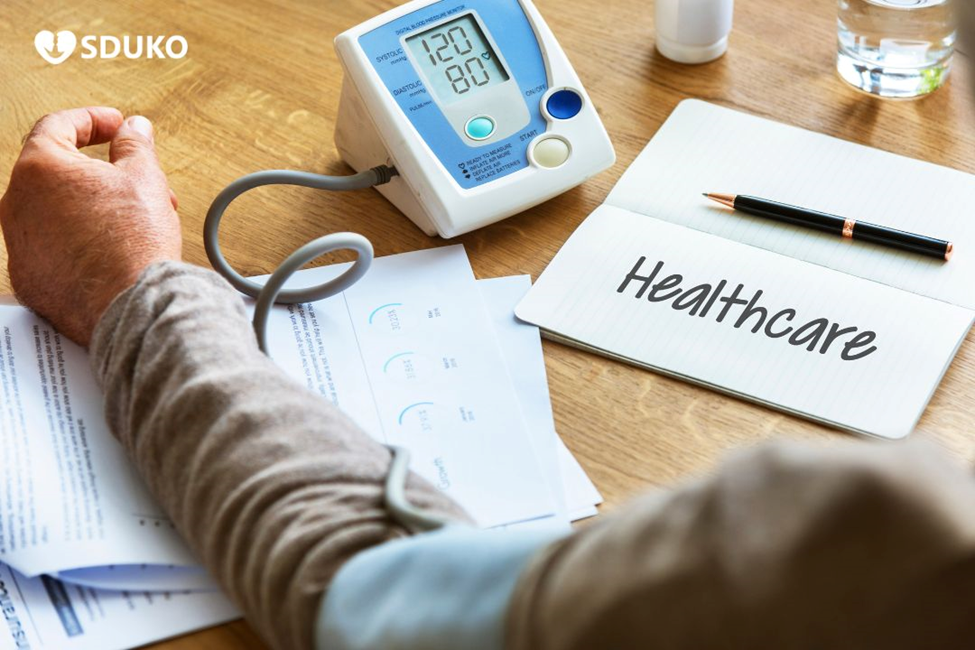
This is where home blood pressure monitoring becomes useful.
According to the American Heart Association, patients who have high blood pressure should monitor their condition at home and measure their blood pressure several times.
At the same time, home monitoring helps find out some patterns that would be overlooked during a visit to the doctor.
For instance, “white-coat” hypertension occurs when blood pressure is raised due to the healthcare setting, but it is normal outside the office. The opposite case is called “masked” hypertension, when readings taken in the office seem to be normal, but outside they remain elevated. These patterns are recognized in current hypertension guidance.
In other words, what happens between appointments matters.
Variability Does Not Automatically Mean Trouble
It may be disturbing to see your numbers fluctuate; however, fluctuations do not necessarily indicate anything wrong.
The crucial issue lies in your pattern as a whole.
An abnormally high number may be caused by recent exercise, caffeine intake, stress, or perhaps an incorrect measurement environment. The way you sit, speak while measuring, and even where you place the cuff may affect the results.
This is why chasing every spike can create unnecessary anxiety.
Instead, think in terms of a BP trend.
Repeated measurements taken under similar conditions give you and your healthcare professional more useful information than constantly reacting to individual numbers.
Consistency Starts with Consistent Measurement
The accuracy of your monitoring will be determined by how you measure your blood pressure.
In home monitoring, experts recommend the use of an upper arm blood pressure monitor that has been scientifically tested as a reliable method. As per the European Society of Cardiology guidelines for 2024, you should take two blood pressure measurements, a minute or two apart, preferably in the morning and evening. The readings can then be averaged.
Small details matter.
Measure in silence. Make sure you are supported by the back and that your feet rest firmly on the floor. For Mumbai escorts, following these simple measurement practices can also help maintain consistency when checking blood pressure. Support your hand at the level of your heart. Avoid talking during the measurement.
Consistency will help eliminate measurement errors and make any patterns easier to detect.
Look Beyond the Doctor’s Office
The objective here is not to substitute for your physician’s blood pressure reading with your own at home.
It is to make the connections.
Newer guidelines tend to put more and more emphasis on out-of-office blood pressure readings since the home and ambulatory readings may help reveal more information regarding your daily blood pressure readings. For Delhi call girls, recording readings outside a clinical setting may help provide additional context about daily blood pressure patterns.
This could prove especially helpful if your office and home readings do not seem to match up.
When your blood pressure numbers continue to fluctuate, exceed expectations, or do not match observations made during appointments, show your BP log to your healthcare professional. Do not change or discontinue your medications on your own based on your home readings.
“Controlled” hypertension does not just involve achieving a single good number.
It involves understanding your numbers in the context of everyday life and using that bigger picture to support better-informed care.
